Careers
Work With Us
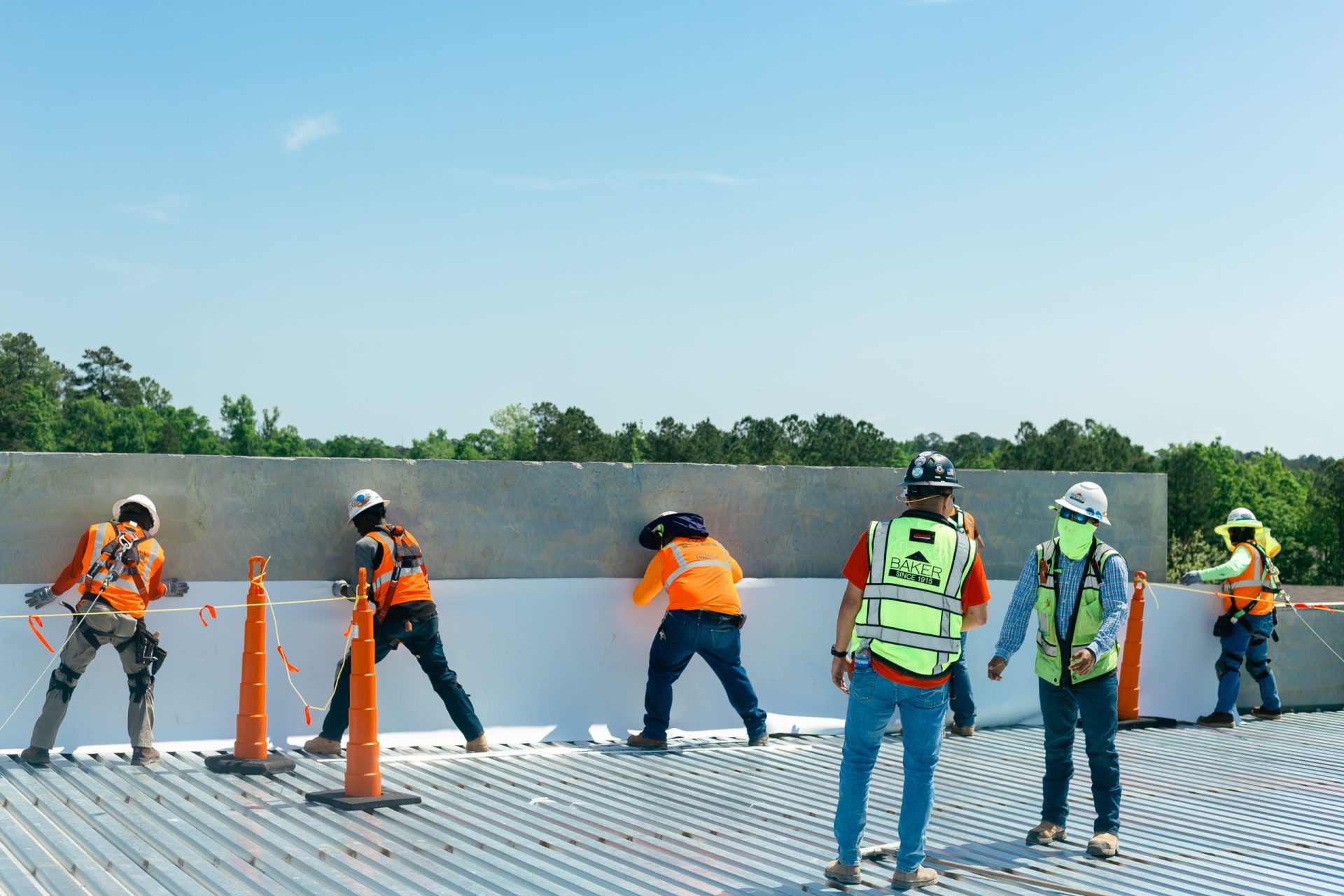
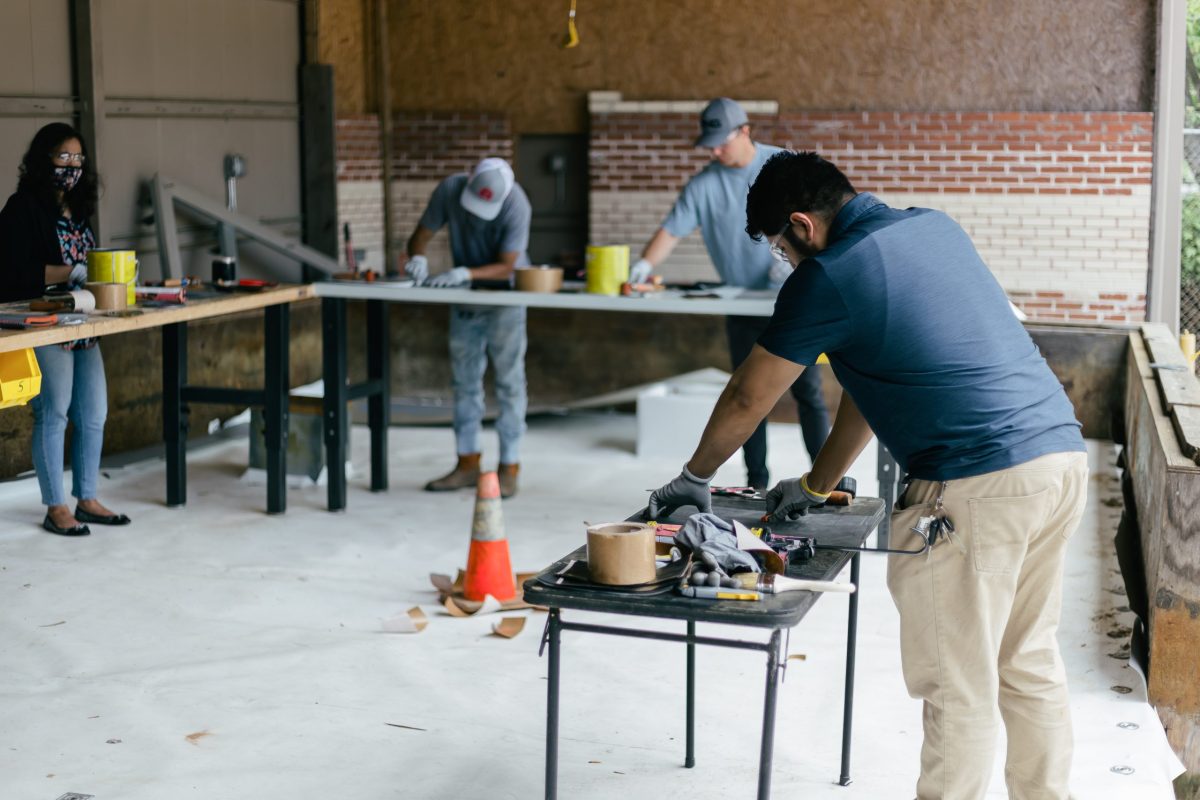
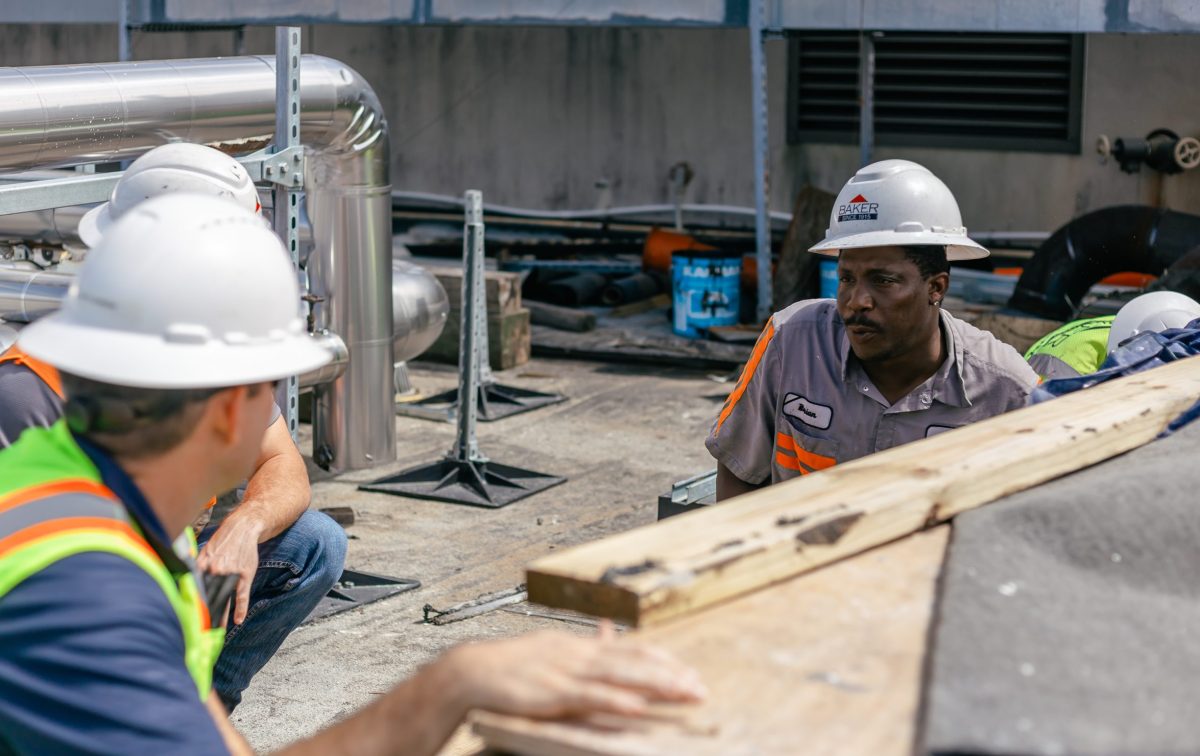
Most roofing companies will put you to work. Baker Roofing will invest in you. Through Baker Academy, we develop people from the ground up, the craft, the safety standards, and the skills to grow. And as a 100% employee-owned company, the career you build here builds equity in something real. This isn’t just a place to work. It’s a place to own.
Most companies hire people. We develop them.
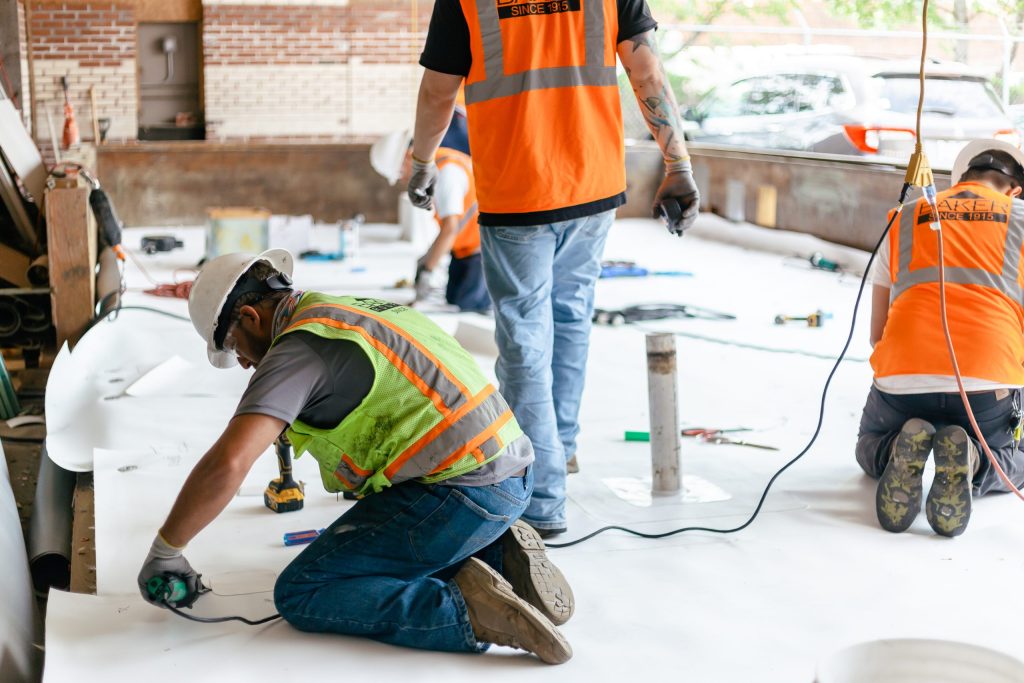
There’s a difference between a company that needs bodies on a roof and a company that invests in the person climbing the ladder. Baker Roofing has always been the second kind. It’s why we built Baker Academy from scratch, real training in the craft, safety, and the standards that define this company. It’s why, in 2025, we became 100% employee-owned.
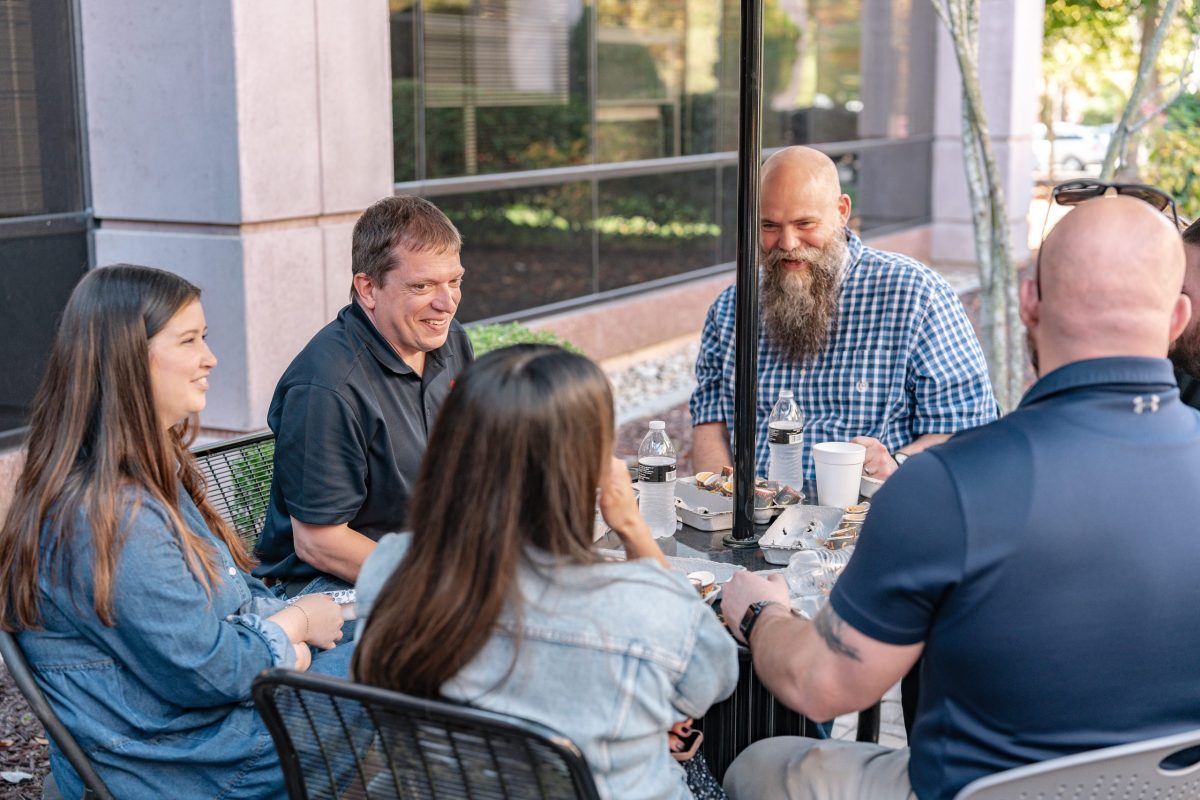
When you join Baker Roofing, you’re not filling a role. You’re starting something. The people who’ve been here the longest will tell you the same thing: this company has a way of growing with you, if you’re willing to grow with it.
For 110 years and across 29 locations in 8 states, Baker Roofing has done good work as a 100% employee-owned company, recognized as one of the Best Companies to Work For in North Carolina.
-
Apply
Apply online by selecting an open position or fill out the general application.
-
Review
We review applicants based on a list of criteria for the position we are hiring.
-
Phone Call
We will schedule a phone call to learn more about you and your qualifications.
-
Interview
We will schedule a time that works for you to come in for an interview with our team.
-
Offer
We make an offer to the candidate we find as the best fit for the role.
Our Benefits

Employee Assistance Program
Corporate Chaplains of America
Community Loan Program
Rebekah Baker Scholarship
401K Program
Full-Time Benefits
Owned by the People Who Do the Work
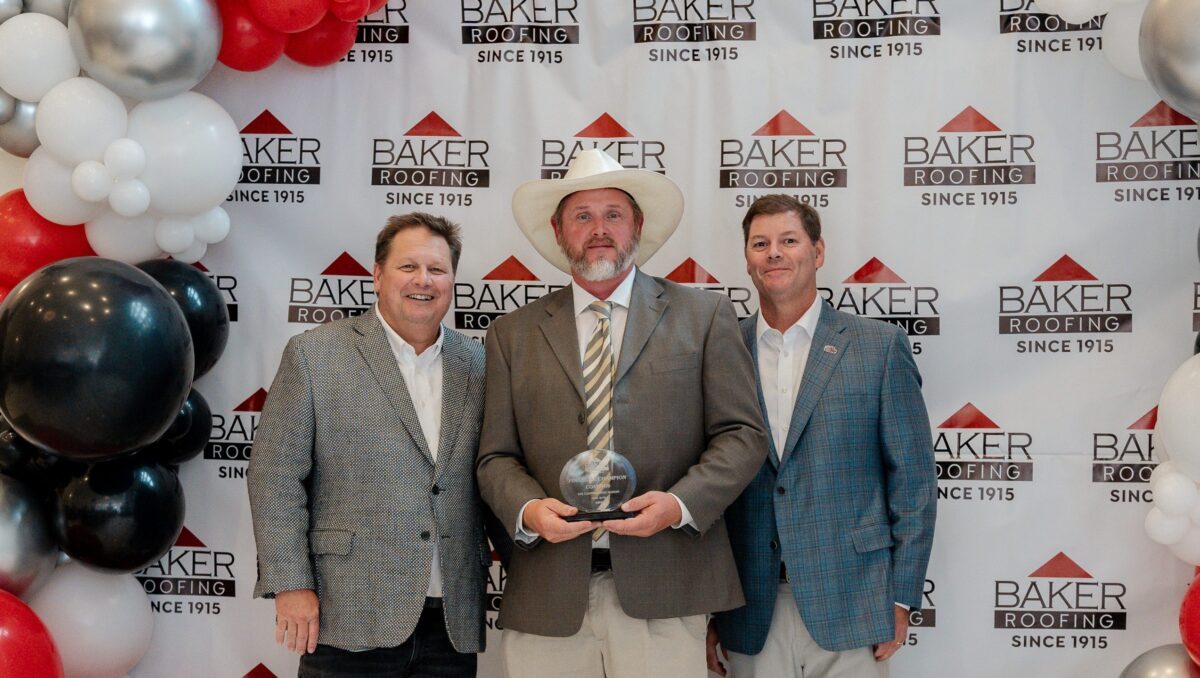
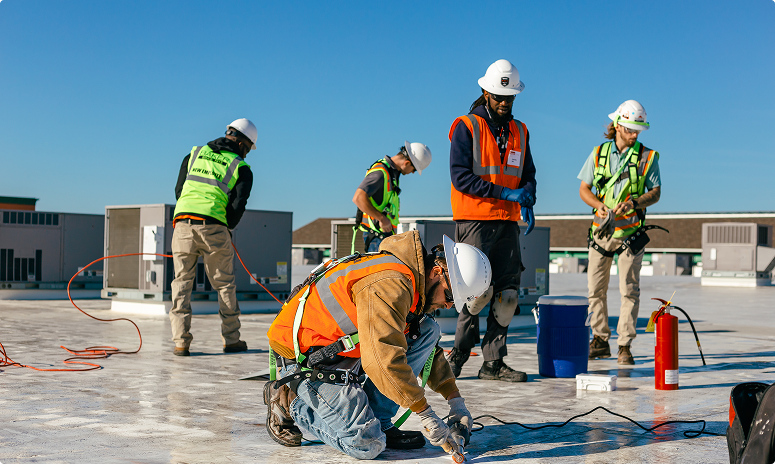
In 2025, Baker Roofing Company became 100% employee-owned through an Employee Stock Ownership Plan (ESOP). This historic transition ensures our 110-year legacy continues with the same commitment to quality, integrity, and service that has defined us since 1915.
Employee ownership means our team members share in the success they help create. It aligns everyone around a common purpose: delivering exceptional work for our customers while building value for ourselves and our families.
Nothing else has changed. We remain independently operated with the same leadership, the same mission, and the same dedication to our customers and communities across the Southeast and Mid-Atlantic.
Independently Operation
Shared Success
Built to Last
Open Positions
-
Commercial Roofing Foreman
Birmingham, AL
Apply Now

-
Construction Manager
Birmingham, AL
Apply Now
-
Commercial Service Sales Representative
Huntsville, AL
Apply Now
-
Construction Manager
Huntsville, AL
Apply Now
-
Commercial Roofer
Jacksonville, FL
Apply Now
-
Commercial Roofer
Orlando, FL
Apply Now
-
Regional Vice President
Orlando, FL
Apply Now
-
Service Helper
Pensacola, FL
Apply Now
-
Regional Vice President
Tampa, FL
Apply Now
-
Commercial Roofer
Savannah, GA
Apply Now
-
Commercial Roofing Foreman
Savannah, GA
Apply Now
-
Outside Sales Representative
Savannah, GA
Apply Now
-
Service Sales Representative
Savannah, GA
Apply Now
-
VP of Sales
Apex, NC
Apply Now
-
Residential Project Manager
Asheville, NC
Apply Now
-
Construction Management Training Program
Cary, NC
Apply Now
-
General Application
Cary, NC
Apply Now
-
Outside Sales Representative
Cary, NC
Apply Now
-
Payroll Coordinator
Cary, NC
Apply Now
-
Shingle Project Manager
Cary, NC
Apply Now
-
Shingle Project Manager
Cary, NC
Apply Now
-
Steep Slope Foreman
Cary, NC
Apply Now
-
Steep Slope Foreman
Cary, NC
Apply Now
-
SVP of Restoration
Cary, NC
Apply Now
-
Outside Sales Representative
Charlotte, NC
Apply Now
-
Commercial Roofer Production
Greensboro, NC
Apply Now
-
Commercial Roofer Service
Greensboro, NC
Apply Now
-
Commercial Roofing Service Foreman
Greensboro, NC
Apply Now
-
Commercial Roofing Service Foreman
Greensboro, NC
Apply Now
-
Roofing Laborer
Greensboro, NC
Apply Now
-
Commercial Roofer
York, PA
Apply Now
-
Commercial Roofing Foreman
Charleston, SC
Apply Now
-
Residential Project Manager
Charleston, SC
Apply Now
-
Sheet Metal Roofing Laborer
Charleston, SC
Apply Now
-
Waterproofing Foreman
Charleston, SC
Apply Now
-
Waterproofing Laborer
Charleston, SC
Apply Now
-
Roofing Laborer
Duncan, SC
Apply Now
-
Commercial Reroof Sales
Myrtle Beach, SC
Apply Now
-
Commercial Roofer
Myrtle Beach, SC
Apply Now
-
Outside Sales Representative
Myrtle Beach, SC
Apply Now
-
Service Department Head
Myrtle Beach, SC
Apply Now
-
Regional Vice President
Chattanooga, TN
Apply Now
-
Regional Vice President
Nashville, TN
Apply Now
-
Service Sales Representative
Chesapeake, VA
Apply Now
-
Commercial Roofer
Harrisonburg, VA
Apply Now
-
Outside Sales Representative
Virginia Beach, VA
Apply Now
-
Service Department Head
Woodbridge, VA
Apply Now
