As a commercial building owner or manager, ensuring the structural integrity of your property is of utmost importance, particularly when facing the unpredictable nature of stormy weather. Storm damage can lead to costly repairs, business interruptions, and potential safety hazards. That’s why it’s crucial to invest in professional roofing solutions that offer robust protection. In this blog post, we will explore how partnering with a reliable roofing company can help safeguard your commercial building from storm damage.
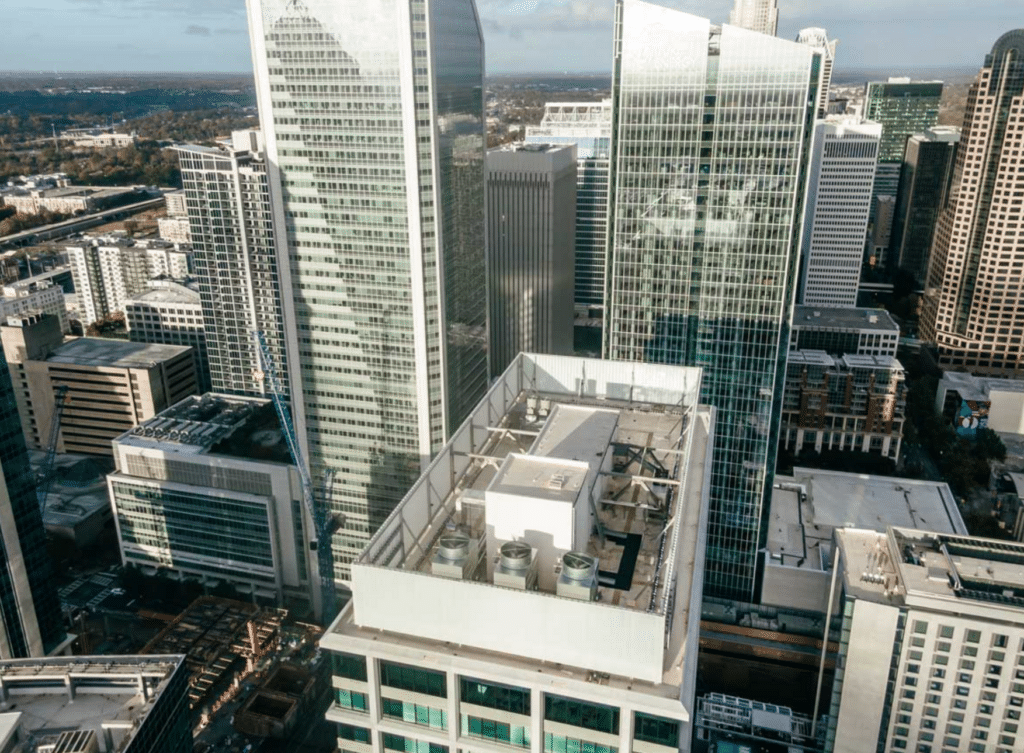
Understanding the Unique Needs of Commercial Buildings: Commercial buildings have distinct roofing requirements compared to residential properties. A professional roofing company specializing in commercial projects understands the unique challenges associated with larger structures, varying roof designs, and the need for durable and weather-resistant materials. They possess the expertise to assess your building’s specific needs and recommend appropriate roofing solutions tailored to your business.
Robust Storm-Resistant Roofing Systems: When it comes to storm damage prevention, choosing the right roofing materials and systems is crucial. Professional roofing companies offer a wide range of storm-resistant options designed to withstand severe weather conditions. These may include impact-resistant shingles, metal roofing, TPO or EPDM membranes, and advanced waterproofing technologies. By investing in a robust roofing system, you can minimize the risk of damage and protect your commercial building’s interior and assets.
Customized Roofing Solutions: Commercial buildings come in various shapes and sizes, each with its own architectural nuances and functional requirements. A reputable roofing company will work closely with you to understand your specific needs and develop customized roofing solutions. Whether it’s a flat roof, sloped roof, or complex design, their expertise ensures that the roofing solution is tailored to your building’s unique characteristics, taking into account factors such as drainage, ventilation, and energy efficiency.
Minimizing Disruptions to Business Operations: Roofing projects can potentially disrupt normal business operations, causing inconvenience and financial loss. However, professional roofing companies prioritize minimizing disruptions to ensure your business can continue running smoothly during the installation or repair process. They employ efficient project management techniques, work during non-peak hours whenever possible, and take necessary precautions to maintain safety and minimize noise and disturbance to occupants.
Superior Customer Service and Quality Workmanship: Partnering with a reputable roofing company means benefiting from their commitment to exceptional customer service and quality workmanship. They prioritize open communication, transparent project timelines, and regular progress updates. By choosing a company with a proven track record of customer satisfaction, you can have peace of mind knowing that your roofing project will be completed with professionalism, attention to detail, and adherence to industry best practices.
Protecting your commercial building from storm damage requires proactive measures and reliable roofing solutions. By partnering with a professional roofing company, you can ensure that your investment is safeguarded against the adverse effects of severe weather. Their expertise in commercial roofing, storm-resistant systems, customized solutions, minimal disruption to business operations, and commitment to superior customer service will provide the necessary support to keep your building safe and secure.
Invest in the expertise of Baker Roofing Company today and fortify your commercial building against storm damage for years to come.