Commercial Roofing
Roofing Systems
Every building is different. Slope, deck type, occupancy, budget, and long-term performance goals all factor into which roofing system is right for your project. We work with the full range of commercial roofing systems and will help you identify the right fit, not just the most convenient one.
Description
Single-Ply Roofing

Energy Performance
Seam Integrity
Repairability
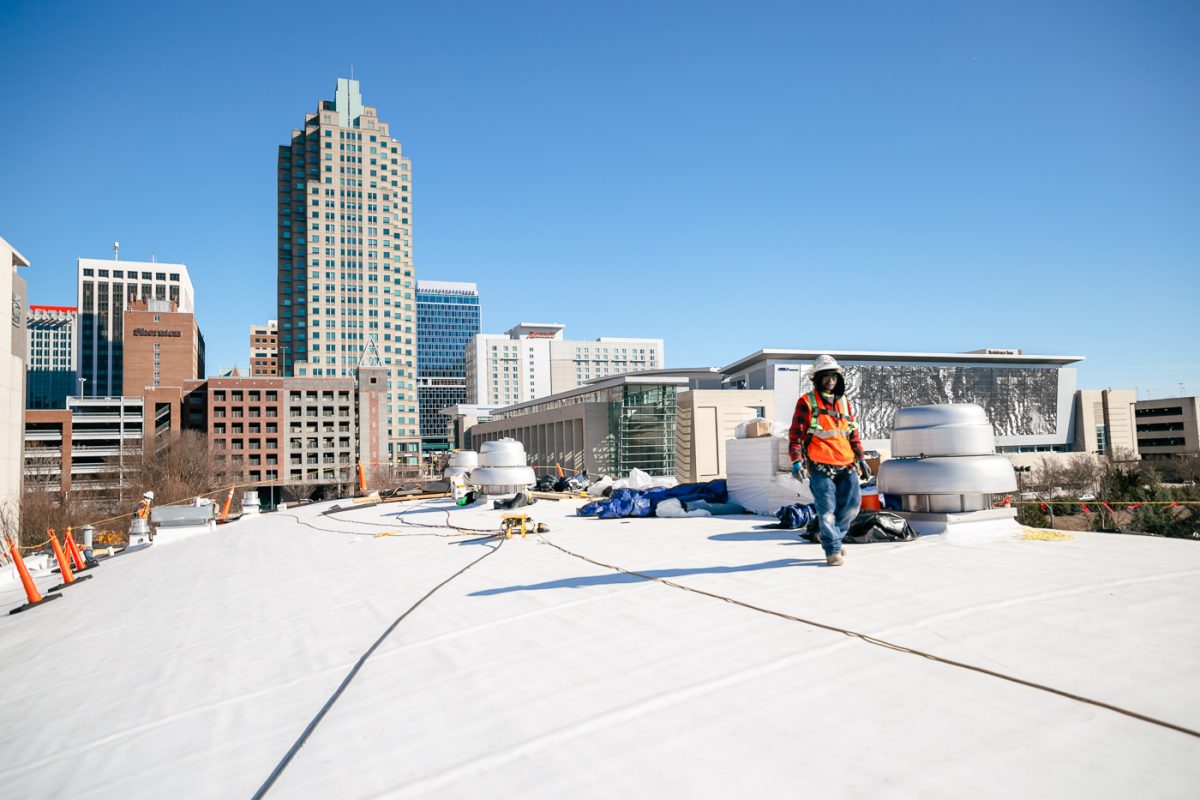
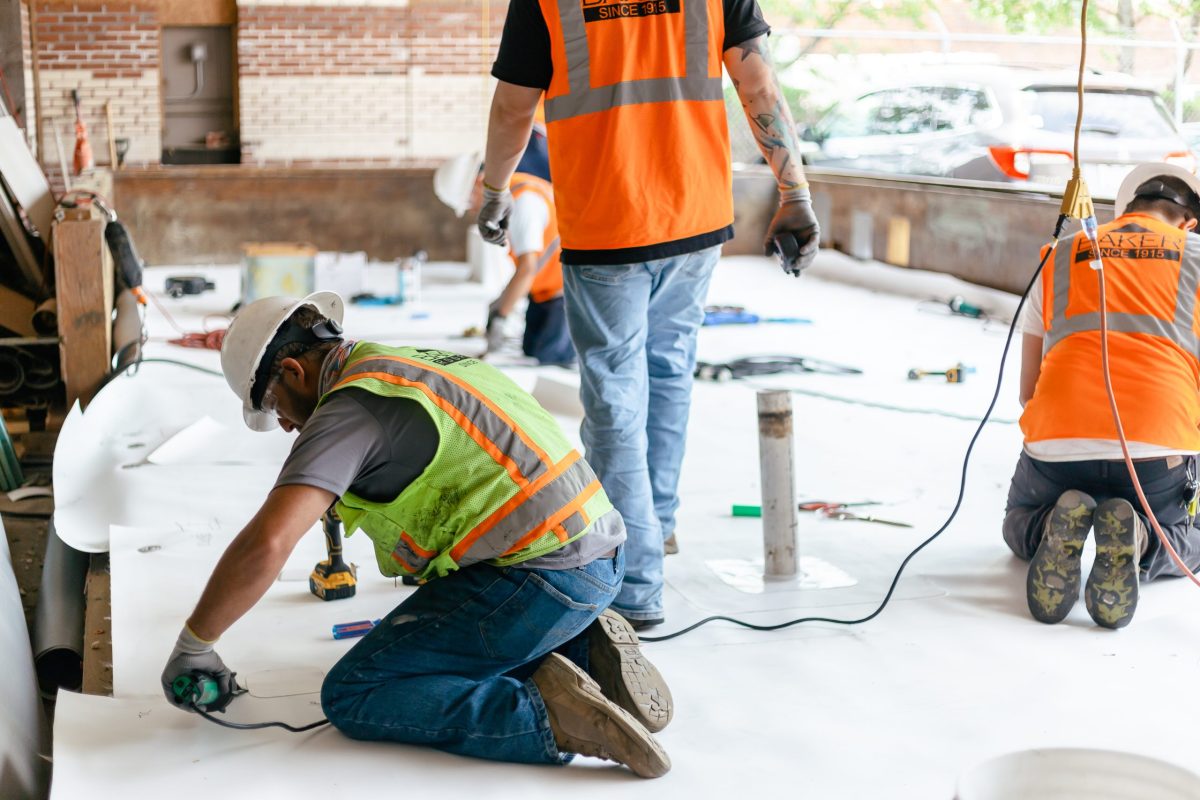
Single-ply membranes are among the most widely specified low-slope roofing systems in commercial construction. Applied in a single layer and attached using fully adhered, mechanically fastened, ballasted, or hybrid methods, the three primary types are TPO, EPDM, and PVC. TPO is the most commonly installed due to its balance of energy performance and heat-weld reliability. PVC is preferred where rooftop grease or chemical exposure is a concern. EPDM has a long track record on mechanically attached and ballasted assemblies and performs well across extreme temperature ranges.
Featured Project
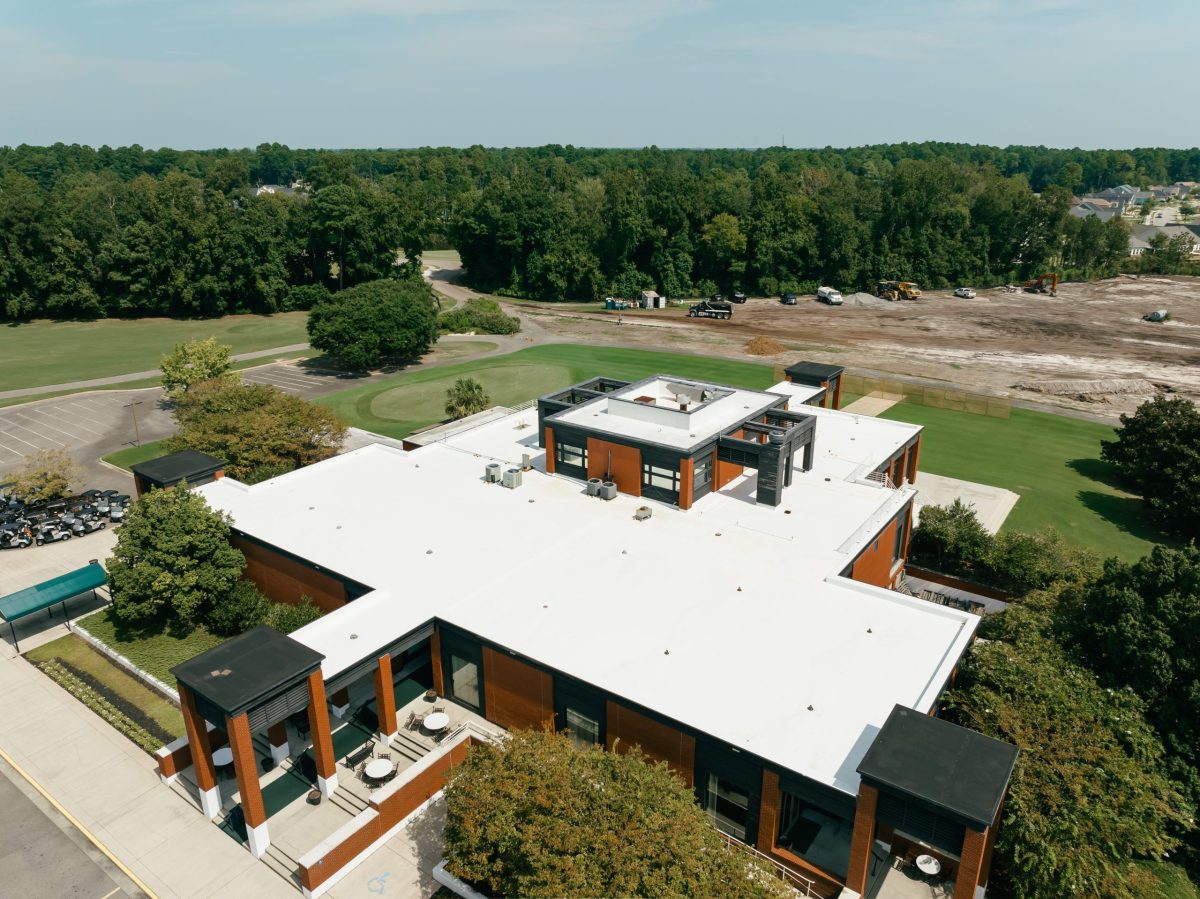
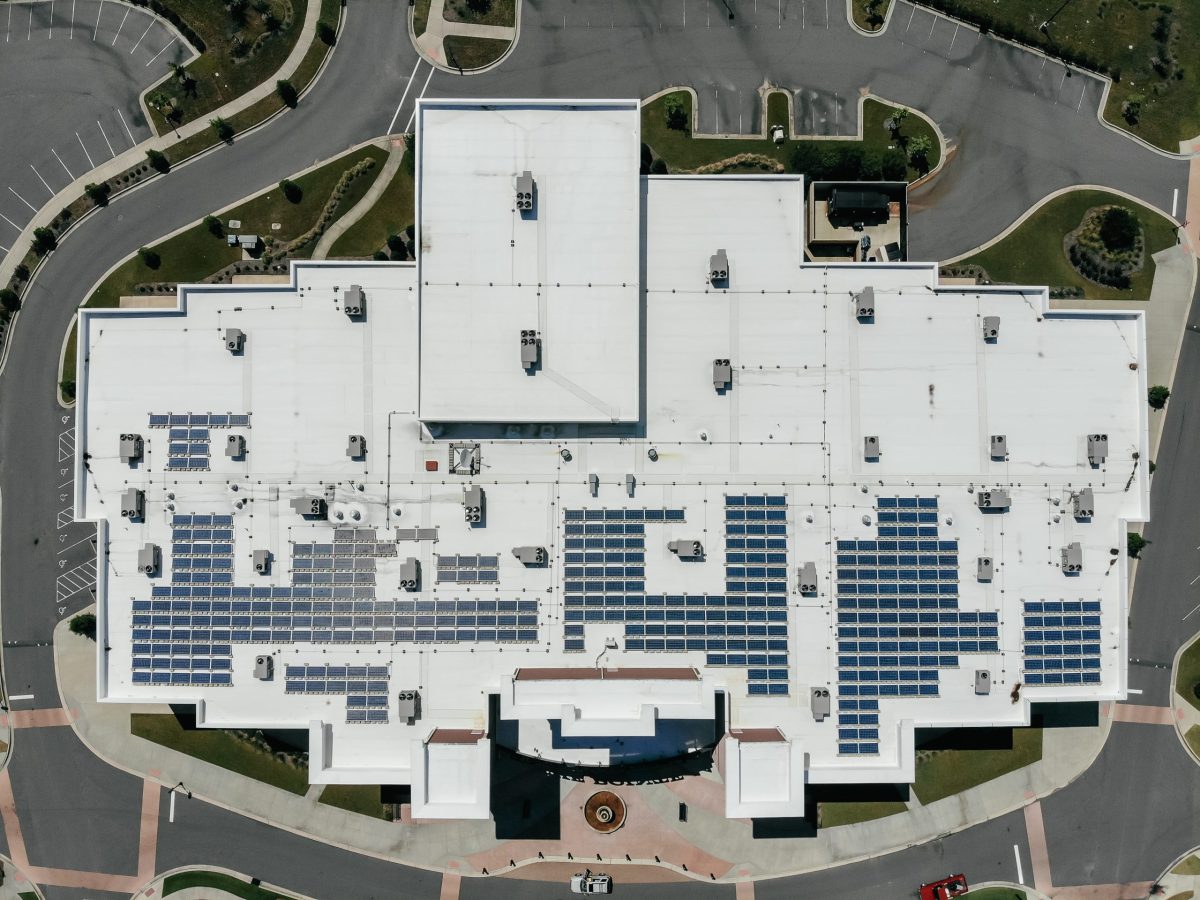
Wild Wing Golf Course | Conway, SC
 Baker Roofing Company of Myrtle Beach
TPO Roof Replacement | Golf Course Clubhouse At Wild Wing Golf Course, our team completed a full TPO roof replacement across a modern multi-level clubhouse, navigating multiple roof elevations and…
Learn Moreabout the Wild Wing Golf Course | Conway, SC projectDescription
MODIFIED BITUMEN ROOFING
Built-In Redundancy
UV and Weather Resistance
Installation Flexibility
Modified bitumen is an asphalt-based low-slope system where standard roofing asphalt is modified with either SBS or APP polymers, then reinforced with fiberglass or polyester matting. SBS modifications increase flexibility and thermal movement capability, making it a strong performer in colder climates. APP modifications improve UV and high-temperature resistance, suiting it well to hot climate applications. Both types are typically installed as a two-ply system and can be torch-applied, cold-process adhered, or self-adhering depending on project conditions.
Featured Project
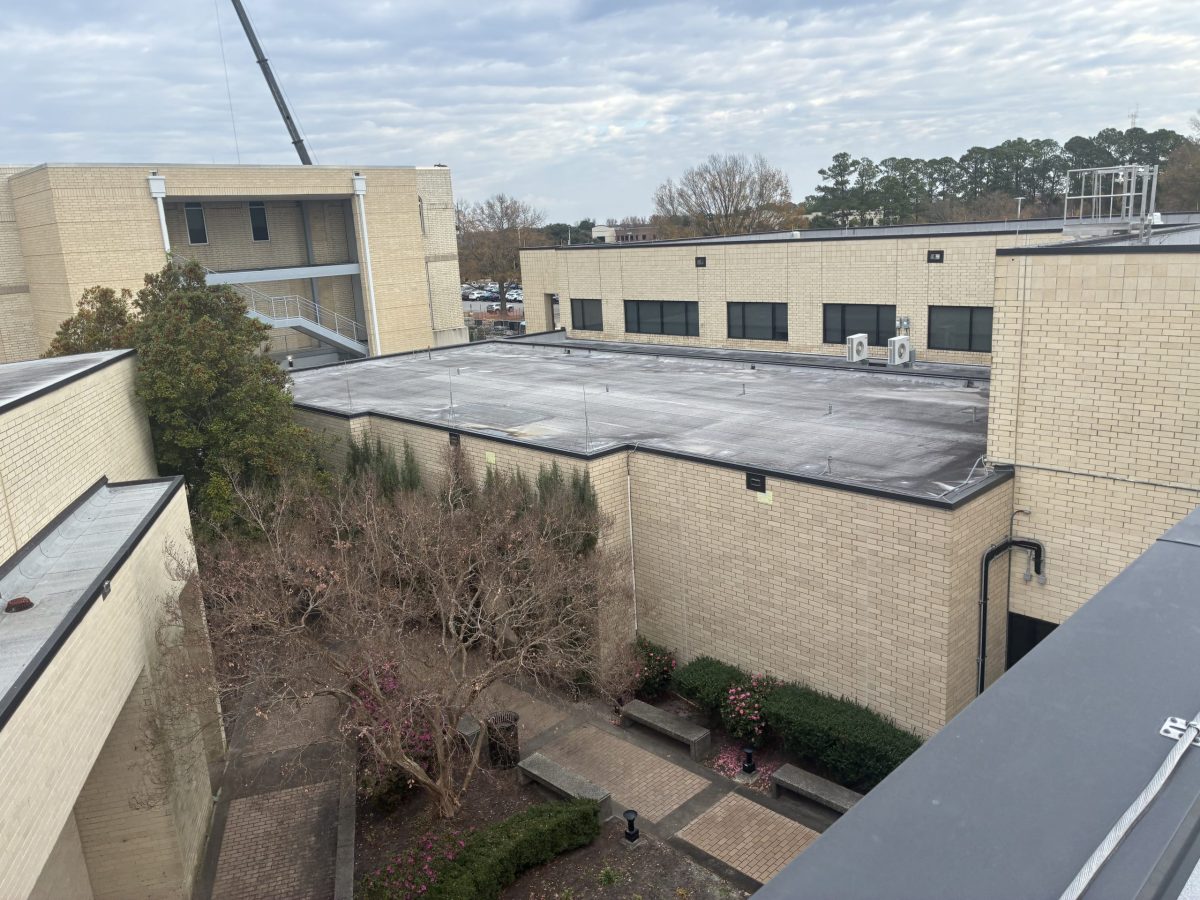
Leo Jenkins Building | Greenville, NC
Baker Roofing Company of Greenville NC
Modified Bitumen Roof Repair | University Campus Building At the Leo Jenkins Building on a university campus, our team repaired 10 square feet of blistered modified bitumen membrane with new…
Learn Moreabout the Leo Jenkins Building | Greenville, NC projectDescription
Steep Slope
Exceptional Service Life
Aesthetic and Historic Value
Thermal Performance
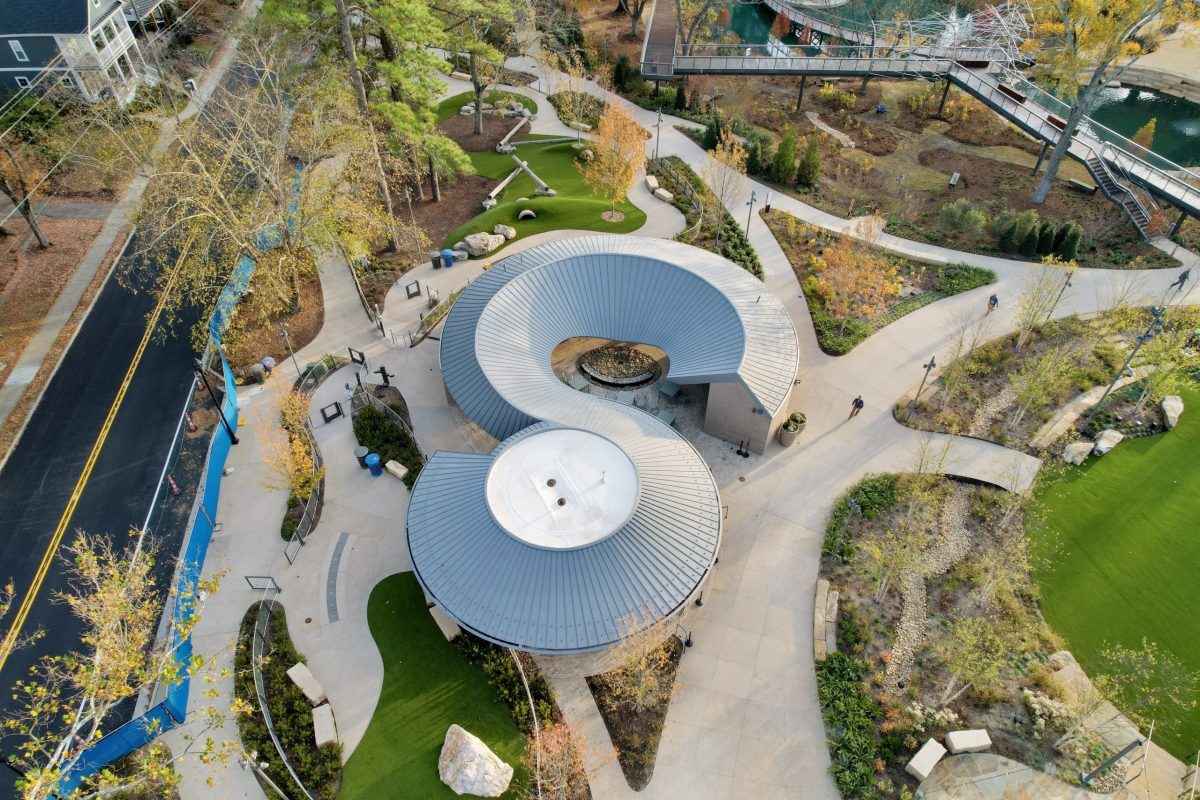
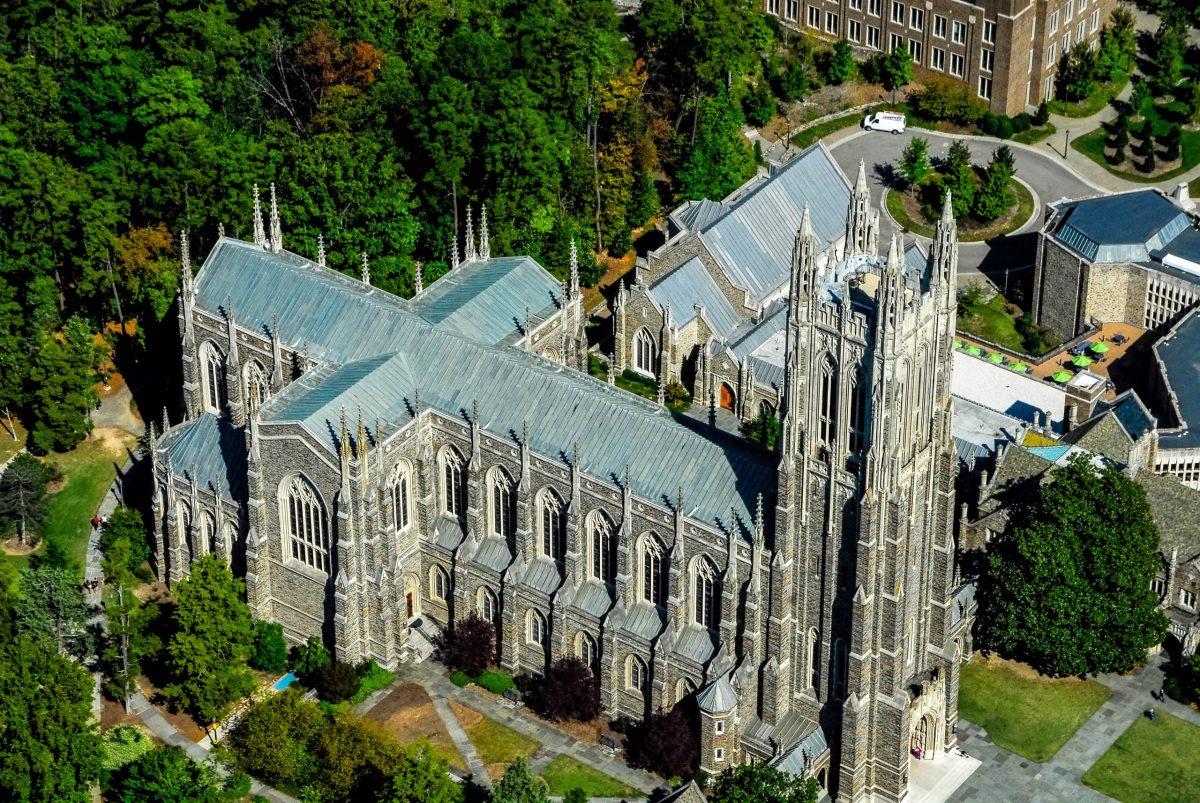
Steep slope roofing covers systems installed on pitches of 3-on-12 or greater, where water sheds by gravity rather than membrane waterproofing. Commercial applications include natural slate, clay tile, cedar shake, and synthetic alternatives that replicate natural materials with improved weight and installation characteristics. On well-installed assemblies, what typically fails over time is the flashing and underlayment rather than the primary roofing material itself. Baker Roofing has built a national reputation for this work on institutional campuses, courthouses, and historic structures across the Southeast.
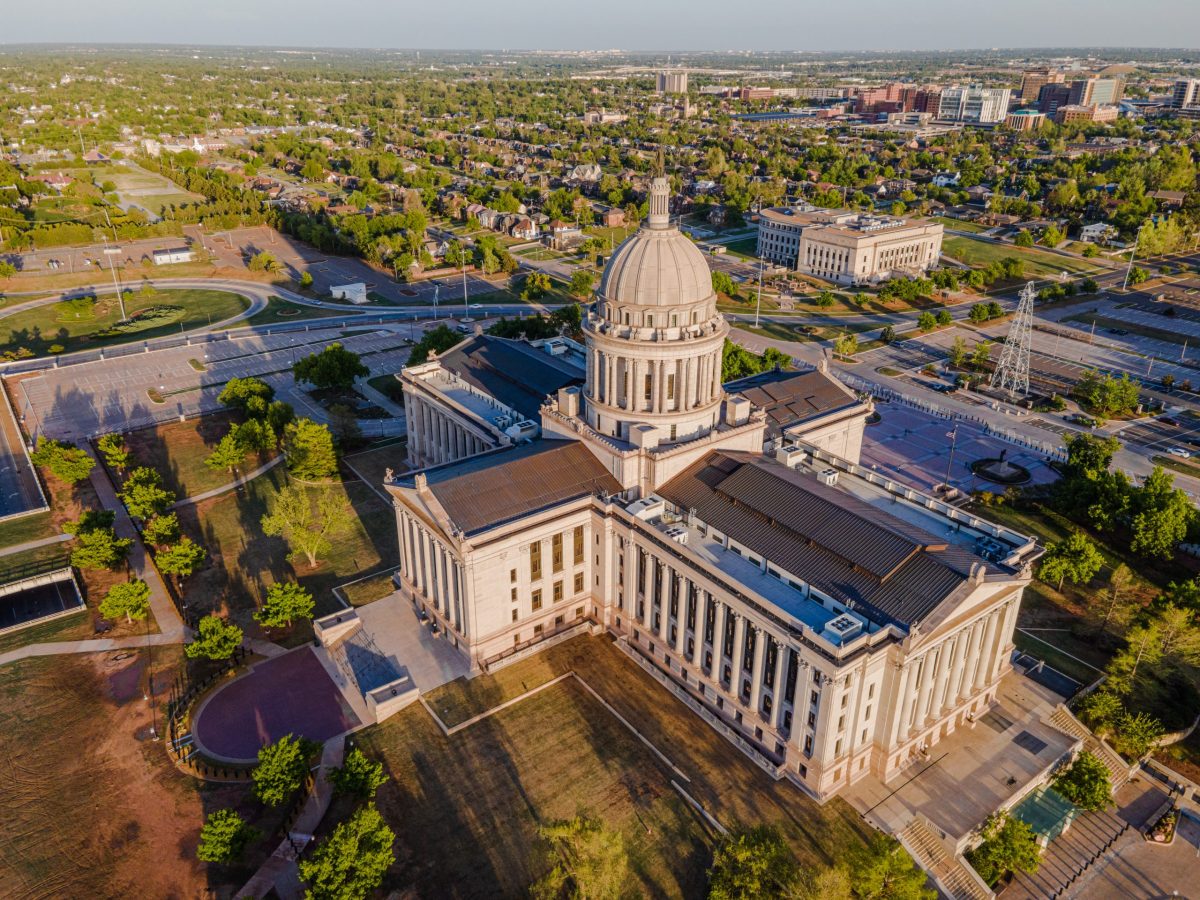
Featured Project
Duke University Chapel | Durham, NC
Baker Roofing Company Corporate Headquarters
Historic Roof Replacement & Preservation | Duke University Chapel Beginning in May 2015, Baker Roofing Company undertook a complex historic preservation and roof replacement project at Duke Chapel, one of…
Learn Moreabout the Duke University Chapel | Durham, NC projectDescription
Low Slope
More information on this roofing service coming soon.
Description
Roof Coatings
Energy Reflectivity
Seamless Application
Extended Service Life on Qualifying Roofs
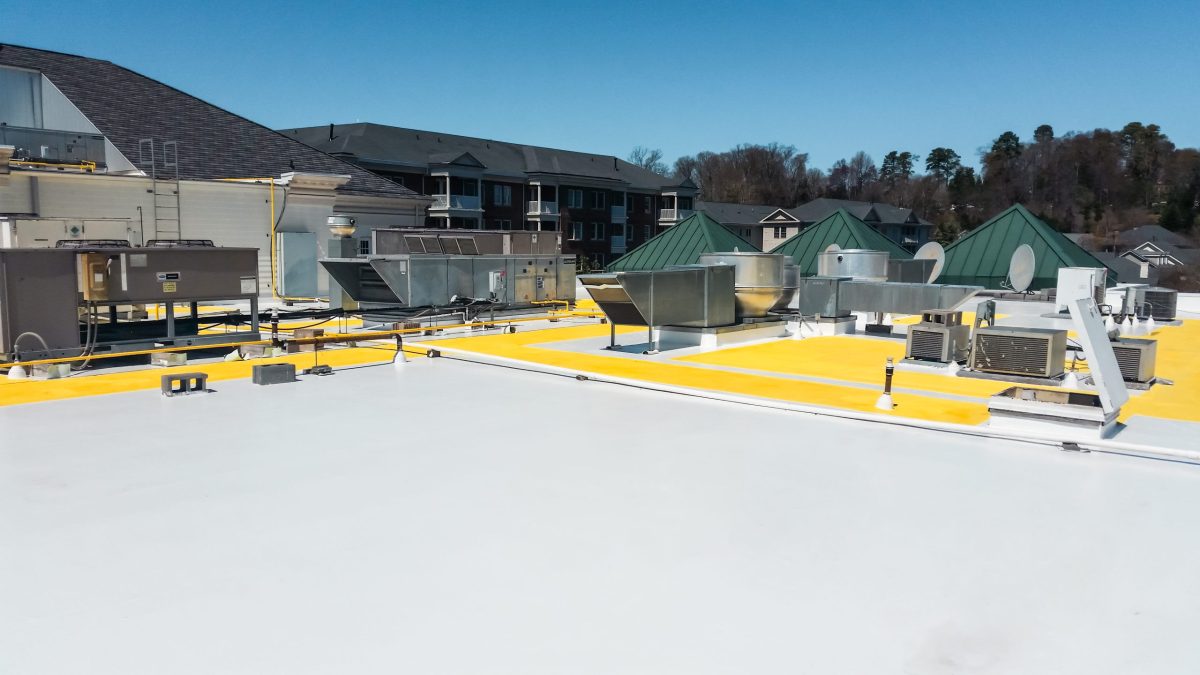
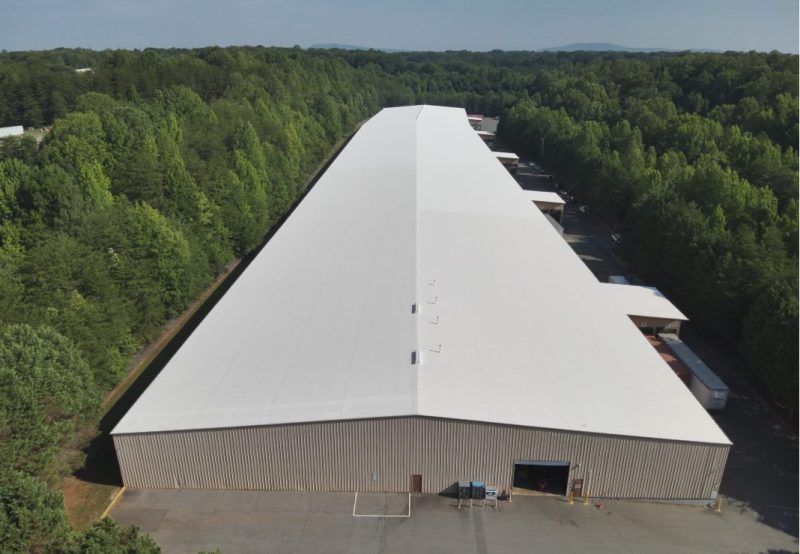
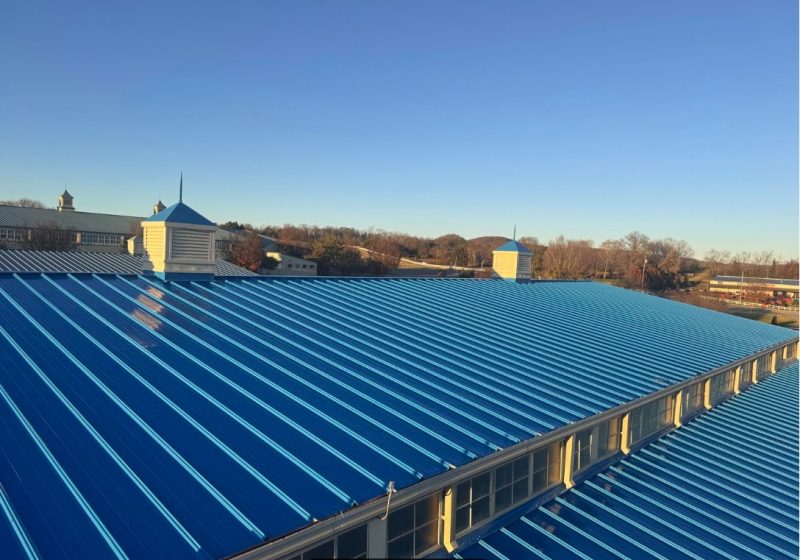
Fluid-applied roof coatings offer a restoration option for qualifying roofs that are structurally sound, dry, and in good overall condition. Common formulations include silicone, acrylic, and polyurethane, each suited to specific membrane types and climate conditions. Most commercial applications use white or light-colored coatings to reflect solar radiation, reducing rooftop surface temperatures and cooling loads, though coatings are available in any color to suit the desired appearance. When properly applied, coatings cure as a monolithic membrane, eliminating the seam-related vulnerabilities common in many roofing systems. The ideal candidate is a roof nearing the end of its service life that needs added protection or improved energy performance to extend its life before it’s too late. Roofs with multiple active leaks, trapped moisture, or structural deficiencies require a different solution.
Featured Projects

Description
BUILT-UP ROOFING (BUR)
Redundant Waterproofing
Proven Long-Term Performance
Thermal Mass
Built-up roofing, commonly called BUR or tar and gravel, is one of the most time-tested commercial systems in the United States with a track record spanning over a century. BUR systems are field-fabricated assemblies of alternating bitumen layers and reinforcing felts, with most commercial specifications calling for three or more plies. The finished surface is protected with aggregate or reflective coatings. It is commonly specified on institutional and government buildings where long service life and documented performance history carry real weight.
Featured Project
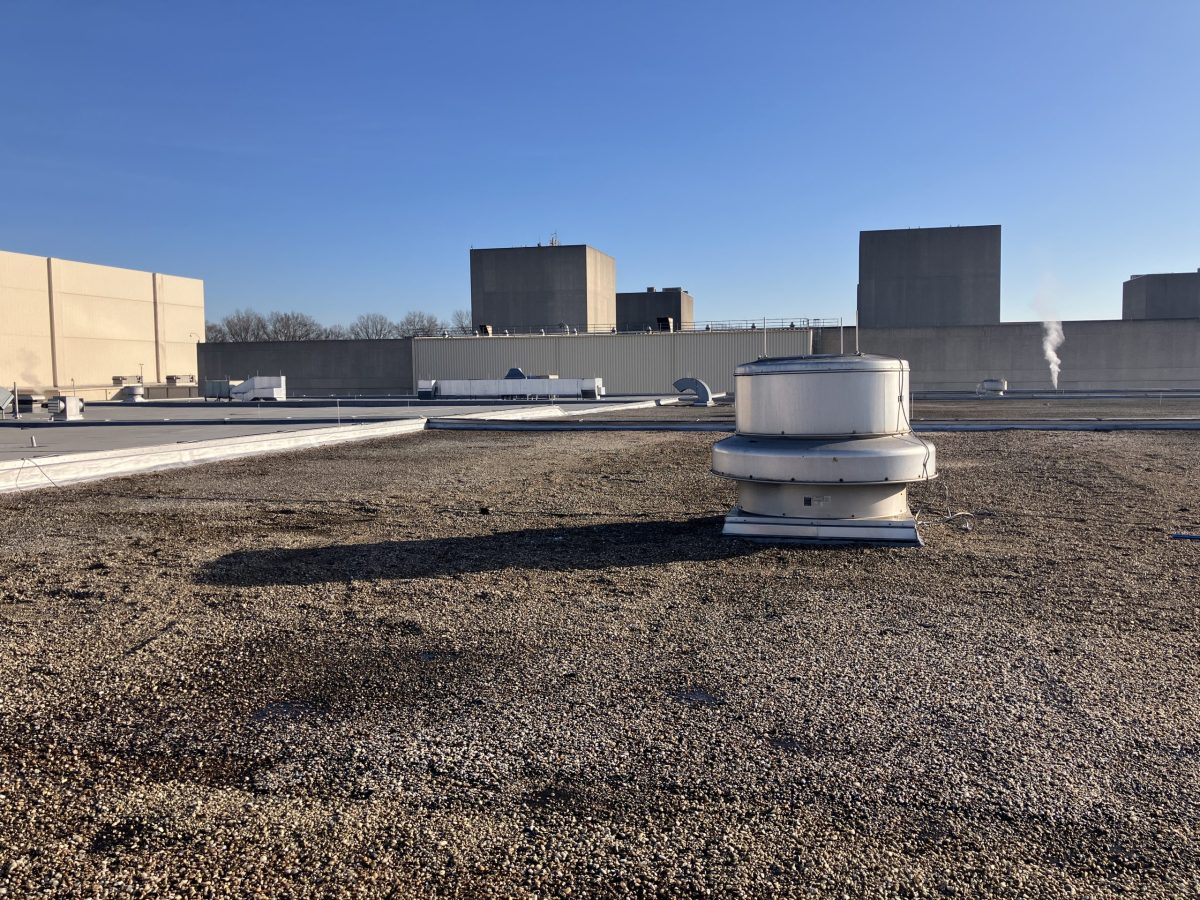
Altria Manufacturing Campus | Richmond, VA
Baker Roofing Company of Richmond
Commercial Roof Repair | Large-Scale Manufacturing CampuS At Altria’s manufacturing campus in Richmond, our team conducted a comprehensive leak investigation that included water testing, repairing open laps with three-course flashing,…
Learn Moreabout the Altria Manufacturing Campus | Richmond, VA projectDescription
COMMERCIAL METAL ROOFING
Longevity
Low Maintenance
Design Flexibility
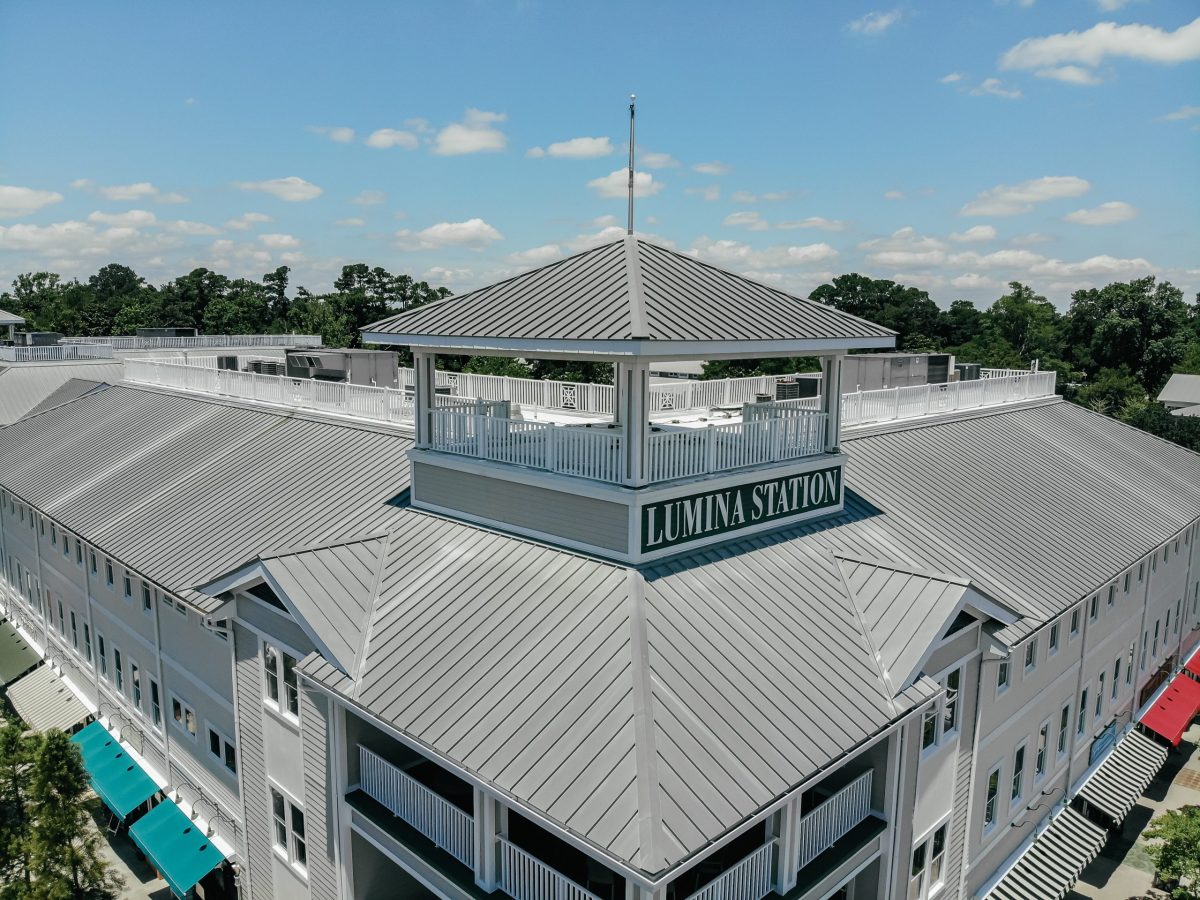
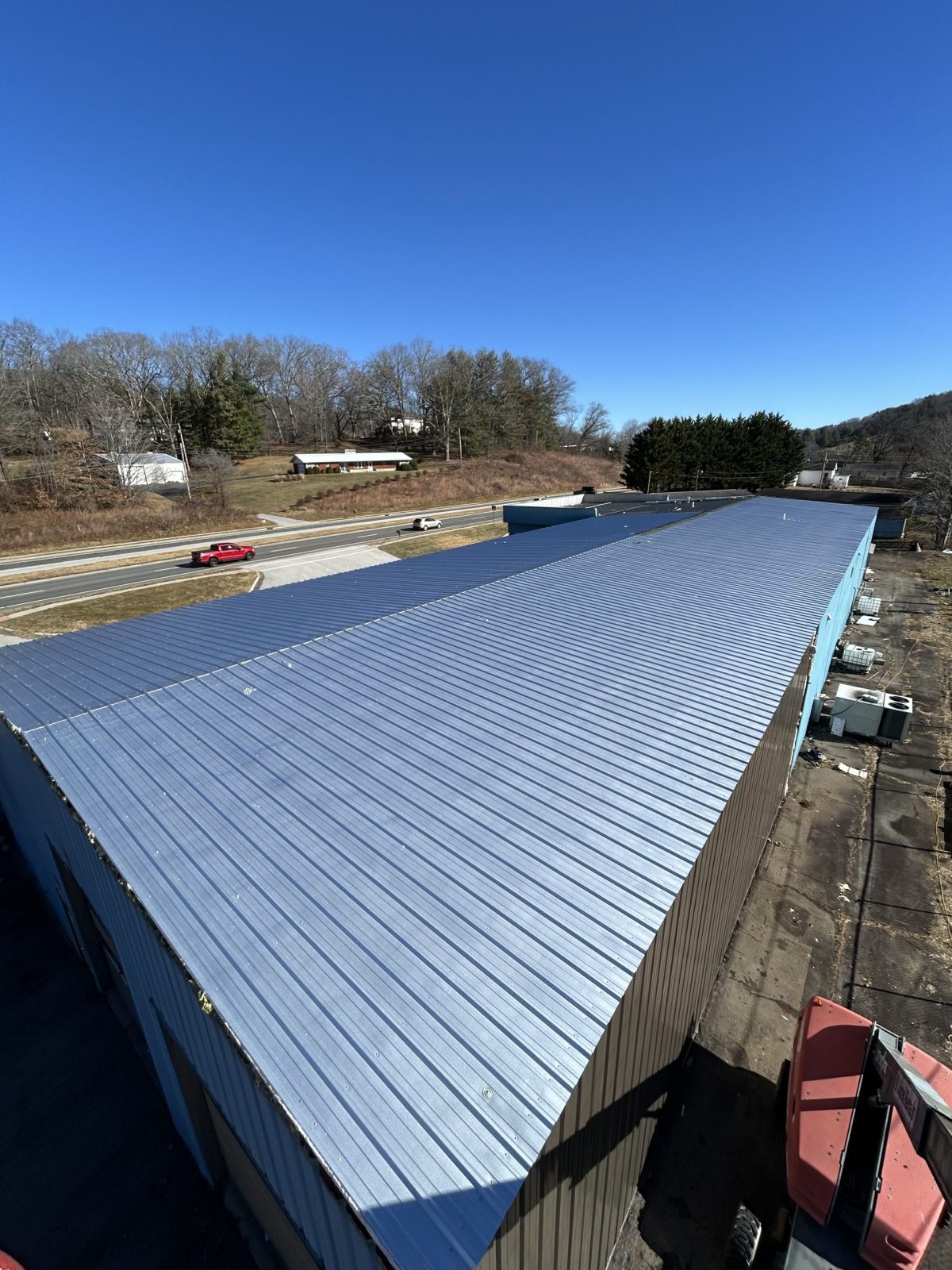
Commercial metal roofing covers a range of panel profiles suited to both steep and low-slope applications. Standing seam systems with concealed fasteners are the standard for high-performance commercial work, allowing thermal expansion and contraction without stressing fasteners. Materials include steel with Galvalume or painted finishes, aluminum, zinc, and copper. A properly installed commercial metal roof typically has a service life of 30 to 50 years. Baker Roofing has fabricated and installed sheet metal for over 110 years and has the capacity to fabricate panels on-site.

Description
COPPER, ZINC & SPECIALTY METAL ROOFING
Exceptional Longevity
Historic Authenticity
Low Ongoing Maintenance
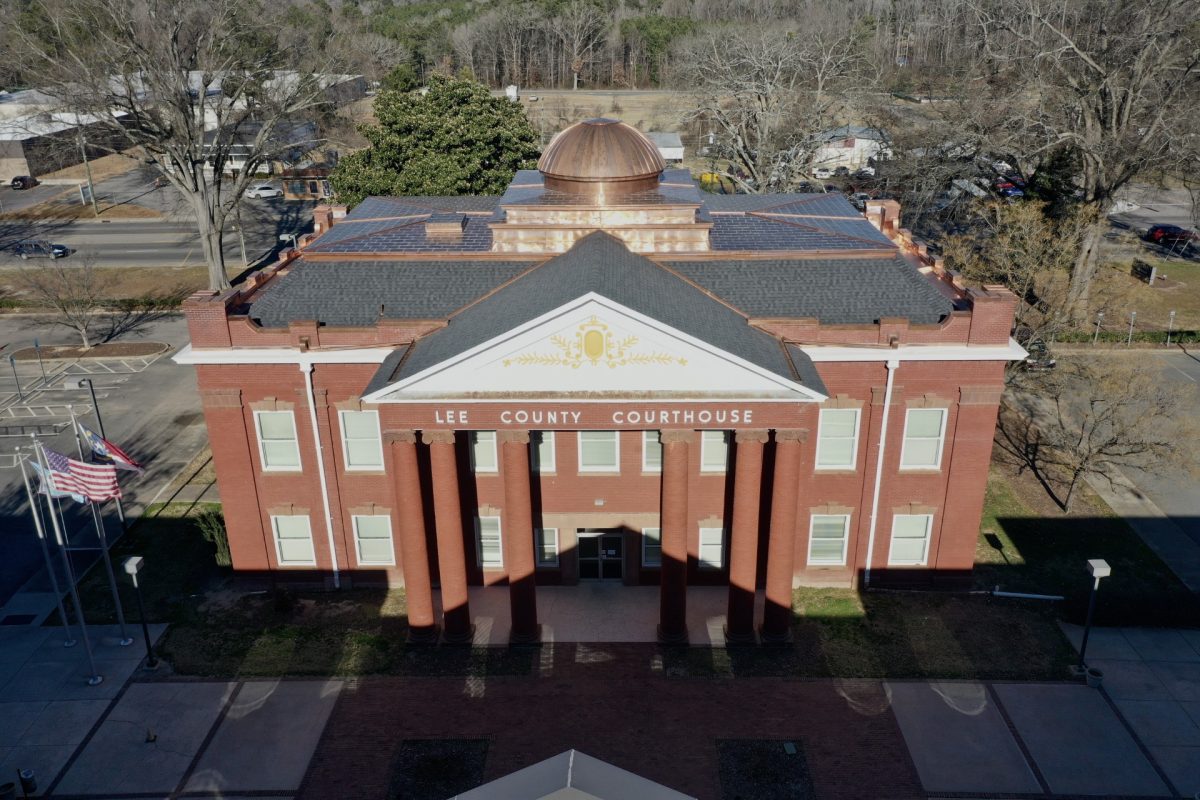
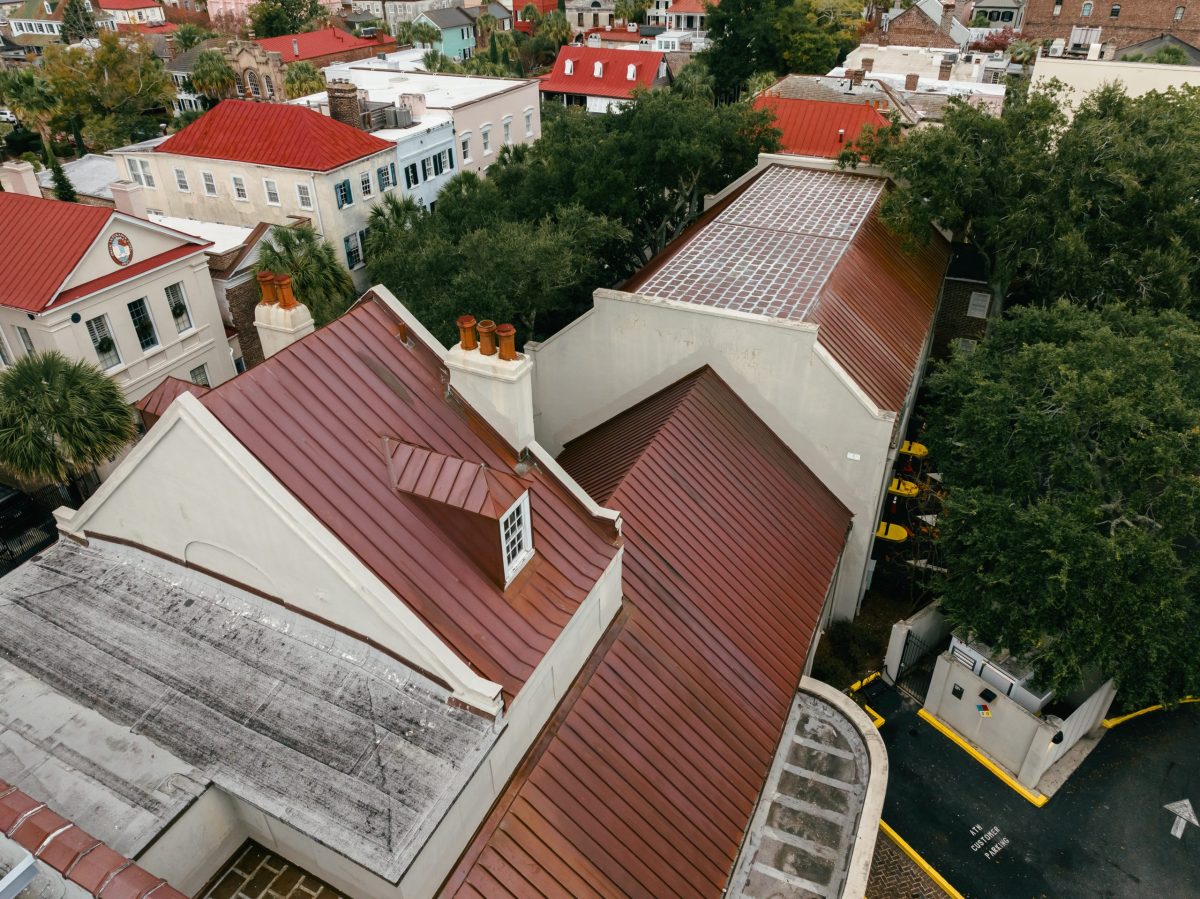
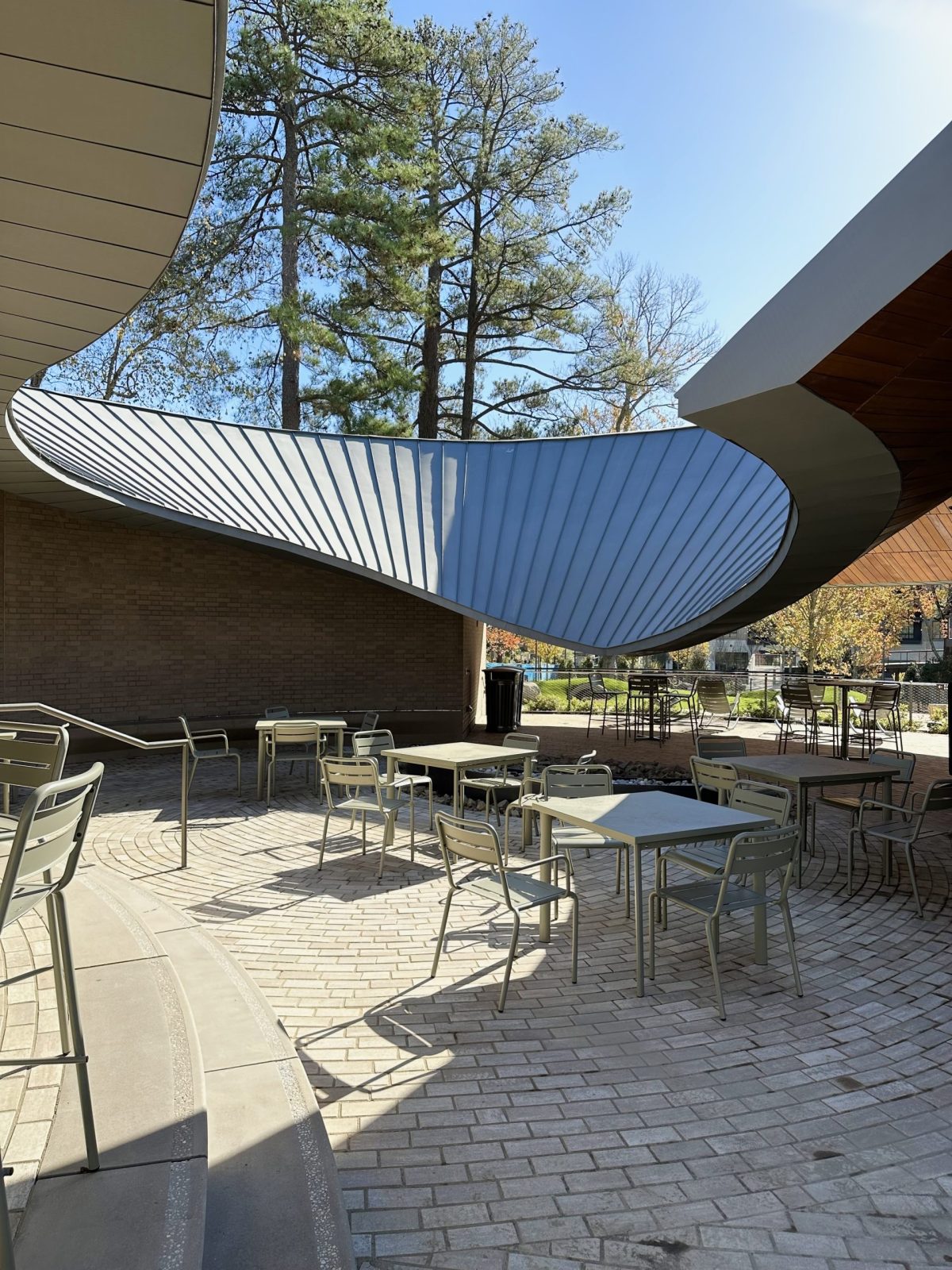
Copper, zinc, and other specialty metals are most common on historic buildings, institutional campuses, and architecturally significant structures where longevity and authenticity matter as much as function. These materials form a natural protective patina over time that slows further corrosion, delivering service lives that can exceed a century with minimal maintenance. Baker Roofing traces its origins to a tin shop founded in 1915, and specialty metalwork has been central to our identity ever since. Our craftsmen have worked on recognized installations across the region, including the Kansas State House and university campuses throughout the Southeast.
Featured Project
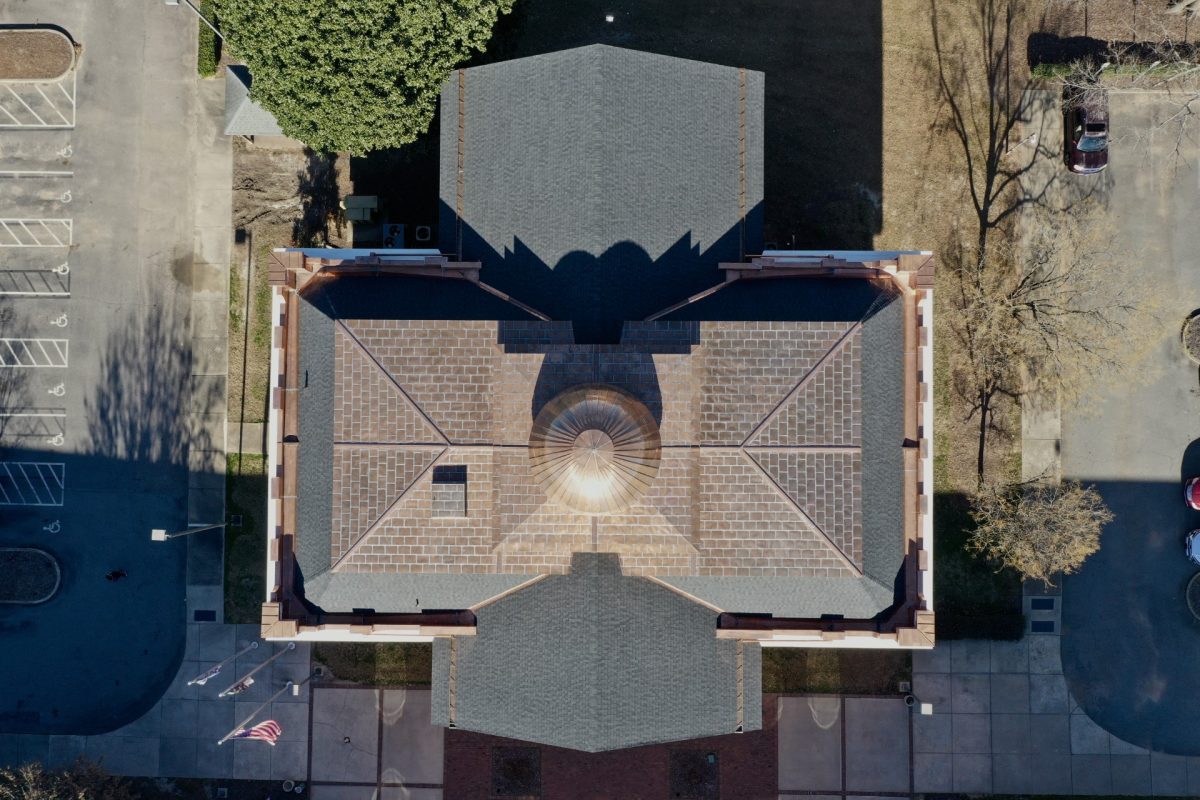
Historic Lee County Courthouse | Sanford, NC
Baker Roofing Company Corporate Headquarters
Historic Roof Restoration | County Courthouse At the historic Lee County Courthouse, our team completed a comprehensive restoration including 20oz copper standing seam roofing on the dome, flat-locked copper panels…
Learn Moreabout the Historic Lee County Courthouse | Sanford, NC projectDescription
Vegetative & Garden Roofing
Extended Membrane Life
Stormwater Management
Building Performance and Space
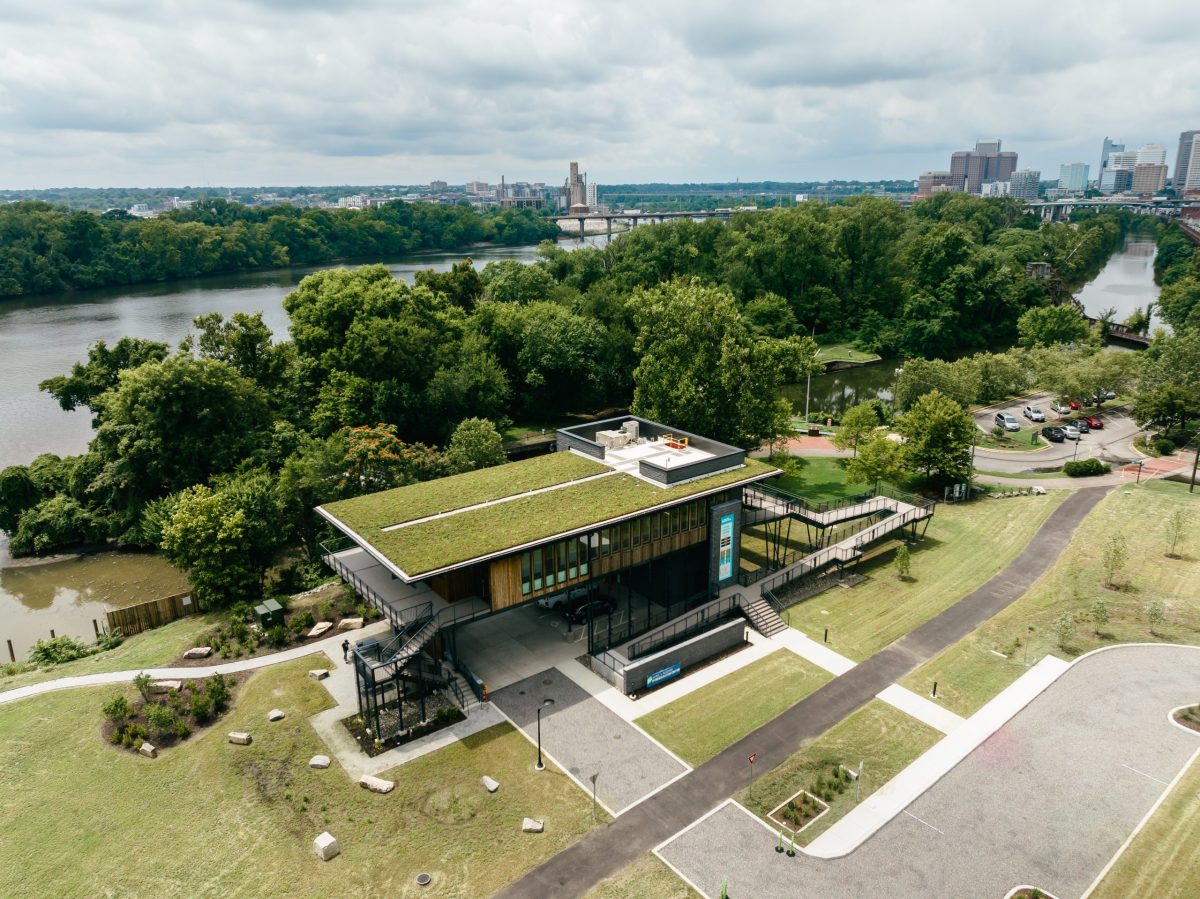
Vegetative and garden roofing, sometimes called green roofing, refers to systems where plant material is installed over a waterproofing assembly incorporating a root barrier, drainage layer, growing media, and vegetation. Systems range from extensive assemblies with lightweight ground cover to intensive systems that support a full range of plantings and function as usable outdoor space. The overburden protects the membrane from UV exposure and thermal cycling, significantly extending service life compared to exposed assemblies. Baker Roofing has experience across a range of vegetative roof applications, including institutional buildings where the roof protects irreplaceable contents below.
Featured Project
FedEx Corporate Campus | Memphis, TN
Baker Roofing Company of Chattanooga
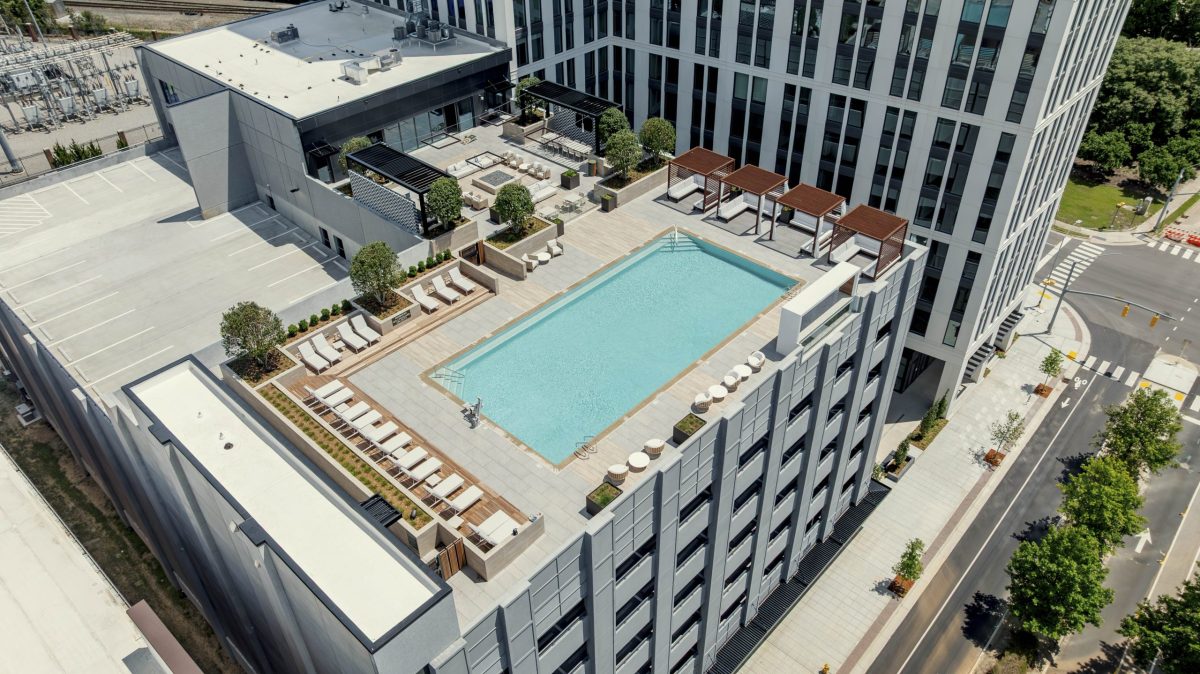
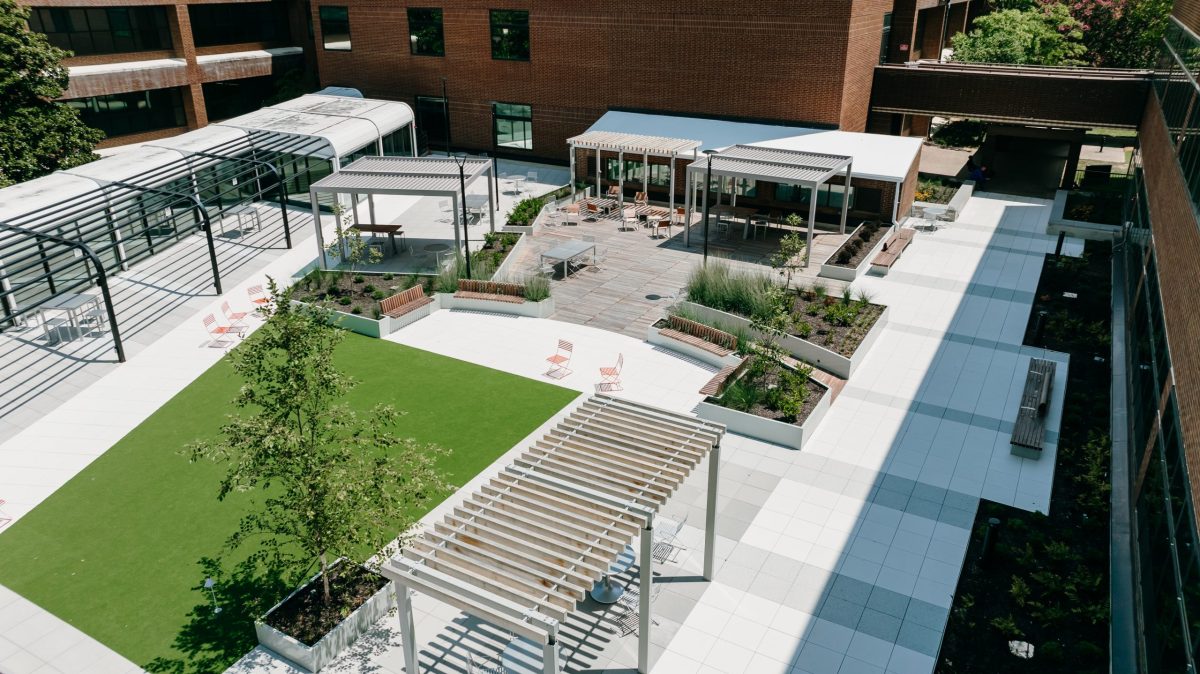
Rooftop Amenity Deck & Waterproofing | Corporate Campus At FedEx’s Memphis campus, our team completed a specialty roof replacement supporting a fully finished rooftop amenity deck, including waterproofing systems beneath…
Learn Moreabout the FedEx Corporate Campus | Memphis, TN projectDescription
PRE-ENGINEERED METAL BUILDINGS
Speed of Construction
Cost Predictability
Adaptability
Pre-engineered metal buildings are structural systems where primary framing, roof, and wall panels are designed, fabricated, and delivered as a coordinated package for field assembly. Because components are pre-fabricated to specification, these buildings erect faster than conventional construction with more predictable costs and fewer field variables. They are also designed with future expansion in mind, accommodating additions and increased spans without requiring full structural redesign. Common applications include warehouses, distribution facilities, retail buildings, and athletic practice facilities.
Featured Project
NC State Close-King Indoor Practice Facility | Raleigh, NC
Baker Roofing Company Corporate Headquarters
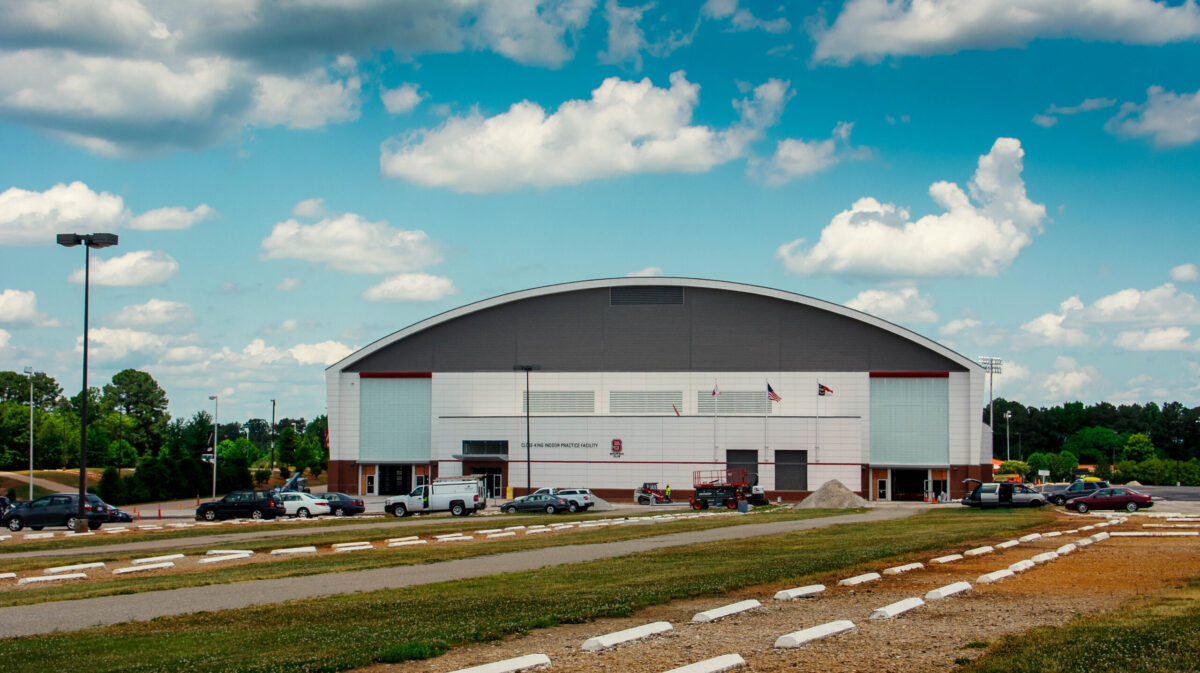
New Construction Metal Roofing | University Indoor Athletic Facility At NC State University’s Close-King Indoor Practice Facility in Raleigh, our team installed the roofing system on this signature curved standing…
Learn Moreabout the NC State Close-King Indoor Practice Facility | Raleigh, NC project