Charleston Employee Spotlight: Zach

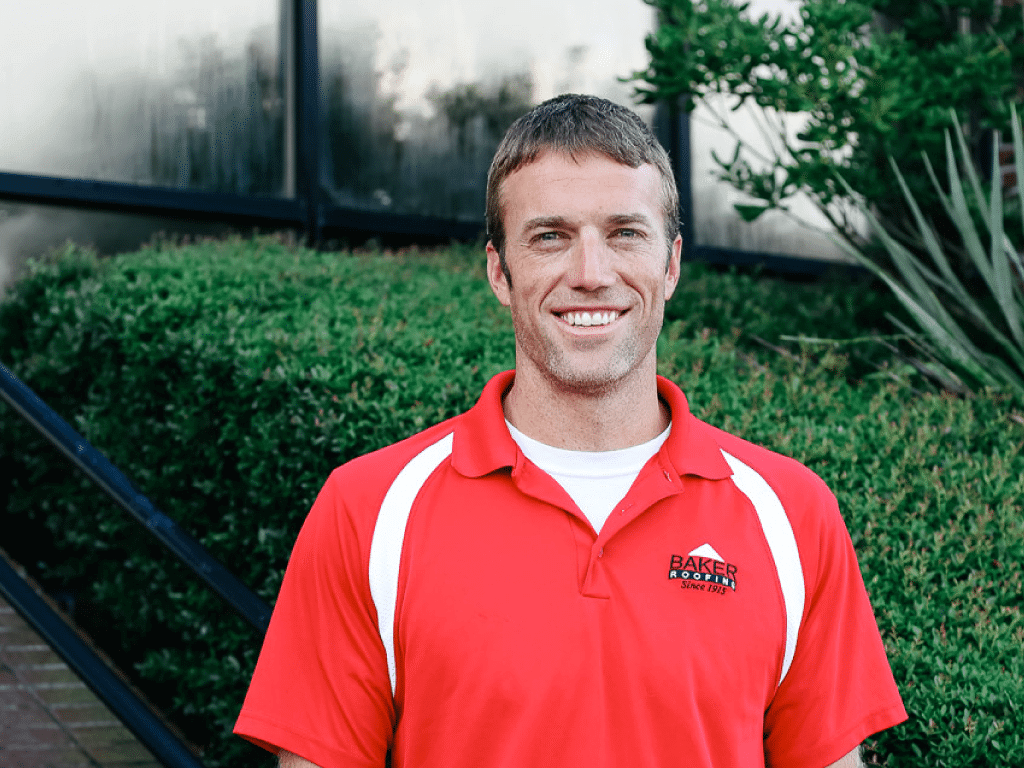
Man in a red polo in front of bushes

With 26 offices across the Southeastern United States, it can sometimes be a challenge to get to know all of our employees. This month, however, we jumped at the chance to catch up with, and get to know one of our wonderful Operations Directors, Zach, in our Charleston branch.

Zach came to Baker in 2013, after working independently in roofing for a number of years. Prior to joining the Baker family, he spent his time running his own roofing company, going to school, learning the ins and outs of roofing, and raising a family in Montana. The long, cold winters of Montana eventually got old, so Zach, his wife, and three children started looking at places with warmer weather, ultimately landing with Baker Roofing Company in Raleigh, North Carolina.

In 2013 Zach began work at the Raleigh office. As a project manager, those who worked with him described him as professional, thorough, and able to exceed customer expectations at every turn. Challenges, such as limiting noise and on-site activity, did not limit or intimidate Zach. He continued to grow within the company, learning as much as he could, and taking part in Baker’s Leadership Program in the fall of 2016.

Throughout the six months of the Leadership Program, Zach worked with his cohort on projects and assignments that took them out of their comfort zone and challenged him to interact differently with the people he worked with. In his cohort, Zach worked closely with and got to know Matt, who is now the General Manager of Baker Roofing of Charleston. When asked about working with Zach throughout the leadership course, Matt told us, “I was impressed with Zach’s core values and his ability to translate those into everything that he does.”

In the Spring of 2017, Zach was offered the opportunity to take on the Operations Manager role in the Charleston office. He now spends his days being the first person at the office to get a jumpstart on the day and completes his office work before his coworkers come in. Zach helps his crews set up and get ready for their workday, attends meetings, or spends the majority of his day managing his crews. He is happy to go beyond his traditional duties, sometimes even escaping the Operations segment to help a coworker or crewmember with a technological or phone issue. On working with Zach in an Operations capacity, his (now manager) Matt told us, “Operationally, Zach has the enormous capacity – he makes the daily challenges associated with construction look effortless, and identifies, plans for, and solves problems with a positive attitude. People naturally want to work with Zach – he is a leader, a mentor, and a respected professional.”

On behalf of Baker Roofing Company, we would like to say thank you to Zach for all of his hard work and dedication. We are proud to have members of the Baker team that lives up to our standards of Always Good Work and consider employees like Zach a family member and friend.
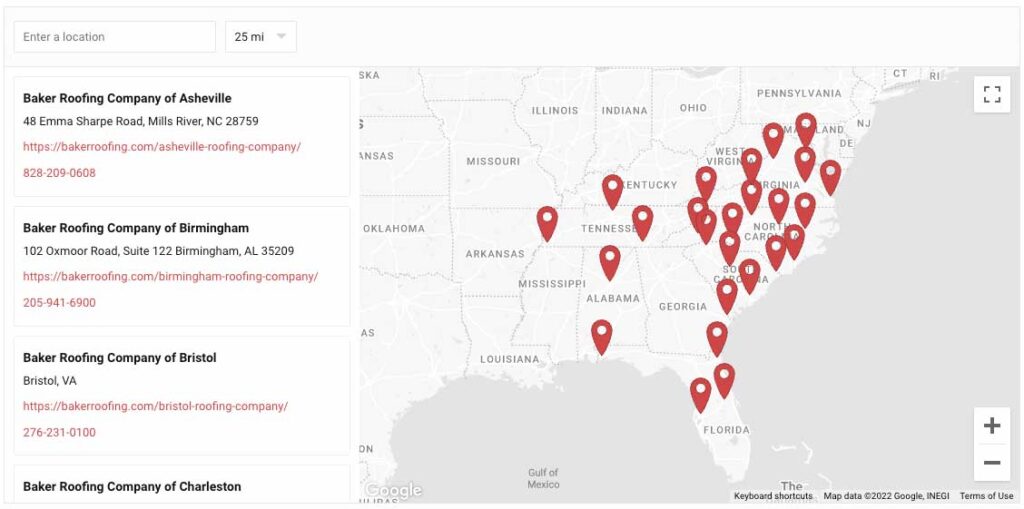
map of locations of roofing company

Waterhead

A box-shaped component that connects scuppers to downspouts, helping control the flow of roof runoff and avoiding unsightly cascades. Waterheads are also called conductor heads or rainheads.

Expansion Joints

Flexible joints built into a roof system that absorb movement from expansion and contraction. They prevent cracking and leaks at connections between different parts of your roof assembly.

Drip Edge

An L-shaped piece of roof edge flashing that helps rainwater flow off the roof and away from the fascia boards. It prevents water from seeping under shingles or other roofing materials, protecting the roof deck from rot.

Capillary Action

The process where water moves into tiny gaps or along narrow spaces, often against gravity, because of surface tension. In roofing, it can draw water into seams or cut edges, leading to hidden leaks and damage.

Membrane

The waterproof layer in a roofing system that protects the building from water intrusion and reflects sunlight, lowering energy costs. It’s usually the top layer of the roofing system and can be made of materials like TPO, PVC, EPDM, or modified bitumen.

Heat welded thermoplastic membrane

A type of white single-ply roofing membrane that’s sealed at the seams using hot air, creating a waterproof layer over the roof. It’s commonly used on flat or low-slope commercial buildings, since these roofs need to most protection from water infiltration.

EPDM (ethylene propylene diene monomer)

A black, gray or white rubber roofing membrane known for its long lifespan. It’s commonly used on flat or low-slope buildings and is typically glued down, mechanically fastened or ballasted, not heat-welded.

PVC (polyvinyl chloride)

A high-end type of heat-welded thermoplastic membrane that stands up well to oils and chemicals. It’s ideal for restaurants or industrial buildings for its extra resistance, though it usually costs more.

TPO (thermoplastic olefin)

A durable type of heat-welded thermoplastic membrane that reflects sunlight and helps reduce cooling costs. It’s a cost-effective option for flat roofs but may not perform as well as PVC in harsh environments.

End cap

A metal cap that seals the open end of gutters, flashings, or panels. End caps prevent water from spilling and protect roof edges from corrosion or leaks.

Soldered joint

A watertight joint created by joining metal roofing or flashing components together. Soldered joints provide long-lasting, durable seals against water infiltration.

Parapet wall

The short wall that extends above the roofline, often around the roof’s edge, to provide safety, block wind, and in some cases help manage water drainage. In roofing, parapet walls are usually capped with coping to keep water from seeping into the wall structure.

Retro drain

A roof drain retrofit designed to fit inside existing piping without major demolition. Retro drains are cost-effective solutions for improving drainage on older roofs.