Author name: Alex Manring

aerial view of downtown charlotte with a re-roof system installed

Safeguard Your Commercial Building from Storm Damage with Professional Roofing Solutions

As a commercial building owner or manager, ensuring the structural integrity of your property is of utmost importance, particularly when facing the unpredictable nature of stormy weather. Storm damage can lead to costly repairs, business interruptions, and potential safety hazards. That’s why it’s crucial to invest in professional roofing solutions that offer robust protection. In

Safeguard Your Commercial Building from Storm Damage with Professional Roofing Solutions Read More »

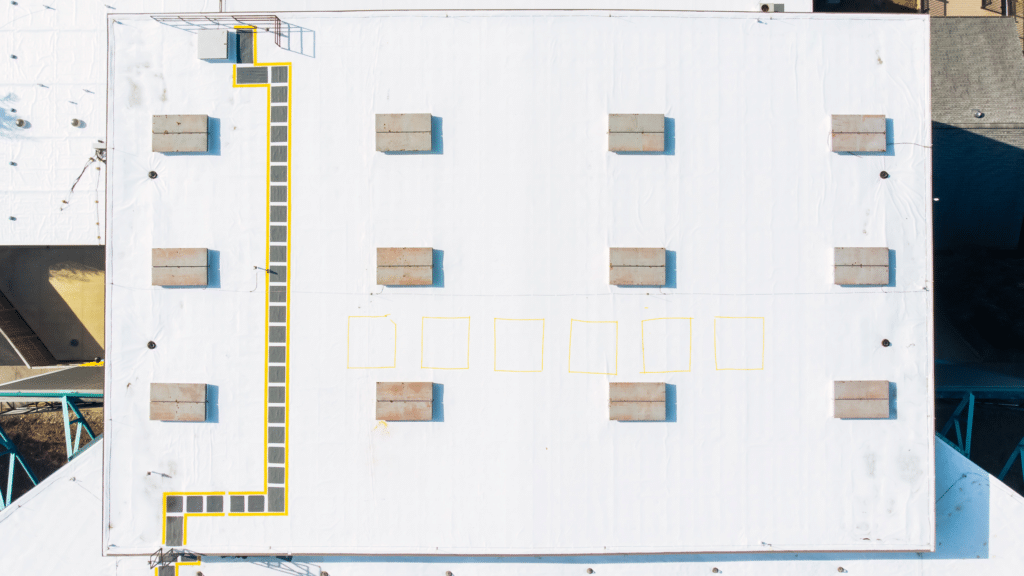
aerial photo straight down of new TPO roof

What does a roofer look for when assessing the condition of a roof? 

Roofer’s Assessment: When seeking professional advice on whether to repair or re-roof your building, it is essential to understand what a roofer looks for during their assessment. Roofing experts have the knowledge and expertise to evaluate the current state of your roof and provide valuable insights. Here are some key factors they consider: Visual Inspection:

What does a roofer look for when assessing the condition of a roof?  Read More »

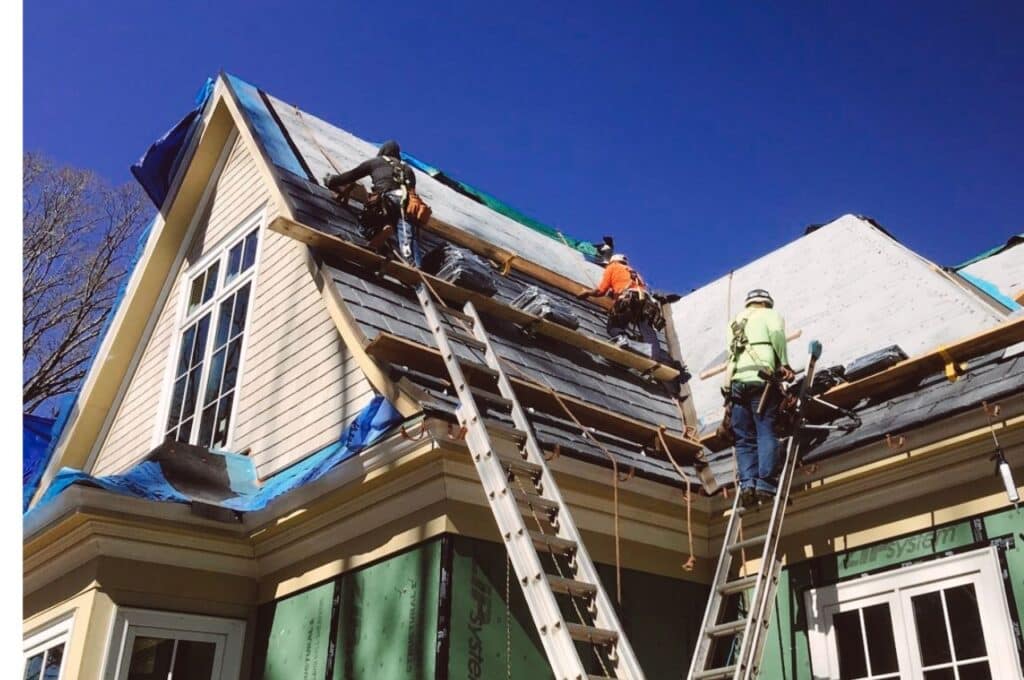
aerial photo of in progress reroof downtown

Making the Right Decision: Repair or Re-Roof? A Guide for Building Decision Makers

As a building decision-maker, one of the crucial choices you may face is whether to repair or re-roof your building. The condition of the roofing membrane and the type of leaks experienced play a significant role in determining the best course of action. In this blog post, we will explore the key factors that should

Making the Right Decision: Repair or Re-Roof? A Guide for Building Decision Makers Read More »

Waterhead

A box-shaped component that connects scuppers to downspouts, helping control the flow of roof runoff and avoiding unsightly cascades. Waterheads are also called conductor heads or rainheads.

Expansion Joints

Flexible joints built into a roof system that absorb movement from expansion and contraction. They prevent cracking and leaks at connections between different parts of your roof assembly.

Drip Edge

An L-shaped piece of roof edge flashing that helps rainwater flow off the roof and away from the fascia boards. It prevents water from seeping under shingles or other roofing materials, protecting the roof deck from rot.

Capillary Action

The process where water moves into tiny gaps or along narrow spaces, often against gravity, because of surface tension. In roofing, it can draw water into seams or cut edges, leading to hidden leaks and damage.

Membrane

The waterproof layer in a roofing system that protects the building from water intrusion and reflects sunlight, lowering energy costs. It’s usually the top layer of the roofing system and can be made of materials like TPO, PVC, EPDM, or modified bitumen.

Heat welded thermoplastic membrane

A type of white single-ply roofing membrane that’s sealed at the seams using hot air, creating a waterproof layer over the roof. It’s commonly used on flat or low-slope commercial buildings, since these roofs need to most protection from water infiltration.

EPDM (ethylene propylene diene monomer)

A black, gray or white rubber roofing membrane known for its long lifespan. It’s commonly used on flat or low-slope buildings and is typically glued down, mechanically fastened or ballasted, not heat-welded.

PVC (polyvinyl chloride)

A high-end type of heat-welded thermoplastic membrane that stands up well to oils and chemicals. It’s ideal for restaurants or industrial buildings for its extra resistance, though it usually costs more.

TPO (thermoplastic olefin)

A durable type of heat-welded thermoplastic membrane that reflects sunlight and helps reduce cooling costs. It’s a cost-effective option for flat roofs but may not perform as well as PVC in harsh environments.

End cap

A metal cap that seals the open end of gutters, flashings, or panels. End caps prevent water from spilling and protect roof edges from corrosion or leaks.

Soldered joint

A watertight joint created by joining metal roofing or flashing components together. Soldered joints provide long-lasting, durable seals against water infiltration.

Parapet wall

The short wall that extends above the roofline, often around the roof’s edge, to provide safety, block wind, and in some cases help manage water drainage. In roofing, parapet walls are usually capped with coping to keep water from seeping into the wall structure.

Retro drain

A roof drain retrofit designed to fit inside existing piping without major demolition. Retro drains are cost-effective solutions for improving drainage on older roofs.