Baker Roofing Visits Ludowici Headquarters

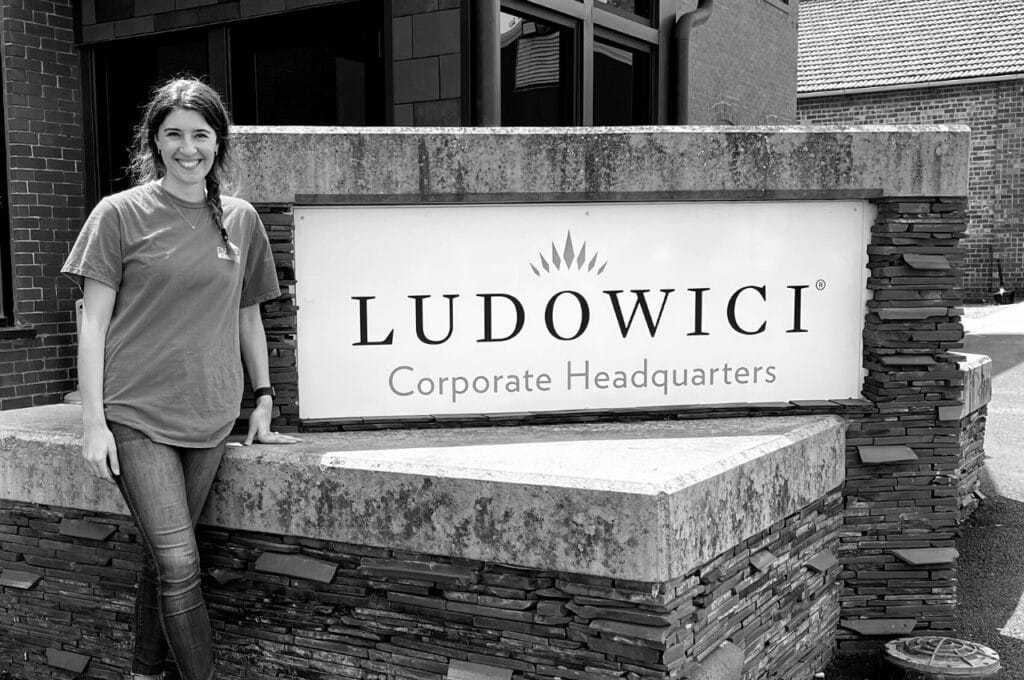
brc employee standing outside the ludowici headquarters with their sign
We often think about the quality and products we are providing to our customers by looking at old processes while aiming to improve them without sacrificing the true value to the consumer. Baker Roofing is committed to always good work. Our good work starts with quality training and materials.

A few weeks ago, our team visited the Ludowici corporate headquarters in Ohio. Ludowici makes terra cotta tile products from clay mined a few miles away from their New Lexington, OH factory. 

We watched as clay was mixed, formed into blocks, and tested for quality. Ludowici has strict standards, and any clay that does not pass the test gets separated into large bins. The rejected clay goes back to be broken down, remixed and retested. The approved clay moves on to the next step.

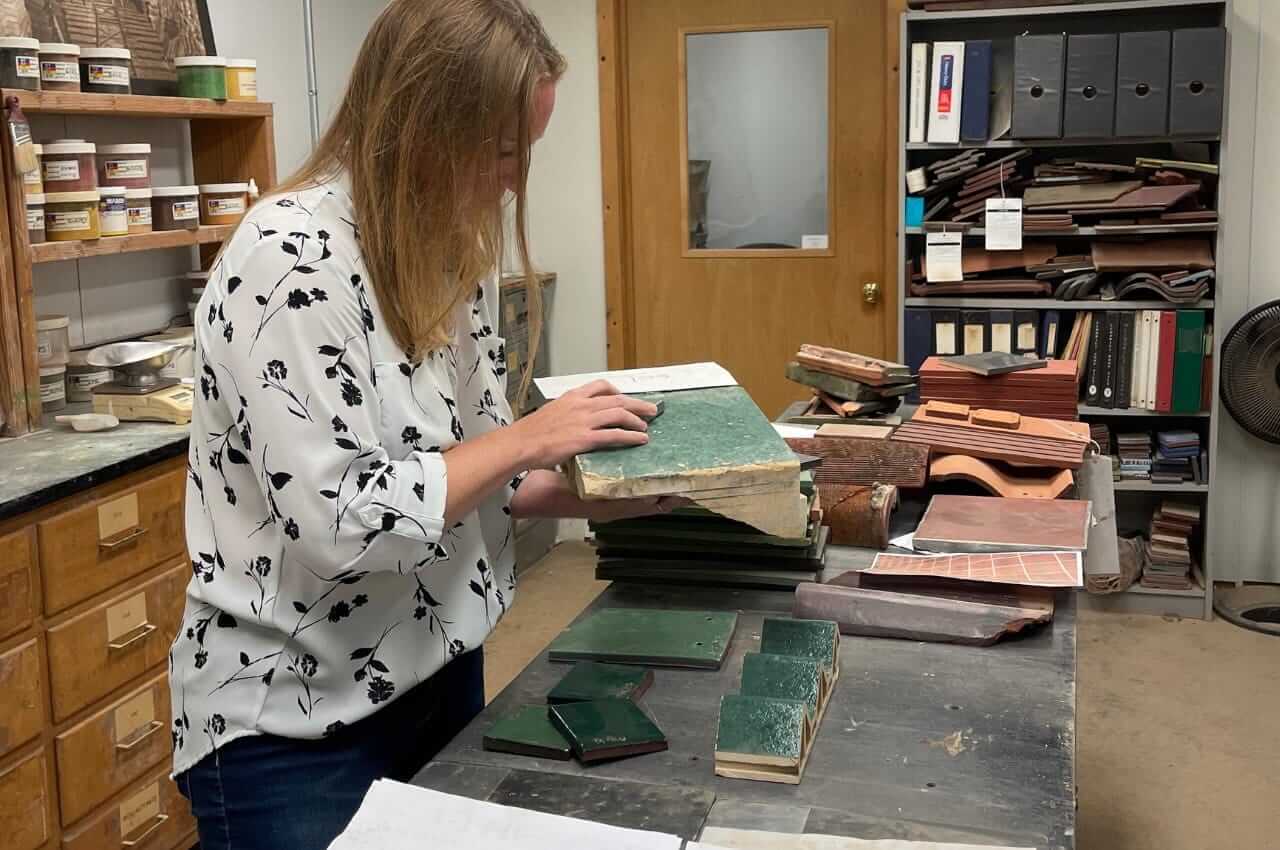
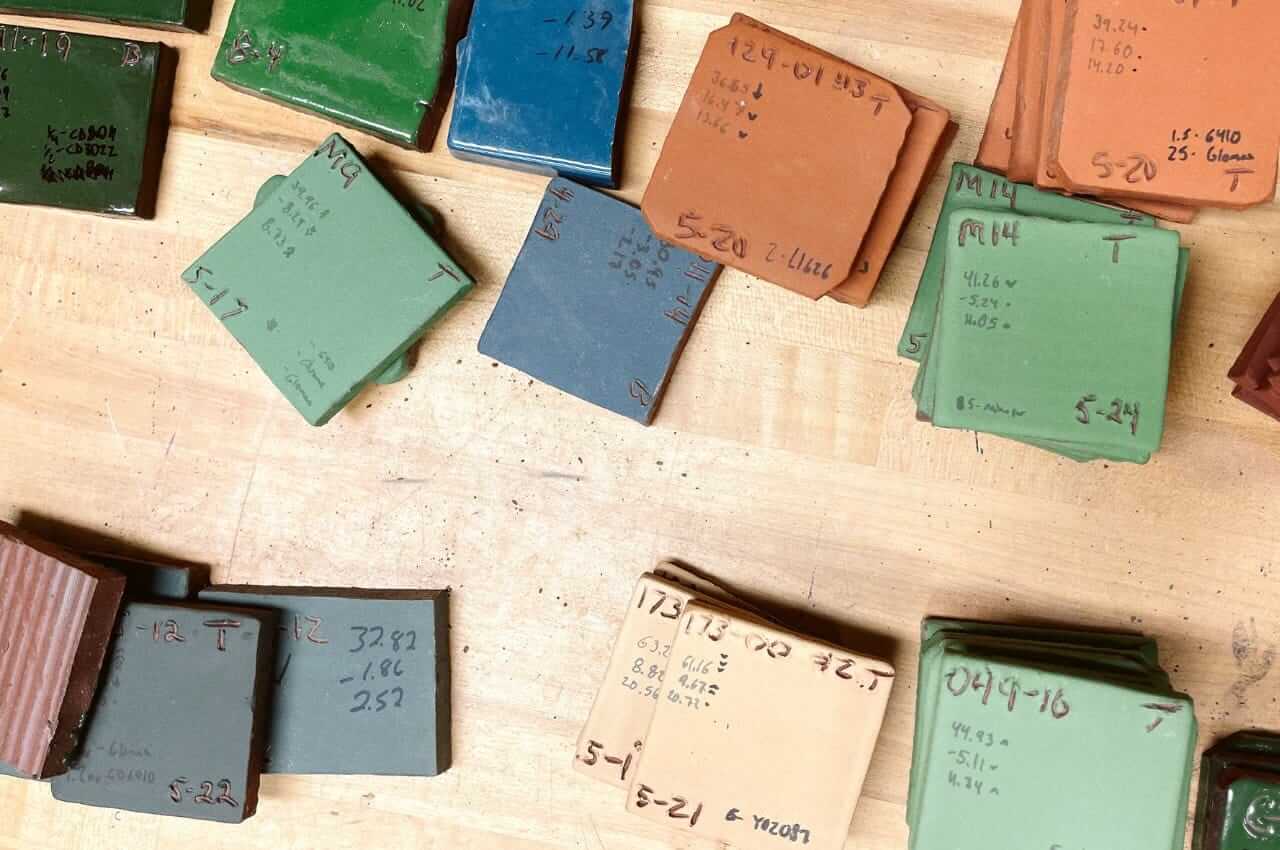
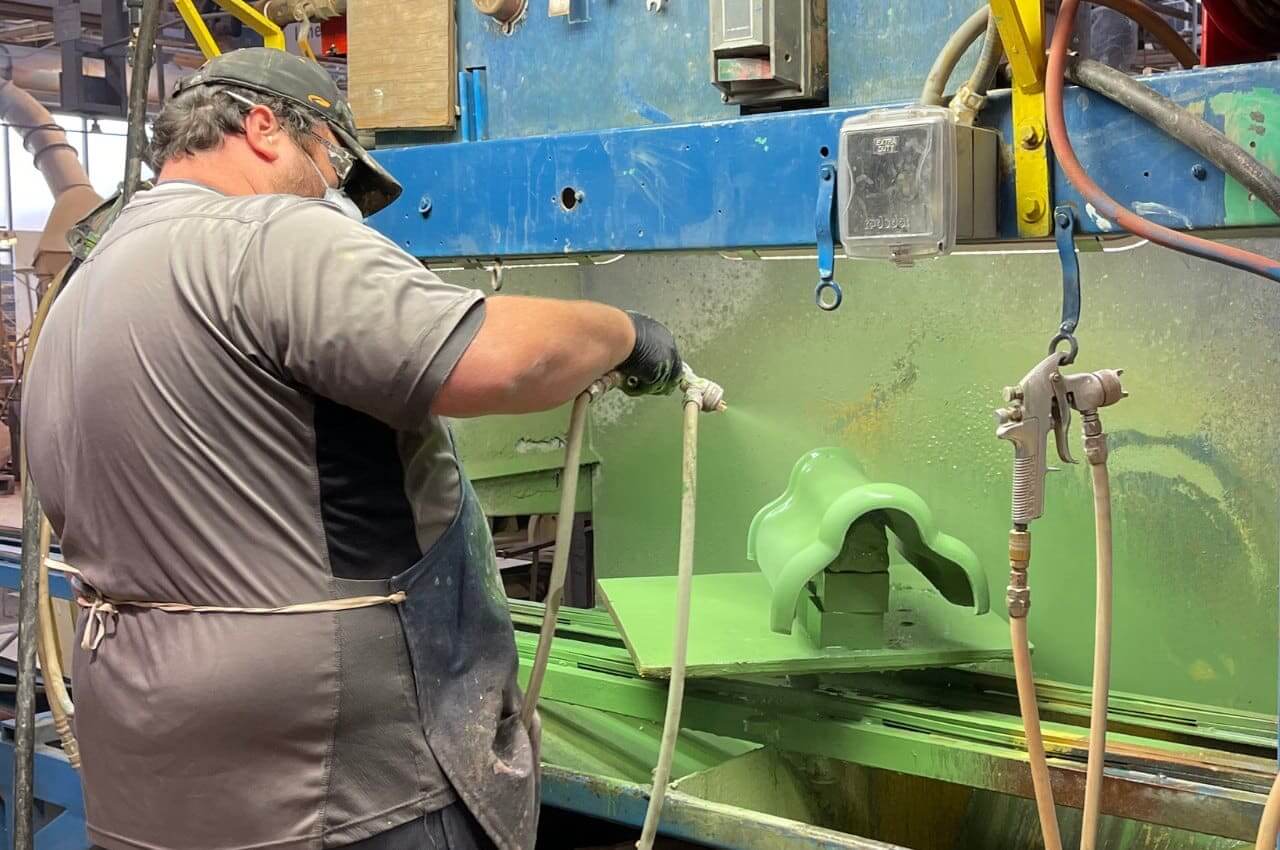
We watched an artisan hand mold the fresh clay against a cast to form a specialized piece. At another station, a team worked on cutting tile and stamping the Ludowici name into the underside of the fresh product. We walked through the glazing processes, and the team showed us the large kilns used to finish the product. There is an exact science to the color the tile will become after it is fired in a kiln. The ceramic engineers even work to match the historic tiles, taking great pride in offering such a wide array of color and texture variations. Ludowici has been making their tile in the United States for over 130 years, and as a true test of time, many of their processes have not changed. For every procedure, there is a quality standard that the procedure protects.

The craftsmanship of their roof tiles provides an unmatched aesthetic that can be found on buildings of all kinds, including both historic and newly built homes and businesses. Baker Roofing Company is honored to be an Elite Crown Roofer with Ludowici and has hand-installed Ludowici tile on notable buildings at Duke University, the Omni Grove Park Inn, Asheville High School, and homes and businesses across the country. Together, the materials we use and our skilled roofers installing these materials deliver the quality product that Baker is proud to stand behind.

If you are interested in getting Ludowici tiles installed on your home, we highly recommend finding an accredited installer in your area. The Ludowici Crown Roofing program is extremely difficult to attain and ensures you will have your beautiful new tile roof done right!
Waterhead

A box-shaped component that connects scuppers to downspouts, helping control the flow of roof runoff and avoiding unsightly cascades. Waterheads are also called conductor heads or rainheads.

Expansion Joints

Flexible joints built into a roof system that absorb movement from expansion and contraction. They prevent cracking and leaks at connections between different parts of your roof assembly.

Drip Edge

An L-shaped piece of roof edge flashing that helps rainwater flow off the roof and away from the fascia boards. It prevents water from seeping under shingles or other roofing materials, protecting the roof deck from rot.

Capillary Action

The process where water moves into tiny gaps or along narrow spaces, often against gravity, because of surface tension. In roofing, it can draw water into seams or cut edges, leading to hidden leaks and damage.

Membrane

The waterproof layer in a roofing system that protects the building from water intrusion and reflects sunlight, lowering energy costs. It’s usually the top layer of the roofing system and can be made of materials like TPO, PVC, EPDM, or modified bitumen.

Heat welded thermoplastic membrane

A type of white single-ply roofing membrane that’s sealed at the seams using hot air, creating a waterproof layer over the roof. It’s commonly used on flat or low-slope commercial buildings, since these roofs need to most protection from water infiltration.

EPDM (ethylene propylene diene monomer)

A black, gray or white rubber roofing membrane known for its long lifespan. It’s commonly used on flat or low-slope buildings and is typically glued down, mechanically fastened or ballasted, not heat-welded.

PVC (polyvinyl chloride)

A high-end type of heat-welded thermoplastic membrane that stands up well to oils and chemicals. It’s ideal for restaurants or industrial buildings for its extra resistance, though it usually costs more.

TPO (thermoplastic olefin)

A durable type of heat-welded thermoplastic membrane that reflects sunlight and helps reduce cooling costs. It’s a cost-effective option for flat roofs but may not perform as well as PVC in harsh environments.

End cap

A metal cap that seals the open end of gutters, flashings, or panels. End caps prevent water from spilling and protect roof edges from corrosion or leaks.

Soldered joint

A watertight joint created by joining metal roofing or flashing components together. Soldered joints provide long-lasting, durable seals against water infiltration.

Parapet wall

The short wall that extends above the roofline, often around the roof’s edge, to provide safety, block wind, and in some cases help manage water drainage. In roofing, parapet walls are usually capped with coping to keep water from seeping into the wall structure.

Retro drain

A roof drain retrofit designed to fit inside existing piping without major demolition. Retro drains are cost-effective solutions for improving drainage on older roofs.