Every Monday our employees open their email inboxes and are greeted by a simple phrase. It might be “Lead with Humility,” “Be Courageous,” or “Excellence in All That We Do.” These phrases represent just three of the twenty-six fundamentals that we use here at Baker Roofing Company to guide the decisions that we make every day.
About three years ago, the Board of Directors, along with the input of our Leadership Team, came up with the Fundamentals. They were not just words written down on paper, but they were precepts woven into the daily operations of those organizations. Following this, we sat down to create a list of values that define who we were and who we wanted to be as a company. This list became what we now call our Fundamentals.
Each week we place our focus on one of these individual Fundamentals and encourage our leaders to discuss and engage it with their teams. We start our department meetings by discussing how we can better utilize that Fundamental in our decision-making for that week. We want to practice being better team members, leaders, and learners, inside and outside of work. When I am explaining the importance of our Fundamentals to someone, I like to fall back on the numbers. If our Fundamental for this week causes one better decision from each of our employees today, that becomes 1,200 better decisions. So, all of a sudden, one better decision a day can lead to 300,000 better decisions in our company for the year.
“If our Fundamental for this week causes one better decision from each of our employees today, that becomes 1,200 better decisions. So, all of a sudden, one better decision a day can lead to 300,000 better decisions in our company for the year.”
We truly believe if we follow our 26 Fundamentals, we will rarely have any regrets as individuals and as an organization. Although we can get tunnel vision focusing on how this can improve us as employees, it can also make a positive impact on our personal lives. I recently had the daughter of one of our employees tell me how she had heard the fundamental “Blameless Problem Solving” from her father. It stuck with her and allowed her to be a better teammate because she remembered that finding a solution did not require placing blame.
If you are an employee reading this, I hope it brought some light to the “why” behind our weekly Fundamentals. If you are not a member of our Baker Team, I still encourage you to read through the complete list of Fundamentals below. They are not new ideas, but even if just one elicits a moment of pause, thoughtfulness, or behavioral change we believe that it can have positive and in some cases profound personal and or organizational change.

Mark Lee
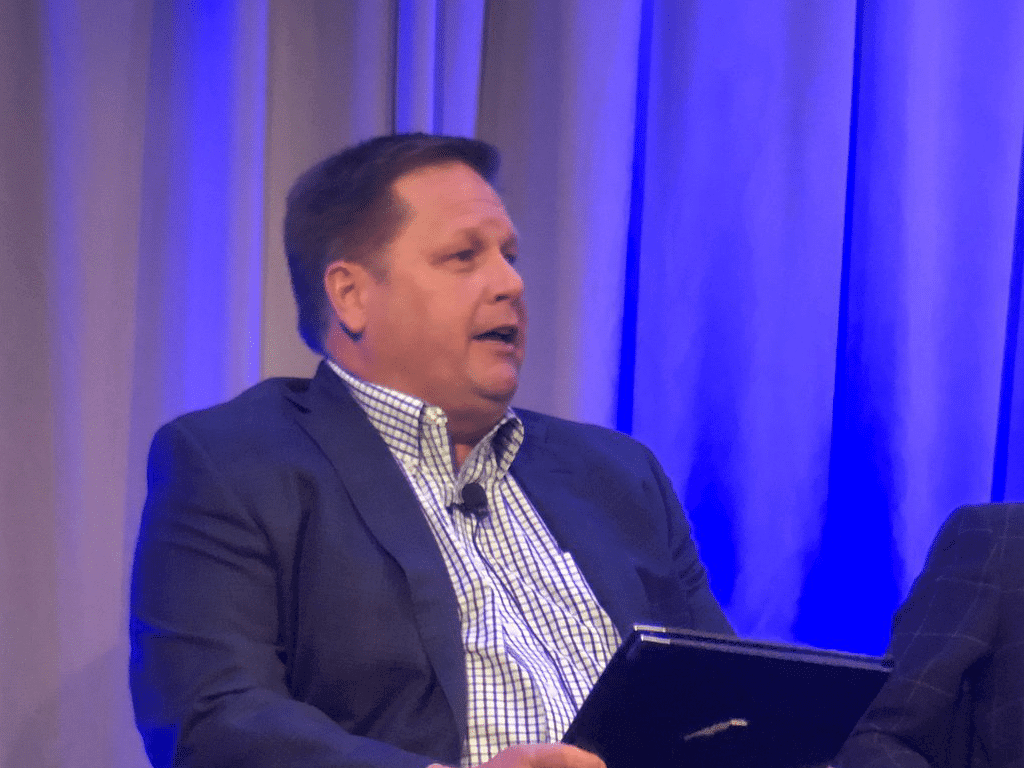
Mark Lee is CEO and Chairman of Baker Roofing Company, a commercial roofing company serving the Eastern United States. Since joining Baker in 1998, Mark has worked his way up from the field through various leadership roles before becoming CEO, where he oversees strategic planning, financial review, and operational decisions while also serving on the Board of Directors of the Boys and Girls Club. When he's not leading the company, Mark enjoys traveling with his wife, Stephanie, his two sons, Colton and Landon, and cheering on the University of South Carolina football team.