Getting Our People Home and Your Job Done Right
safety at baker roofing company
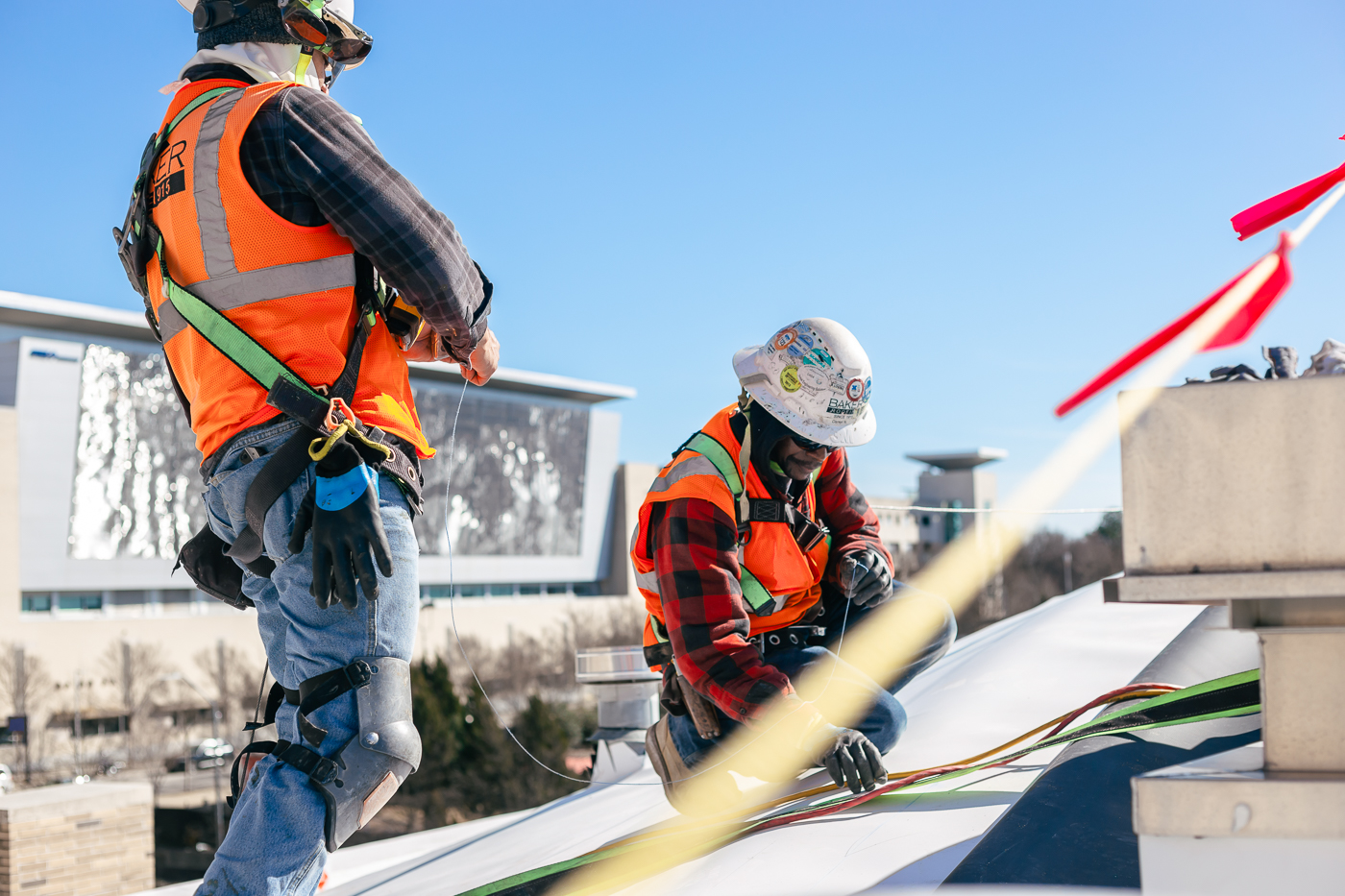
At Baker Roofing, safety is not a slogan we hang on the wall. It is our first goal on every job: getting our people home safe and getting your work done safely. Everything else comes after that. For over 110 years, we have believed that when we take care of our people, they do their best work and always do what is right. As a 100% employee-owned company, that belief is personal. The crew on your roof is made up of owners looking out for one another, and for your property.
Our Safety Philosophy: Cover Your Brother’s Back
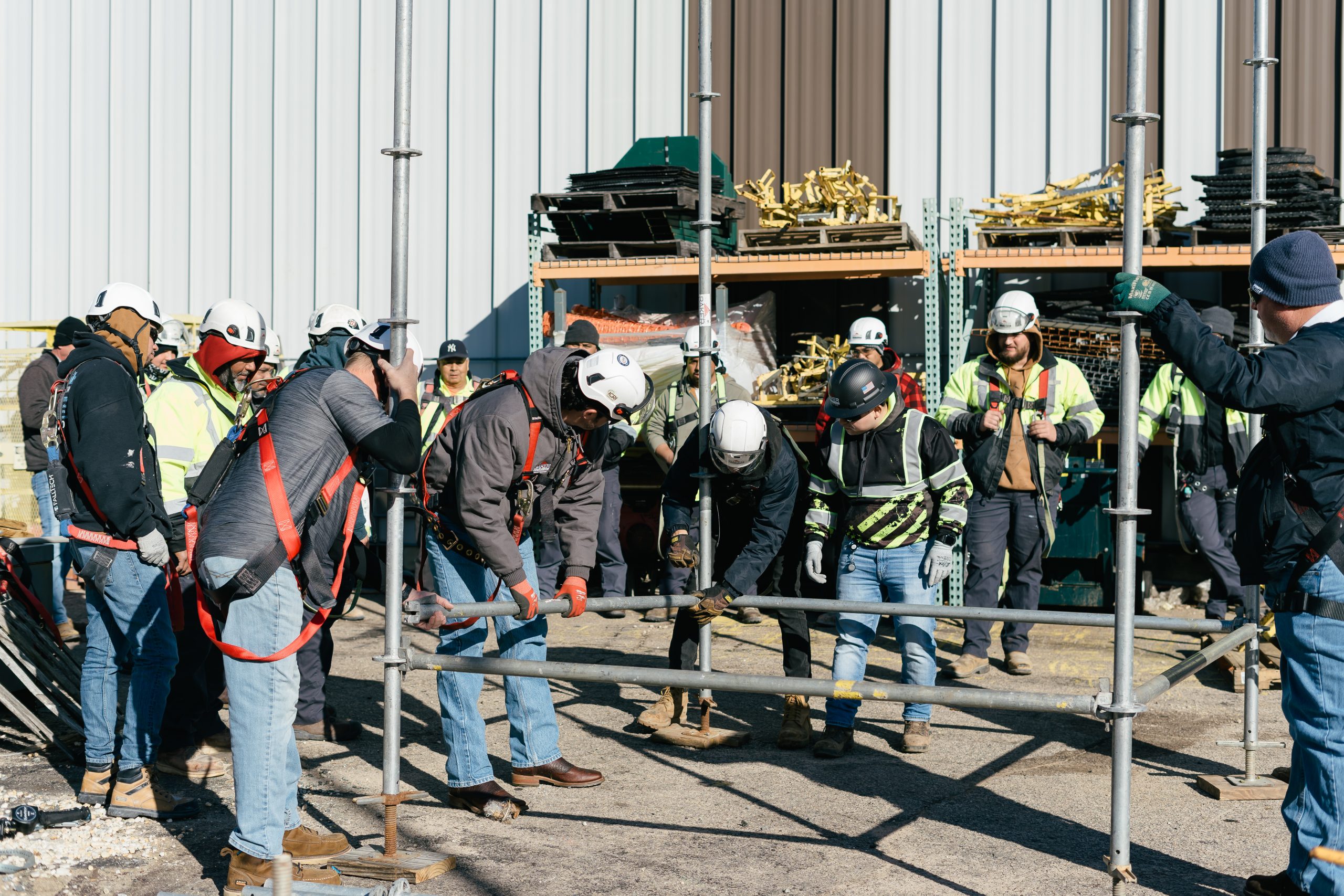
Our mission is accident prevention, and our commitment to a safe work environment shows up in every job duty we perform. Through teaching, training, inspecting, accountability, and positive reinforcement, we work toward a goal of zero lost-time incidents, zero restricted-duty cases, and zero fleet losses. We view every accident as unacceptable. Every member of Team Baker deserves an injury-free workplace, and we pursue that goal constantly and consistently.
“Cover Your Brother’s Back” is more than a phrase to us. It is how a company of employee-owners looks out for each other, every day, on every site.
Why Does Our Safety Record Matter to You?
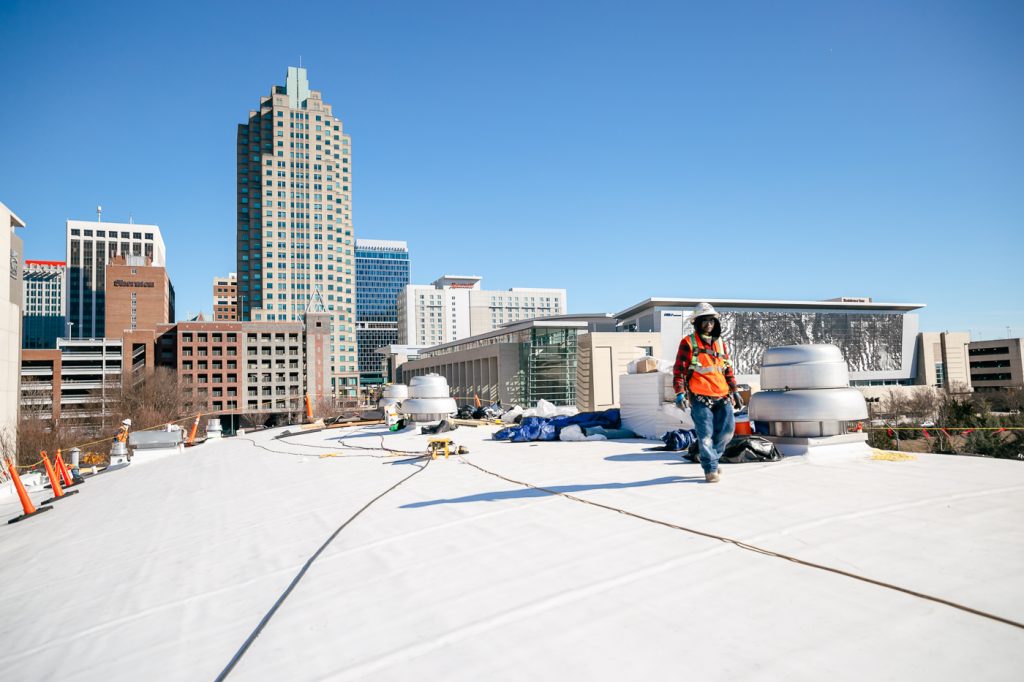
A strong safety culture protects more than our crews. It protects your project, your timeline, and your property. Sites run by well-trained, safety-focused teams see fewer disruptions, fewer delays, and fewer surprises. When you partner with Baker, you are choosing a contractor whose people take safety as seriously as the work itself, because on a Baker job site, those two things are the same.
A Dedicated Safety Team
We are proud to have a team of employees devoted entirely to safety. They work hard every day to make sure Team Baker comes home safely to their families, while protecting your business at the same time. Their mission is accident prevention, and that commitment shows up in everything we do, through teaching, training, inspecting, accountability, and positive reinforcement, all in pursuit of zero lost-time incidents, restricted-duty cases, and fleet losses.
Our Safety Awards and Recognition
Our safety culture has earned recognition from the organizations that set the standard for our industry. We are grateful for it, and we see it as a reason to keep raising the bar.
- SHARP Award for superior leadership in occupational safety and health management
- STAR member of the Carolinas Roofing & Sheet Metal Association
- Highly developed Environmental Health & Safety program and policies
- 13 full-time safety managers and risk management staff throughout the company
- NC Department of Labor Safety & Health Achievement Recognition Program