Author name: Abram Gregory

Flat Roof Skylights: Design, Installation, and Maintenance Guide 

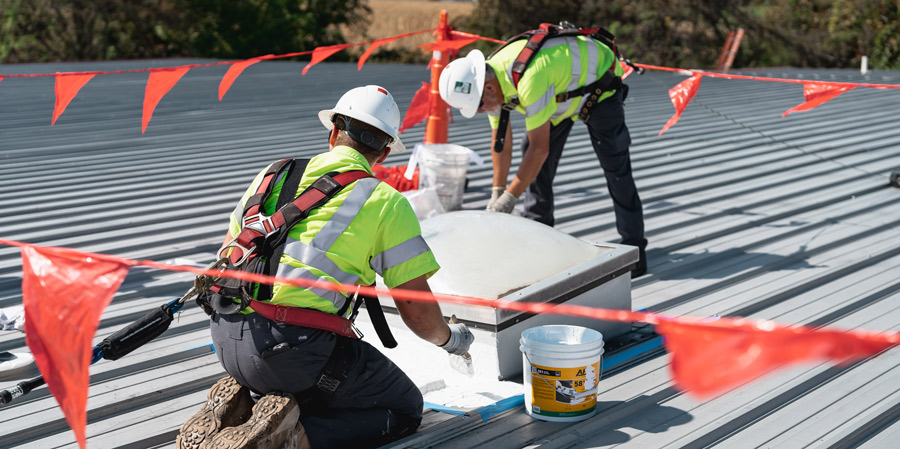
Adding a skylight to a commercial flat roof can completely transform the atmosphere of your building. That’s because natural light makes interiors feel larger and more vibrant, boosting employee morale and, believe it or not, attracting more customers.   For instance, according to Kalwall, bringing in daylight through skylights can increase retail sales by up to […]

Flat Roof Skylights: Design, Installation, and Maintenance Guide  Read More »

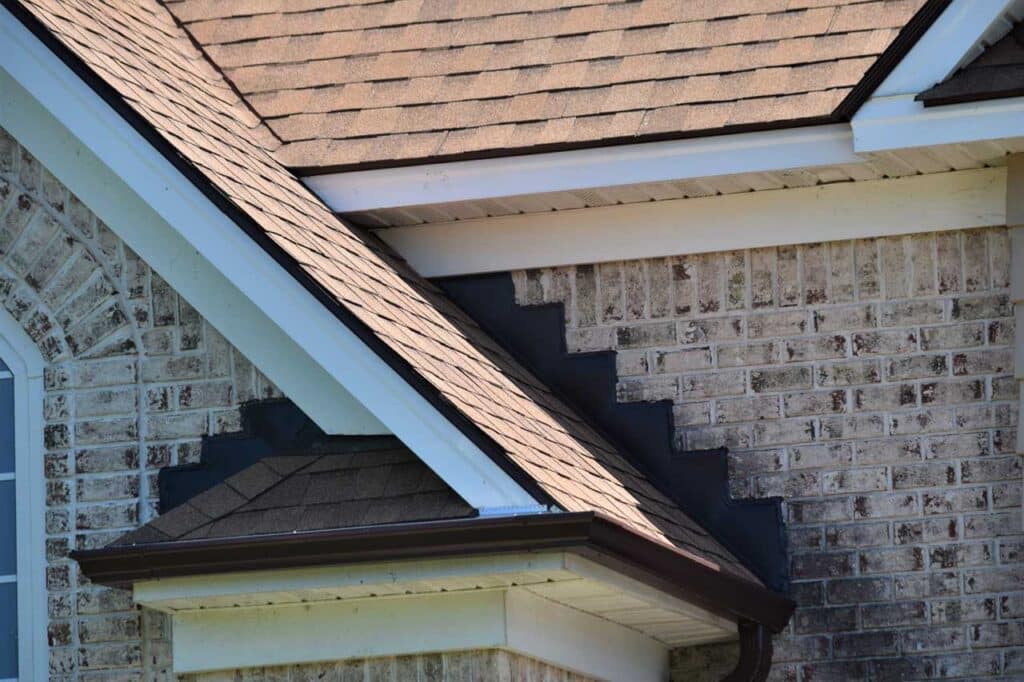
Tan brown shingle roof

Drip Edge Flashing: Materials, Installation, Maintenance, and More 

When storms sweep through the Southeast, facility managers’ minds usually jump to debris damage, drainage problems, and similar headaches. However, an equally crucial (if, ironically, less flashy) aspect of a healthy commercial building is drip edge flashing.  This small piece of metal lining your roof’s edge has a massive impact on your property’s longevity, ensuring

Drip Edge Flashing: Materials, Installation, Maintenance, and More  Read More »

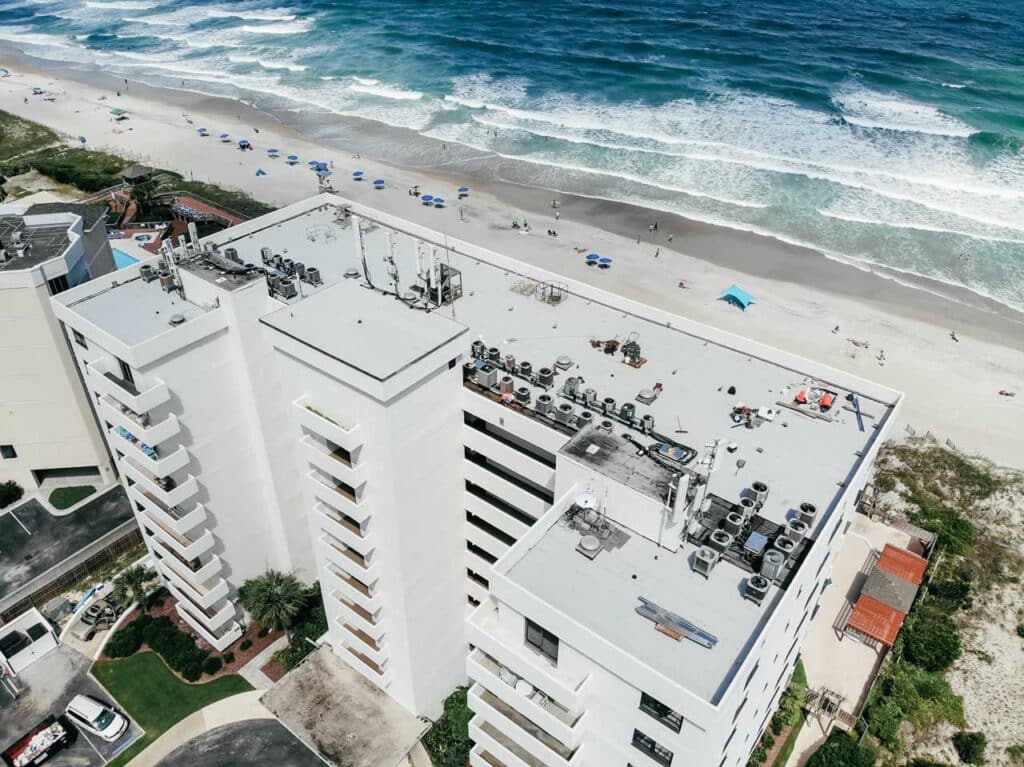
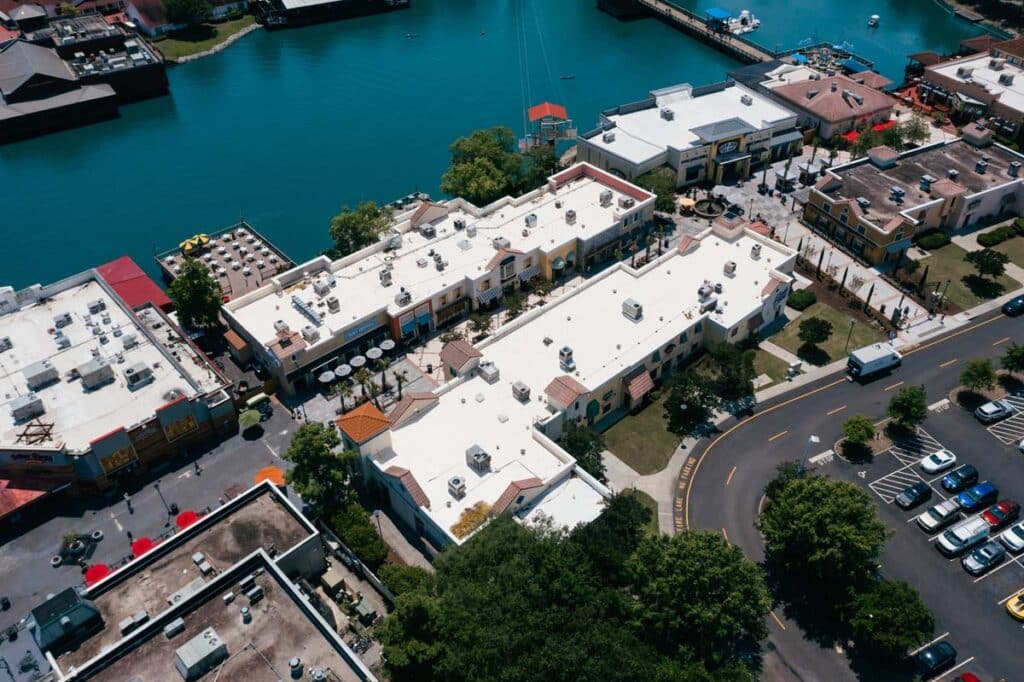
Aerial view of two buildings with PVC KEE roofs

6 Key Things to Consider When Installing a Low Slope Roof

When you’re installing a low slope roof on a commercial property, the stakes are high. Certain well-installed systems can last over 30 years, reducing energy costs and preventing leaks throughout that entire lifespan. A poorly installed roof, on the other hand, is a pathway to expensive commercial flat roof repairs and occupant complaints. So, before

6 Key Things to Consider When Installing a Low Slope Roof Read More »

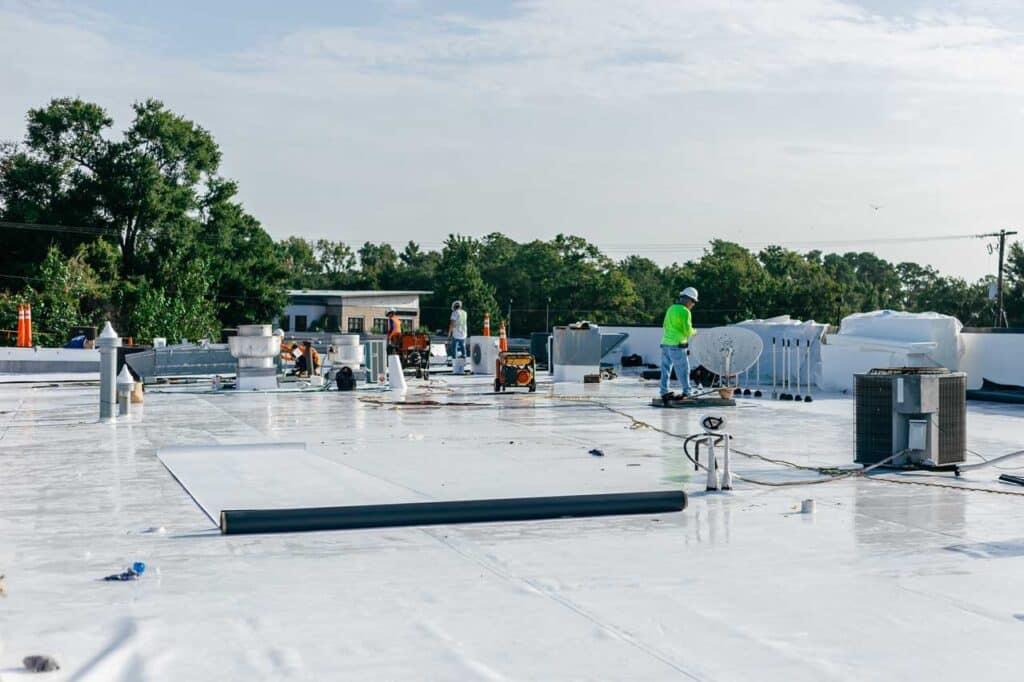
Roofers completing a roof replacement and installing a TPO membrane roof

TPO vs. PVC: Which Is Best for Your Business’ Roof?

In the fun, high-action world of single ply membrane roofing, two products dominate the market: TPO and PVC. Of course, unless you’re a grizzled veteran of facility management, you’ve likely never heard of most types of roofing membranes to begin with, leaving you to wonder what difference membrane types even makes. However, if your business

TPO vs. PVC: Which Is Best for Your Business’ Roof? Read More »

Waterhead

A box-shaped component that connects scuppers to downspouts, helping control the flow of roof runoff and avoiding unsightly cascades. Waterheads are also called conductor heads or rainheads.

Expansion Joints

Flexible joints built into a roof system that absorb movement from expansion and contraction. They prevent cracking and leaks at connections between different parts of your roof assembly.

Drip Edge

An L-shaped piece of roof edge flashing that helps rainwater flow off the roof and away from the fascia boards. It prevents water from seeping under shingles or other roofing materials, protecting the roof deck from rot.

Capillary Action

The process where water moves into tiny gaps or along narrow spaces, often against gravity, because of surface tension. In roofing, it can draw water into seams or cut edges, leading to hidden leaks and damage.

Membrane

The waterproof layer in a roofing system that protects the building from water intrusion and reflects sunlight, lowering energy costs. It’s usually the top layer of the roofing system and can be made of materials like TPO, PVC, EPDM, or modified bitumen.

Heat welded thermoplastic membrane

A type of white single-ply roofing membrane that’s sealed at the seams using hot air, creating a waterproof layer over the roof. It’s commonly used on flat or low-slope commercial buildings, since these roofs need to most protection from water infiltration.

EPDM (ethylene propylene diene monomer)

A black, gray or white rubber roofing membrane known for its long lifespan. It’s commonly used on flat or low-slope buildings and is typically glued down, mechanically fastened or ballasted, not heat-welded.

PVC (polyvinyl chloride)

A high-end type of heat-welded thermoplastic membrane that stands up well to oils and chemicals. It’s ideal for restaurants or industrial buildings for its extra resistance, though it usually costs more.

TPO (thermoplastic olefin)

A durable type of heat-welded thermoplastic membrane that reflects sunlight and helps reduce cooling costs. It’s a cost-effective option for flat roofs but may not perform as well as PVC in harsh environments.

End cap

A metal cap that seals the open end of gutters, flashings, or panels. End caps prevent water from spilling and protect roof edges from corrosion or leaks.

Soldered joint

A watertight joint created by joining metal roofing or flashing components together. Soldered joints provide long-lasting, durable seals against water infiltration.

Parapet wall

The short wall that extends above the roofline, often around the roof’s edge, to provide safety, block wind, and in some cases help manage water drainage. In roofing, parapet walls are usually capped with coping to keep water from seeping into the wall structure.

Retro drain

A roof drain retrofit designed to fit inside existing piping without major demolition. Retro drains are cost-effective solutions for improving drainage on older roofs.