Baker’s Apprenticeship Program

man in red polo smiling for a photo on a sunny day

Learn More about our Apprenticeship Program
Read the full story here: Go to myfox8.com

RALEIGH, N.C. (February 27, 2012) – Baker Roofing Company, a full-service building envelope contractor, announced today that it is offering an apprenticeship program to provide qualified military veterans with on-the-job training and experience in the roofing industry. Baker has registered the program with both the North Carolina Department of Labor and the U.S. Department of Labor. The program is available at Baker locations across the Southeast. “The United States military veteran unemployment rates are staggering. We have men and women who are returning from service overseas that simply cannot find employment despite their qualifications and experience,” said Brendan Hale, the director of career development for Baker Roofing Company. “This program is an excellent way for individuals to receive on-the-job training and transition to a viable career path. The Baker team is grateful for the opportunity to support the deserving veterans who have served our country.”

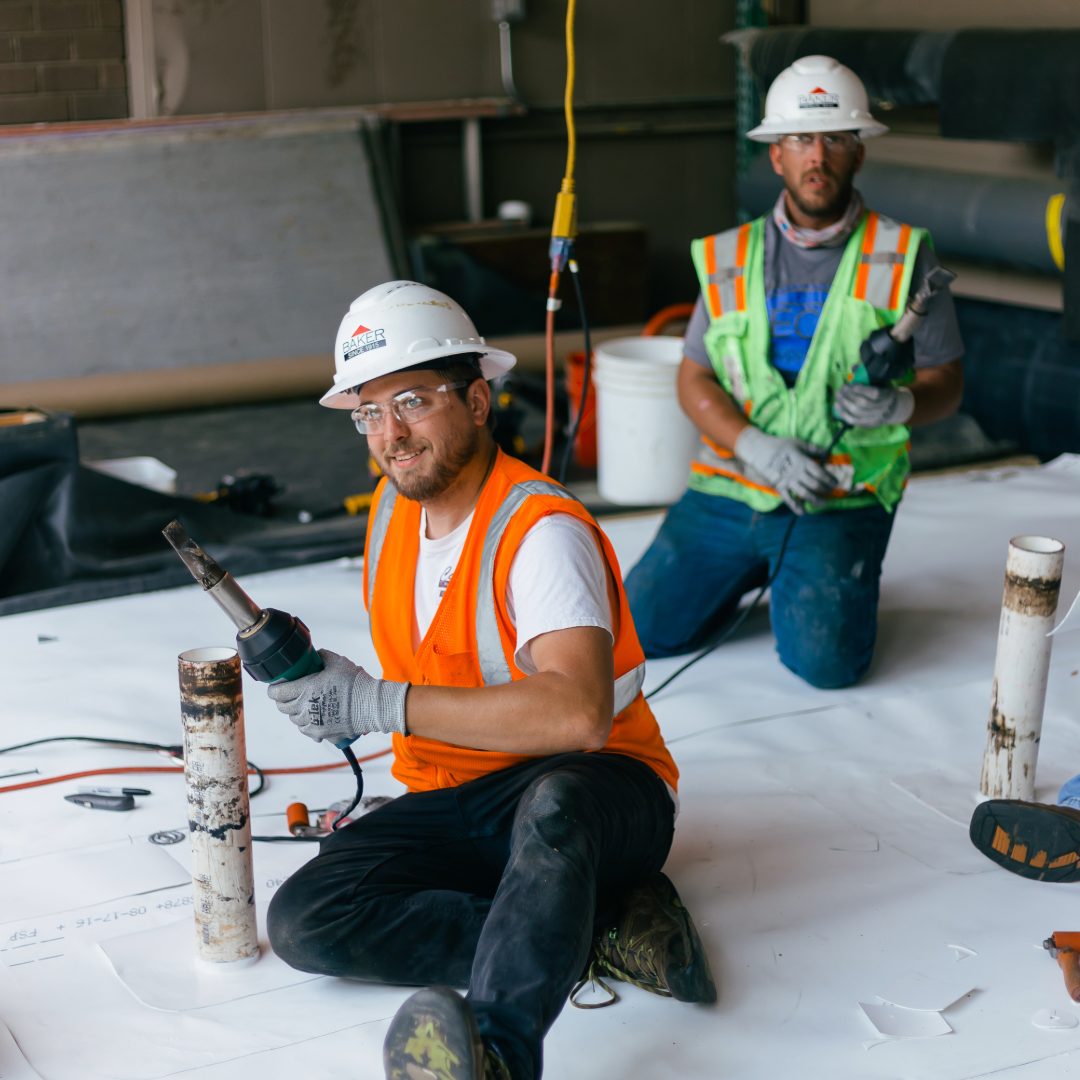
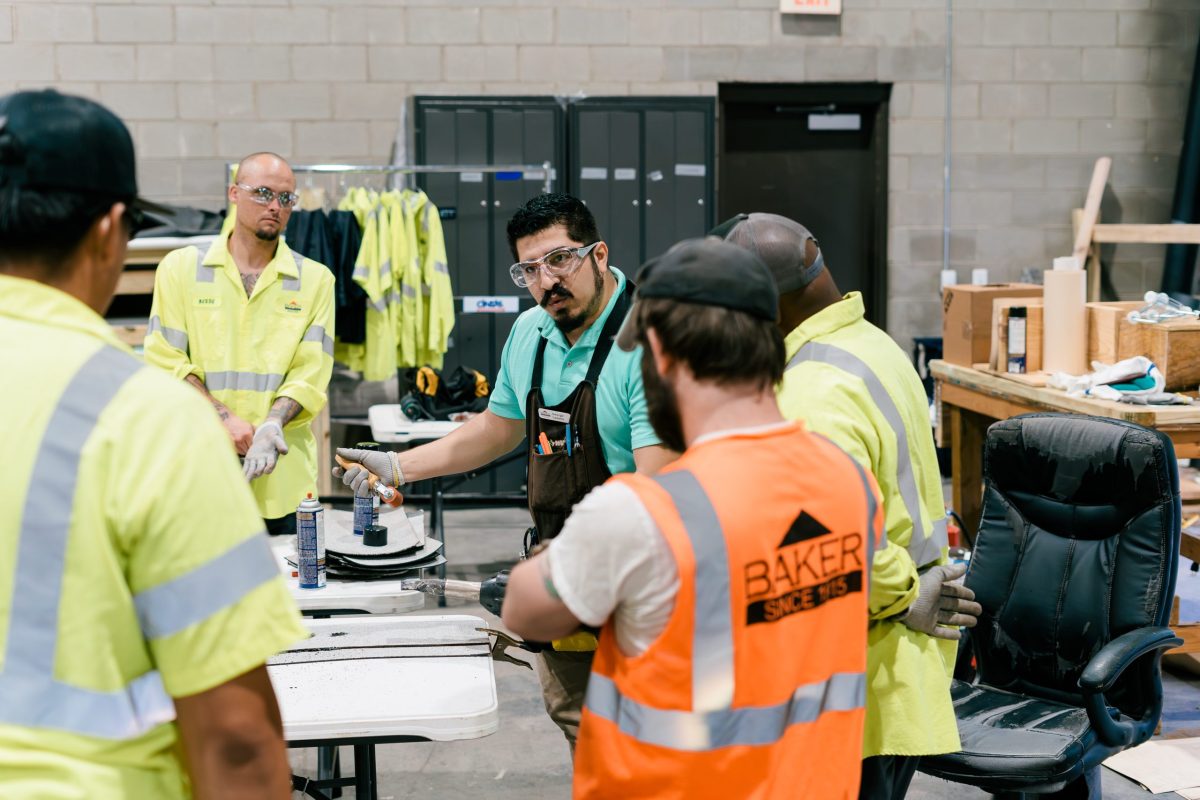
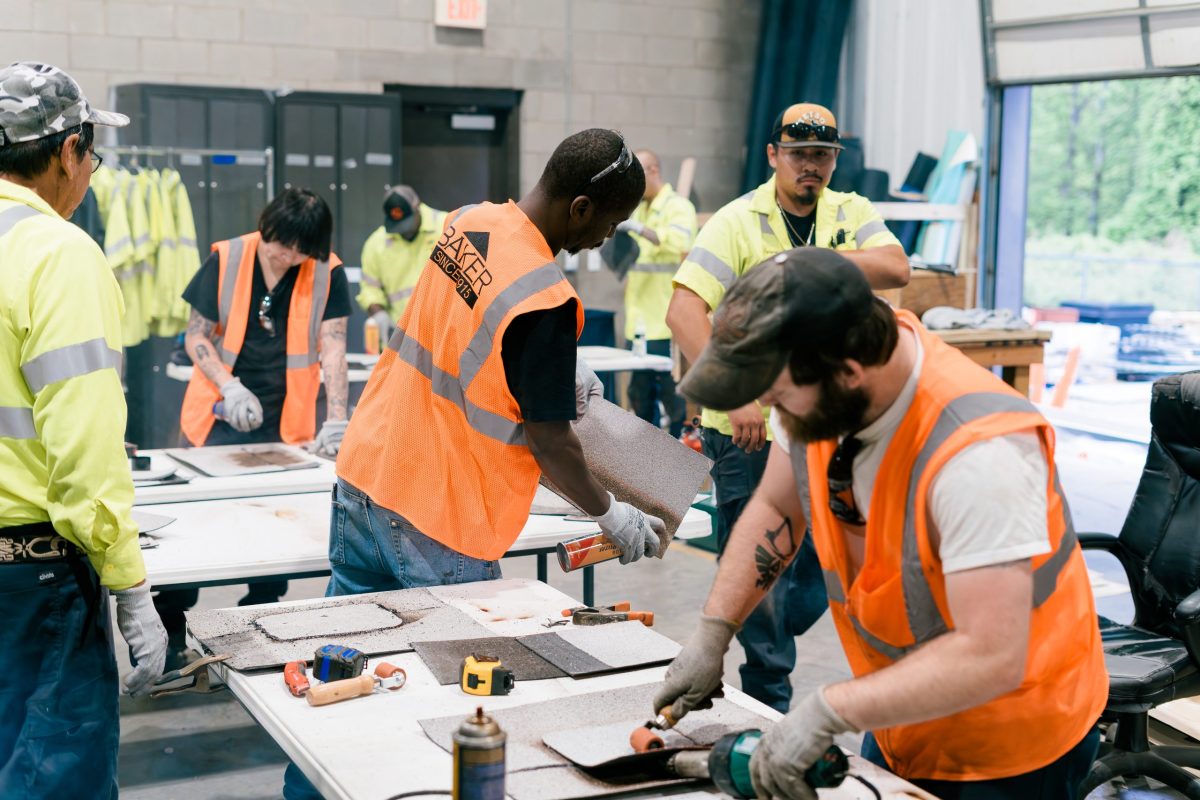
Baker Roofing’s program consists of three years of on-the-job training as well as 432 hours of related classroom instruction. Apprentices have the opportunity to serve as wage-earning employees while learning and developing the high-level skills and technical knowledge required in the roofing industry. Upon completion of the program, apprentices receive nationally recognized journey worker credentials and will be prepared to advance into project management positions. Qualifying veterans may be eligible for G.I. Bill benefits and compensation, as well as the military’s Basic Allowance for Housing (BAH).

“It is a privilege to have the opportunity to work alongside the skilled tradesmen at Baker, and I have enjoyed and appreciate the education I have received so far,” said Cole Jones, former Army Specialist, and a current Baker apprentice. “I look forward to earning my credentials and having the skills necessary to succeed in this field.”

“At Baker, our dedication to ‘Always Good Work’ is made possible through the efforts of our dedicated team of professionals, so we are very excited about the potential that this program offers,” added Hale. More information on Baker’s Apprenticeship Program can be found here.

Who will perform the work, employees or subcontractors?

We utilize both options for different jobs. For example, a shingle reroof will typically be handled by a sub-crew, overseen by one of Baker Roofing’s dedicated project managers.

What makes Baker Roofing different from other roofing companies?

Our crews have a strong work ethic and get the job done mentality. While efficiency is one of our priorities, here at Baker we believe the job is not truly completed until the final walkthrough occurs and the customer is satisfied.

We fully acknowledge that this is simplistic and helpful, but far from all-inclusive/comprehensive. Still, have remaining questions? Feel free to shoot us an email, give us a phone call, or contact us through Social Media. Help us help you!

Waterhead

A box-shaped component that connects scuppers to downspouts, helping control the flow of roof runoff and avoiding unsightly cascades. Waterheads are also called conductor heads or rainheads.

Expansion Joints

Flexible joints built into a roof system that absorb movement from expansion and contraction. They prevent cracking and leaks at connections between different parts of your roof assembly.

Drip Edge

An L-shaped piece of roof edge flashing that helps rainwater flow off the roof and away from the fascia boards. It prevents water from seeping under shingles or other roofing materials, protecting the roof deck from rot.

Capillary Action

The process where water moves into tiny gaps or along narrow spaces, often against gravity, because of surface tension. In roofing, it can draw water into seams or cut edges, leading to hidden leaks and damage.

Membrane

The waterproof layer in a roofing system that protects the building from water intrusion and reflects sunlight, lowering energy costs. It’s usually the top layer of the roofing system and can be made of materials like TPO, PVC, EPDM, or modified bitumen.

Heat welded thermoplastic membrane

A type of white single-ply roofing membrane that’s sealed at the seams using hot air, creating a waterproof layer over the roof. It’s commonly used on flat or low-slope commercial buildings, since these roofs need to most protection from water infiltration.

EPDM (ethylene propylene diene monomer)

A black, gray or white rubber roofing membrane known for its long lifespan. It’s commonly used on flat or low-slope buildings and is typically glued down, mechanically fastened or ballasted, not heat-welded.

PVC (polyvinyl chloride)

A high-end type of heat-welded thermoplastic membrane that stands up well to oils and chemicals. It’s ideal for restaurants or industrial buildings for its extra resistance, though it usually costs more.

TPO (thermoplastic olefin)

A durable type of heat-welded thermoplastic membrane that reflects sunlight and helps reduce cooling costs. It’s a cost-effective option for flat roofs but may not perform as well as PVC in harsh environments.

End cap

A metal cap that seals the open end of gutters, flashings, or panels. End caps prevent water from spilling and protect roof edges from corrosion or leaks.

Soldered joint

A watertight joint created by joining metal roofing or flashing components together. Soldered joints provide long-lasting, durable seals against water infiltration.

Parapet wall

The short wall that extends above the roofline, often around the roof’s edge, to provide safety, block wind, and in some cases help manage water drainage. In roofing, parapet walls are usually capped with coping to keep water from seeping into the wall structure.

Retro drain

A roof drain retrofit designed to fit inside existing piping without major demolition. Retro drains are cost-effective solutions for improving drainage on older roofs.