
 BACK TO BLOG
 Flat Roof Skylights: A Design and Maintenance Guide
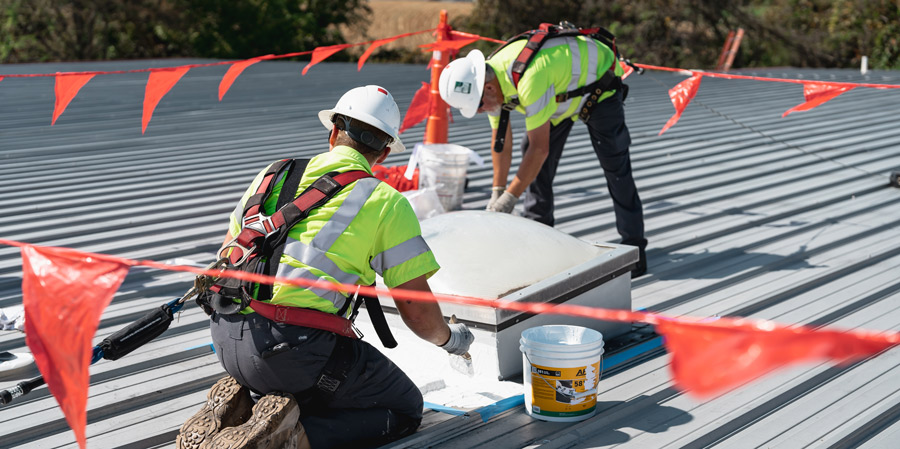
A flat roof skylight is a roof window designed to bring natural light into buildings with flat or low slope roofing systems. Installed either flush with the roof deck or on a raised curb, a properly flashed and drained skylight improves energy efficiency and the comfort of the people below, with minimal maintenance over a long service life. It is one of the most practical daylighting upgrades available for a commercial property.
The catch is in that word “properly.” A skylight is a hole in your roof, and it performs beautifully or fails expensively depending on how it is designed, flashed, and maintained. Here is everything a property owner or facility manager should know before adding or replacing one.
Why Add a Skylight at All?
Natural light changes how a building feels and performs. Daylit interiors feel larger and more vibrant, which lifts employee morale, and daylighting studies in retail settings have linked skylights to measurably higher sales. On the operations side, daylight reduces reliance on electric lighting, trimming energy costs when the glazing is chosen well.
The benefits are real. So are the risks of getting the details wrong, which is why the rest of this guide focuses on the decisions that determine whether your skylight is an asset or a leak waiting to happen.
Which Skylight Glazing Should You Choose?
Glazing, the material that lets the light in, determines much of how a skylight performs. The wrong choice can make a space too hot, too dim, or hard on interior finishes over time. There are three main options:
- Clear glazing delivers the most natural light but also the most heat buildup, a real consideration in warm Southeastern climates. It is best for warehouses, hallways, storage areas, and large open spaces.
- Opaque (diffusing) glazing filters and softens sunlight, reducing glare and solar heat gain. It is the right choice for offices, classrooms, and any space full of computer screens.
- Amber glazing provides a warm, balanced glow that softens harsh sunlight while keeping the space bright. It suits occupied spaces without many screens, such as showrooms and lobbies.
The rule is simple: match the glazing to how the space below is actually used. A clear skylight that is perfect over a warehouse floor would make an office underneath it miserable by 2 p.m.
Modern low-E coatings improve every option by cutting UV transmission and heat gain. Some low-E glass skylights achieve a solar heat gain coefficient as low as 0.26, meaning they block roughly three-quarters of incoming solar heat while still admitting daylight. The right glazing saves energy and keeps the space comfortable year-round.
What Are the Best Skylight Styles for a Flat Roof?
A skylight on a flat roof needs to be watertight, durable, and compatible with your roofing membrane. Two styles cover most installations, with a couple of specialty options beyond them.
Curb-Mounted Skylights
The most popular choice for flat roofs, curb-mounted skylights sit on a raised frame, typically around 8 inches tall, with the roofing membrane flashed up the sides of the curb to keep the assembly watertight. Their advantages:
- Easy replacement. Because the membrane is flashed to the curb rather than the skylight itself, the skylight can be swapped without re-flashing when the existing flashing is sound, which keeps replacement labor and cost down.
- Custom sizing. Curb-mounted units are easier to manufacture in custom dimensions to fit existing roof openings.
- Retrofit-friendly. They are the natural choice when the skylight needs replacement but the curb and flashing remain functional.
Their trade-offs:
- A higher profile. The raised curb adds height above the roofline, which matters for wind exposure and can be visible from the ground.
- Less insulation at the curb. Many existing curbs carry minimal insulation, around 1.5 inches, which allows more heat transfer than the surrounding roof.
On balance, curb-mounted skylights are the most practical and usually most affordable option for flat roofs, which is why they are the default.
Deck-Mounted Skylights
Deck-mounted skylights sit flush with the roof deck for a sleeker, lower-profile look. They are more common on sloped roofs, and there is a reason for that: on a truly flat roof, they are more prone to ponding water and leaks. Replacing one also requires re-flashing, which adds cost compared to a curb-mounted swap. They are best reserved for slightly sloped roofs where water drains away naturally, or where the clean look is a genuine design priority.
Specialty Options
- Tubular (“sun tunnel”) skylights channel daylight through a compact reflective tube into small or interior spaces such as restrooms, hallways, and utility rooms.
- Custom or structural skylights are large, engineered installations for atriums and showrooms, requiring close coordination between the roofer and the skylight manufacturer to design and install properly.
Skylight Types at a Glance
| Type | Features | Best Use Cases |
|---|---|---|
| Curb-mounted | Raised curb allows easy replacement and custom sizing; adds height and some heat transfer | Flat roofs and retrofits where flashing is still sound |
| Deck-mounted | Flush with the deck for a sleek look; prone to ponding on flat roofs | Slightly sloped roofs with good drainage, or aesthetics-driven projects |
| Tubular | Compact reflective tube channels light into tight spaces | Restrooms, hallways, utility rooms |
| Custom/structural | Large engineered systems requiring manufacturer coordination | Atriums, showrooms, architectural statements |
Whichever style you choose, its long-term performance depends on how well it is sealed and drained. Which brings us to the part that actually keeps the water out.
Why Are Flashing and Drainage So Critical Around Skylights?
Flat roofs do not shed water the way steep roofs do, so the flashing and drainage around a skylight are its first line of defense. Drainage is the roof’s system for moving water off, through roof drains, scuppers, and gutters. Flashing is the membrane or metal that waterproofs the vulnerable transition where the skylight meets the roof.
A quality installation uses base flashing made of the same material as the roof membrane to ensure chemical compatibility, then protects the edges with counterflashing against UV exposure and wind, so that rainwater always meets a flashing surface directing it away. On a membrane roof, that means:
- TPO or PVC roofs: heat-welded thermoplastic flashing, fused to the field membrane.
- EPDM roofs: uncured EPDM flashing, which stays flexible as the roof expands and contracts.
- Modified bitumen roofs: torch-applied or cold-process flashing, with torch work done only by certified professionals.
The details are unforgiving. Even a small dip near the curb can trap water and deteriorate the membrane over time, and improper materials or methods can void your roof warranty. This is one part of a roofing project where an experienced commercial contractor earns their fee many times over.
How Do You Maintain a Flat Roof Skylight?
Skylights need occasional care, because dirt buildup and aging sealants degrade quietly until they do not. A simple routine keeps them performing:
- Inspect once or twice a year for cracks, leaks, and damaged flashing, ideally as part of your regular roof inspections.
- Clean debris and dirt from the glazing and the curb area.
- Keep nearby drains and scuppers clear, so water never backs up toward the curb.
- Reseal or replace aged caulking as it wears.
A few minutes of attention per visit extends the skylight’s lifespan and keeps the daylight, and only the daylight, coming through.
Key Takeaways
- Match the glazing to the space below: clear for warehouses, diffusing for offices and screens, amber for showrooms and lobbies.
- Curb-mounted is the flat roof default for its watertight flashing detail and easy replacement; deck-mounted belongs on roofs with real slope.
- Flashing must match the membrane, and drainage around the skylight must keep water moving, or nothing else matters.
- Inspect once or twice a year and keep drains near the skylight clear.
- Installation quality decides everything, including whether your roof warranty survives the project.
Let’s Brighten Your Building the Right Way
A skylight done right illuminates a building and the people in it for decades. For more than 110 years, Baker Roofing Company has handled skylight inspection, repair, replacement, and installation across the Southeast and Mid-Atlantic as part of our [exterior envelope services, with employee-owner crews who understand that a skylight is only as good as the flashing around it.
If you are considering a skylight, or wondering whether the one you have is aging well, reach out to your nearest Baker Roofing team. We will assess it honestly and build a plan that keeps the light in and the water out.
Related Insights
 Industry Insights
After The Storm: What Building Owners Should Do To Check For Roof Damage After A Hurricane

After a hurricane or major storm, roof damage is one of the most common problems for building owners. Even if your roof seems to…
 Industry Insights
6 Things to Know Before Installing a Low Slope Roof
Installing a low slope commercial roof comes down to getting six things right: the slope itself, the membrane material, the layers beneath it, the…
 Industry Insights
How Do You Prepare a Commercial Roof for Hurricane Season?
Preparing a commercial roof for hurricane season comes down to a five-point walkthrough: clear every drain and scupper, inspect perimeter flashing and edge metal,…