
 BACK TO BLOG
 How Do You Prepare a Commercial Roof for Hurricane Season?
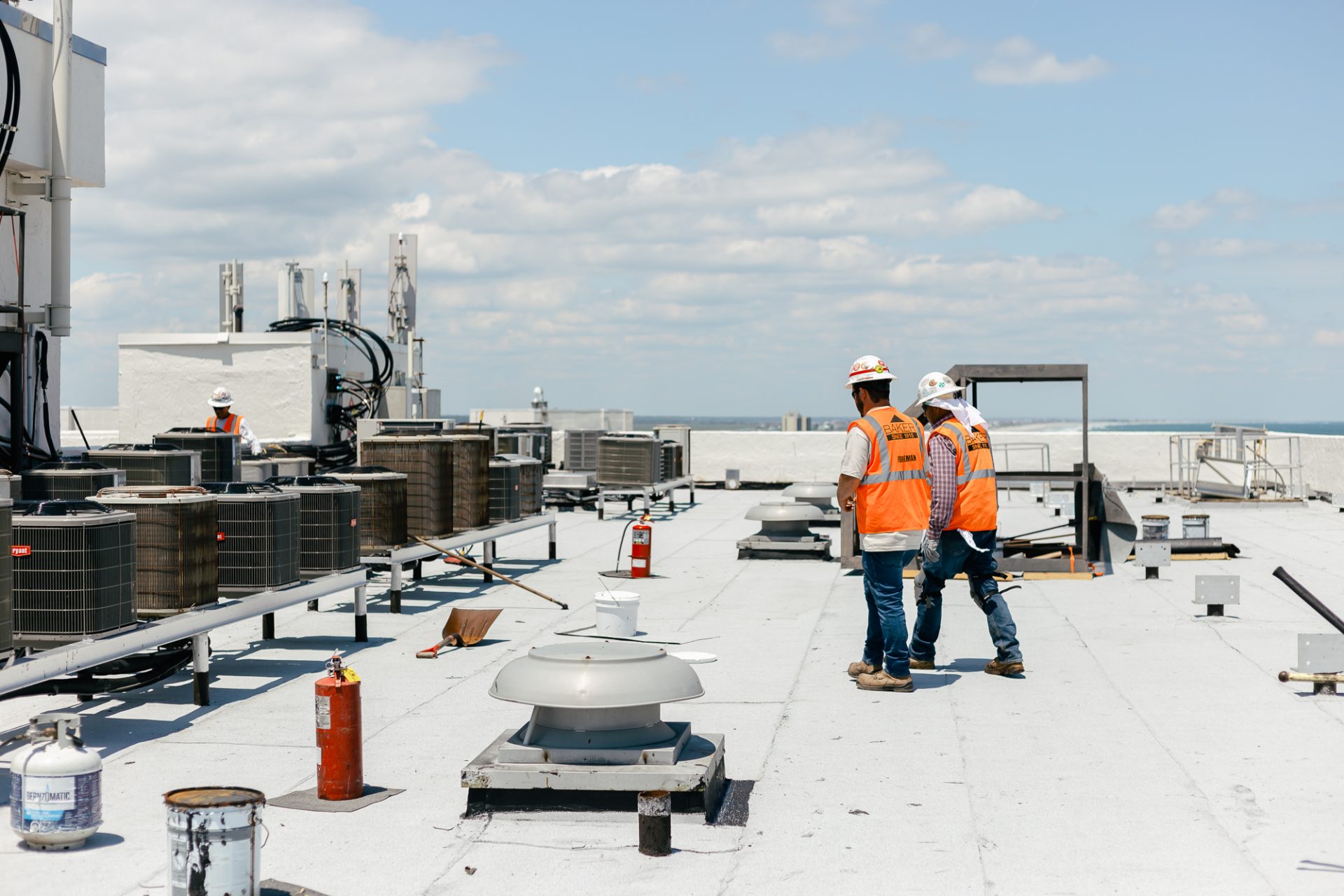
Preparing a commercial roof for hurricane season comes down to a five-point walkthrough: clear every drain and scupper, inspect perimeter flashing and edge metal, check every seam and penetration, examine HVAC curb flashings, and photograph the roof’s current condition. Most storm-related roof failures are not caused by the storm itself. They are caused by what was not fixed before it arrived.
Hurricane season runs from June 1 through November 30, and the best time to walk your roof is before the first named storm threatens your area. If you manage commercial buildings anywhere in the Southeast or Mid-Atlantic, that walkthrough is the difference between a manageable repair and a disruption that shuts down your operations. Here is exactly what to check and why each item matters.
Why Does Pre-Storm Roof Prep Matter So Much?
A hurricane does not need to tear a roof off to cause catastrophic damage. Far more often, high winds and heavy rain find the weaknesses that were already there: a clogged drain, a loose piece of edge metal, an open seam too small to notice in dry weather. The storm does not create the problem. It exposes it, at scale, all at once.
Pre-season preparation is what turns a modest repair bill into avoided disaster instead of a full roof replacement. It is also one of the few parts of storm season you can fully control.
What Are the Five Checks Every Commercial Roof Needs Before a Storm?
These five areas should be walked before the first named storm of the season, and again after any major weather event. Save this list for your facilities team.
1. Clear Every Drain and Scupper
Ponding water under high winds is a leading cause of catastrophic membrane failure. When drains and scuppers are blocked, rainwater has nowhere to go, and the added weight and pressure work against the roof exactly when it is most vulnerable. Walk every drain, clear every strainer, and confirm water has a clean path off the roof.
2. Inspect Perimeter Flashing and Edge Metal
The perimeter is where wind does its first damage. Edge metal, coping caps, and perimeter flashing are the first components to lift when sustained wind speeds climb, and once wind gets under the edge, it can peel back the entire roof system. Look for loose fasteners, lifted metal, and any gaps where wind could find a grip.
3. Walk Every Seam and Penetration
Small seam separations you cannot see in dry weather become major leaks under water loading. Every seam, pipe boot, and roof penetration deserves a close look. Probe suspect seams and reseal anything that has started to open. A separation the width of a credit card is all a wind-driven rain needs.
4. Check Every HVAC Curb Flashing
Rooftop unit curbs are the most common source of post-storm leaks, and they are also the check most often missed in pre-season walks. Counterflashing around HVAC curbs is a primary failure point because so many trades work around these units. Confirm the flashing is intact, sealed, and secure at every rooftop unit.
5. Photograph the Roof Now
Pre-storm photo documentation makes every post-storm conversation faster, cleaner, and more in your favor. Dated photos of your roof’s current condition give you a clear baseline for insurance claims, contractor conversations, and warranty questions. Document the field of the roof, the perimeter, every drain, and every rooftop unit before the weather turns.
Key Takeaways: Your Pre-Storm Roof Checklist
- Clear drains and scuppers so water always has a path off the roof.
- Inspect edge metal and perimeter flashing, the first areas wind attacks.
- Check seams and penetrations for small separations that become big leaks.
- Examine HVAC curb flashings, the most common and most missed leak source.
- Photograph everything so you have dated proof of pre-storm condition.
What If You Manage More Than One Building?
A five-point walkthrough is manageable for one roof. Across a portfolio of properties in multiple states, it becomes a real logistical challenge, and it is exactly the kind of work we built our company to handle.
For more than 110 years, Baker Roofing Company has protected commercial buildings across the Southeast and Mid-Atlantic, the regions where hurricane prep matters most. Our crews are employee-owners, our work is self-performed, and our 29 locations across eight states mean we can walk one roof or an entire portfolio with the same consistent standards. Every inspection includes photo documentation, so you have the records before you ever need them.
Let Us Put an Extra Set of Eyes on Your Roof
If you would rather have a professional handle your pre-storm walkthrough, we are ready to help. We will inspect your roof, document its condition, and fix the small problems before a storm turns them into big ones. That is proactive care, and it is how we have protected the buildings our customers depend on since 1915.
Schedule a commercial roof inspection before the next storm builds, or learn more about our commercial roof maintenance programs designed for exactly this kind of proactive protection.
Related Insights
 Industry Insights
After The Storm: What Building Owners Should Do To Check For Roof Damage After A Hurricane

After a hurricane or major storm, roof damage is one of the most common problems for building owners. Even if your roof seems to…
 Industry Insights
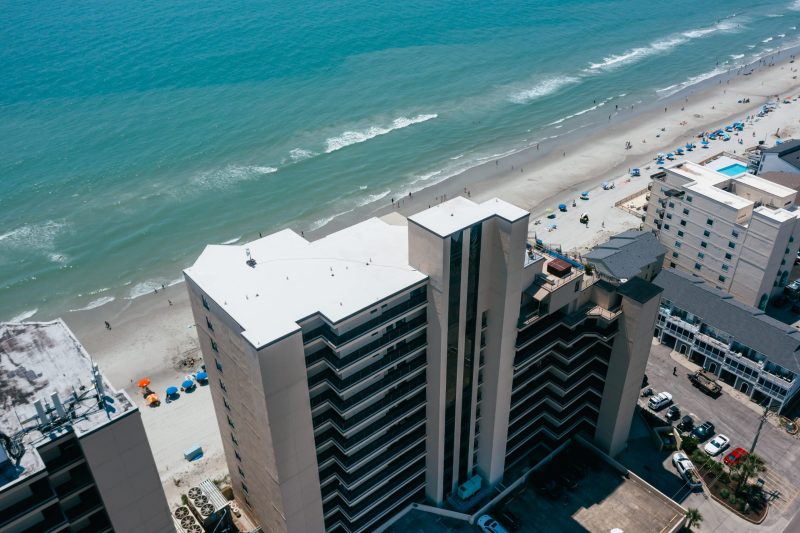
6 Things to Know Before Installing a Low Slope Roof
Installing a low slope commercial roof comes down to getting six things right: the slope itself, the membrane material, the layers beneath it, the…
 Industry Insights
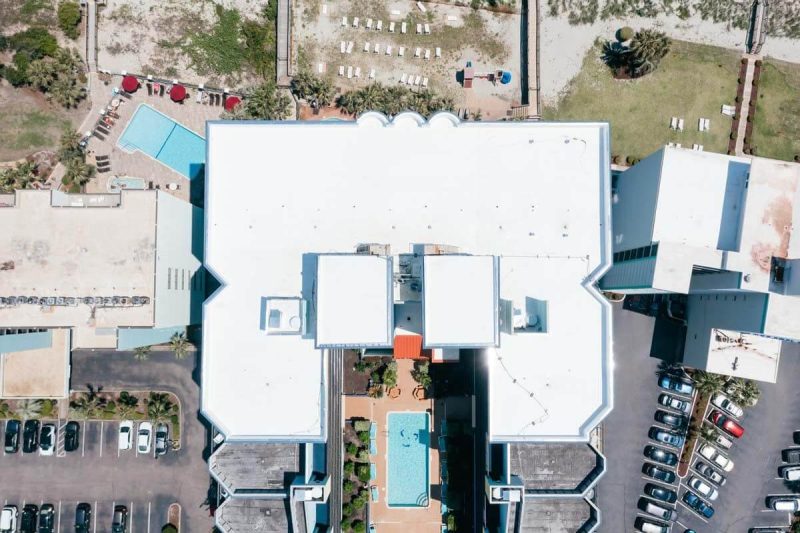
What Is TPO Roofing? A Guide for Building Owners
TPO, short for thermoplastic polyolefin, is a single-ply roofing membrane used on low slope and flat commercial roofs. It is known for three things:…