How to Decide Which Roof Membrane Is Best for Your Commercial Building
Choosing the right roofing membrane is one of the most important decisions you’ll make for your building’s long-term performance. That’s for a simple reason: a strong membrane for roofing can improve energy efficiency and reduce the frequency of repairs, saving your business thousands of dollars in the long term. To that end, in this guide, we’ll break down the most common membrane options and help you decide which is best for your property.
Table of Contents
Quick Answer: The Best Roof Membrane Depends on Your Needs
When deciding which roof membrane is right for you, consider factors such as budget, climate, and property use. Keep the following in mind:
If you prioritize affordability and energy efficiency, choose TPO roofing.
PVC is best for buildings exposed to chemicals and grease.
For performance in cold climates, rubber EPDM roofing is your safest bet.
Consider built-up roofing (BUR) or modified bitumen for impact resistance and layered protection.
Looking for Commercial Roof Membrane Services?
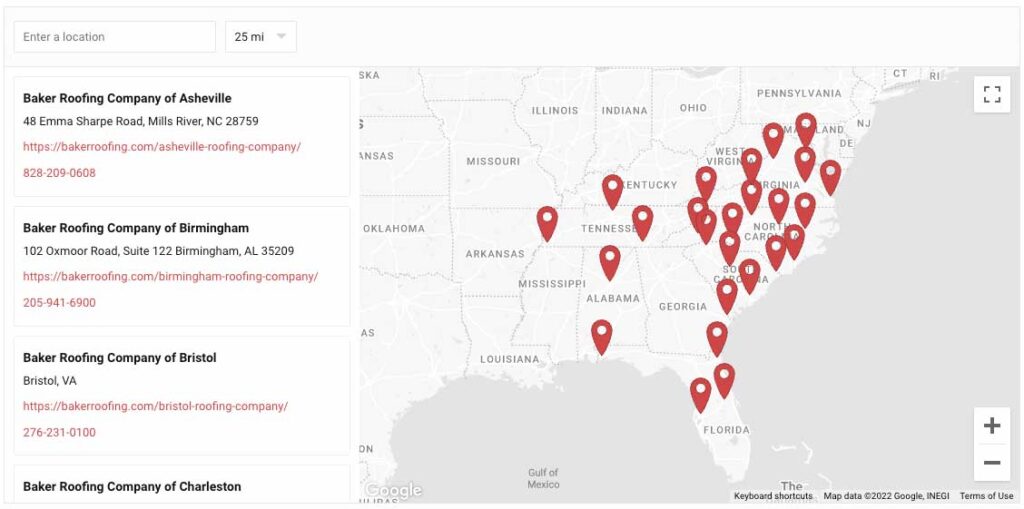
Explore Baker’s commercial roofing services throughout the Southeast, from BUR to single ply to modified bitumen and more!
A roof membrane is the upper layer of your roofing system, laid on top of your roof deck (the main structure holding up the rest of the roof) and insulation (which keeps heat from entering or leaving your building). It’s usually meant to provide extra protection, either against leaks, UV radiation, or debris like fallen branches and hail.
In so doing, it keeps your roof’s maintenance costs low while lessening the degree to which you have to run your HVAC system, saving you money in both cases. That’s why choosing the right roof membrane is so important; without a membrane suited for your building, you may face thousands of dollars’ worth of repair costs as soon as a few years after installation.
Types of Membranes
To get a better understanding of these crucial commercial roofing materials, let’s look at the basics of each variety:
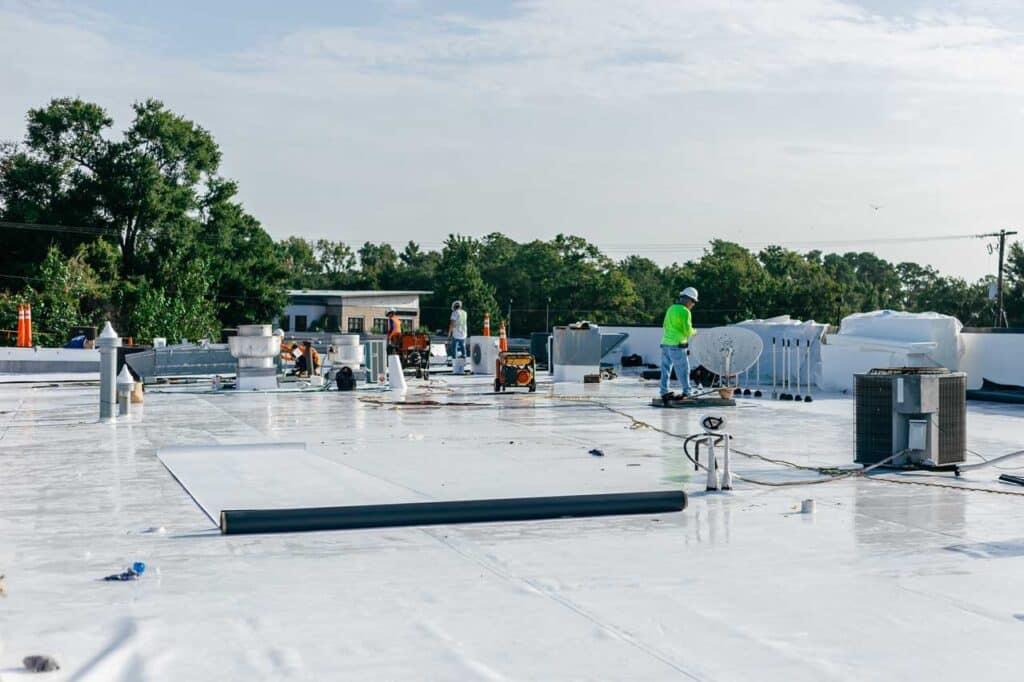
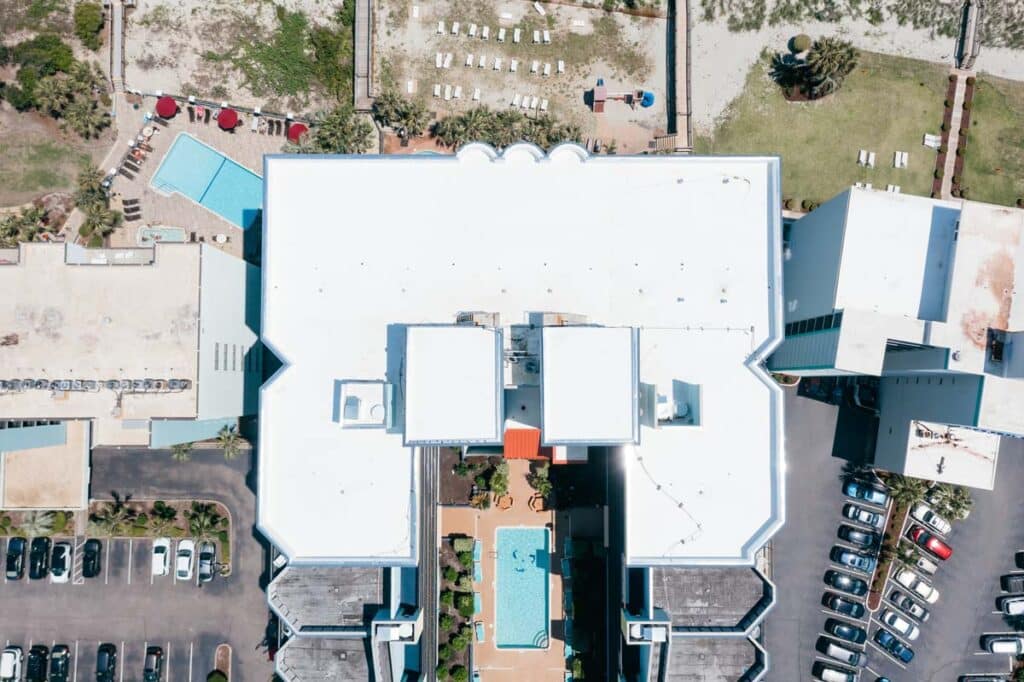
Thermoplastic Polyolefin (TPO): A single-ply thermoplastic membrane with heat-welded seams, TPO for roofing is known for its bright white reflective surface and strong waterproof seal. It tends to be one of the most affordable membranes on the market, making it perfect for cost-conscious buyers who don’t need a luxury option. Plus, with its impressive UV resistance, it performs exceptionally on buildings in particularly sunny areas, lasting on average between 20 and 30 years.
Polyvinyl Chloride (PVC): Another heat-welded thermoplastic membrane, a PVC single ply membrane roof is similar to its TPO counterpart but offers better chemical resistance. Because of that, it’s commonly used on restaurants and manufacturing to prevent oil- or chemical-related degradation. Because of that, however, it tends to be more expensive that TPO.
Ethylene Propylene Diene Monomer (EPDM) Roofing: EPDM roofing installation is popular for its durability and weather resistance even in cold areas. Lasting up to 30 years, it is easy to install and sports remarkable resistance against the elements, including hail and rain. And, because it has fewer seams, rubber EPDM roofing material is especially resilient against leaks. It’s the perfect jack-of-all-trades option, especially if you’re able to pay slightly more than you would for a TPO roof.
Built-Up Roofing (BUR): A BUR roofing system consists of multiples plies of felt embedded in asphalt or bitumen, creating several layers of protection for your roof. This system sports excellent waterproofing and a long lifespan of up to 30 years, but it requires a heavy and somewhat dangerous installation process, lending it a higher price tag. For the same reason, built-up roofing repair can also be challenging.
Modified Bitumen: As an evolution of the BUR system, this membrane offers redundant layers of protection but with more accessible installation practices, including torch-down, cold process, and mechanical attachment. However, like BUR, this membrane is heavier than its single-ply counterparts and, as a consequence, roofing modified bitumen can be difficult, especially when it comes to repairs.
For a better clearer comparison between all these different membranes, see the table below:
Large sheets reduce seams, flexible in cold weather
Black EPDM retains heat, adhesives can degrade over time
BUR
$$$
20–30 years
Multiple plies for durability, excellent waterproof roofs
Heavy, labor-intensive, longer installation time
Modified Bitumen
$
15–25 years
Affordable, some models have UV-resistant granule cap sheets
Torch application poses fire risk, heavier than single-ply
Choosing a roof membrane is a very personal process (at least by roofing standards), because each property’s needs are different. When deciding, consider factors like your budget, climate, and building use.
For example, restaurants may benefit from PVC’s chemical resistance, while warehouses might choose TPO to be as cost-efficient as possible. The steps you should follow throughout the decision process are below.
How to Choose the Best Roof Membrane for a Commercial Building
Maximum redundancy → Built-up roofing or modified bitumen
Step 2: Choose the Attachment Method
The attachment method is how your membrane is installed onto the rest of the roofing system. Here’s what you need to know:
Fully adhered systems are expensive but resilient, making them best for high-wind areas where repair costs down the road could outweigh the membrane’s higher price tag.
Mechanically attached membranes are a cost-effective option, but each mechanical fastener can become an entry point for leaks and thermal bridging if not installed properly.
Ballasted systems offer speedy installment but are more expensive.
Step 3: Get a Professional Inspection
A thorough inspection by a certified commercial roofing contractor (like Baker Roofing) ensures your existing roof system can support the new roof assembly without hidden problems. After all, while you’re fairly well-versed in roof membranes after reading this article, a roofing expert will be best prepared to ensure your chosen membrane works best for your building. It’s never a bad idea to have an extra set of eyes!
Step 4: Install Your Membrane
Contact a manufacturer-authorized roofing contractor, likely the same one you used for your inspection, to purchase and install the membrane. During the membrane application process, check with the crew to ensure they address drainage and flashing details so your new membrane contributes to a watertight and code-compliant system. Document the process with photos and keep copies of warranties, inspection reports, and maintenance guidelines, just in case anything goes wrong.
Frequently Asked Questions (FAQs)
Is TPO better than PVC?
TPO is more cost-effective and energy efficient, while PVC is better for chemical resistance.
How long does a single-ply membrane roof last?
Typically 20–30 years, but depending on installation quality and climate, some EPDM membranes can last up to 40 years.
Can I install a roofing membrane over an existing roof?
Sometimes, but only after inspection confirms the deck and insulation are sound.
What’s the difference between BUR and modified bitumen roofing?
BUR uses multiple layers of felt and asphalt, while modified bitumen uses reinforced sheets with polymer modifiers for easier installation and enhanced performance.
Final Thoughts
With all that in mind, a roof membrane is a long-term investment in your building’s structural health—and in your finances, assuming you want to avoid lengthy repairs and unnecessary heating and cooling costs.
So, whether you choose a thermoplastic polyolefin roofing membrane, PVC roofing, ethylene propylene diene monomer roofing, modified bitumen roofing, or even a built-up roofing repair for an existing BUR system, it’s crucial that you choose the membrane that fits your building’s unique needs.
Do You Need a Commercial Roof Membrane Contractor?
When you decide on a membrane, or if you still need help deciding which type is best for you, contact Baker Roofing Company. For over 110 years and all across the Southeast, we have delivered high-quality commercial roofing services in line with our motto of “Always Good Work.” Continue browsing or request a free quote below to start on your commercial roof installation journey!