
 BACK TO BLOG
 When Should You Replace a Commercial Roof?
You should replace a commercial roof when repairs become frequent or the system nears the end of its expected 20-to-30-year lifespan. Recurring leaks, widespread surface deterioration, poor drainage, and repair costs that climb year over year all signal that replacement has become more cost-effective than continued patching.
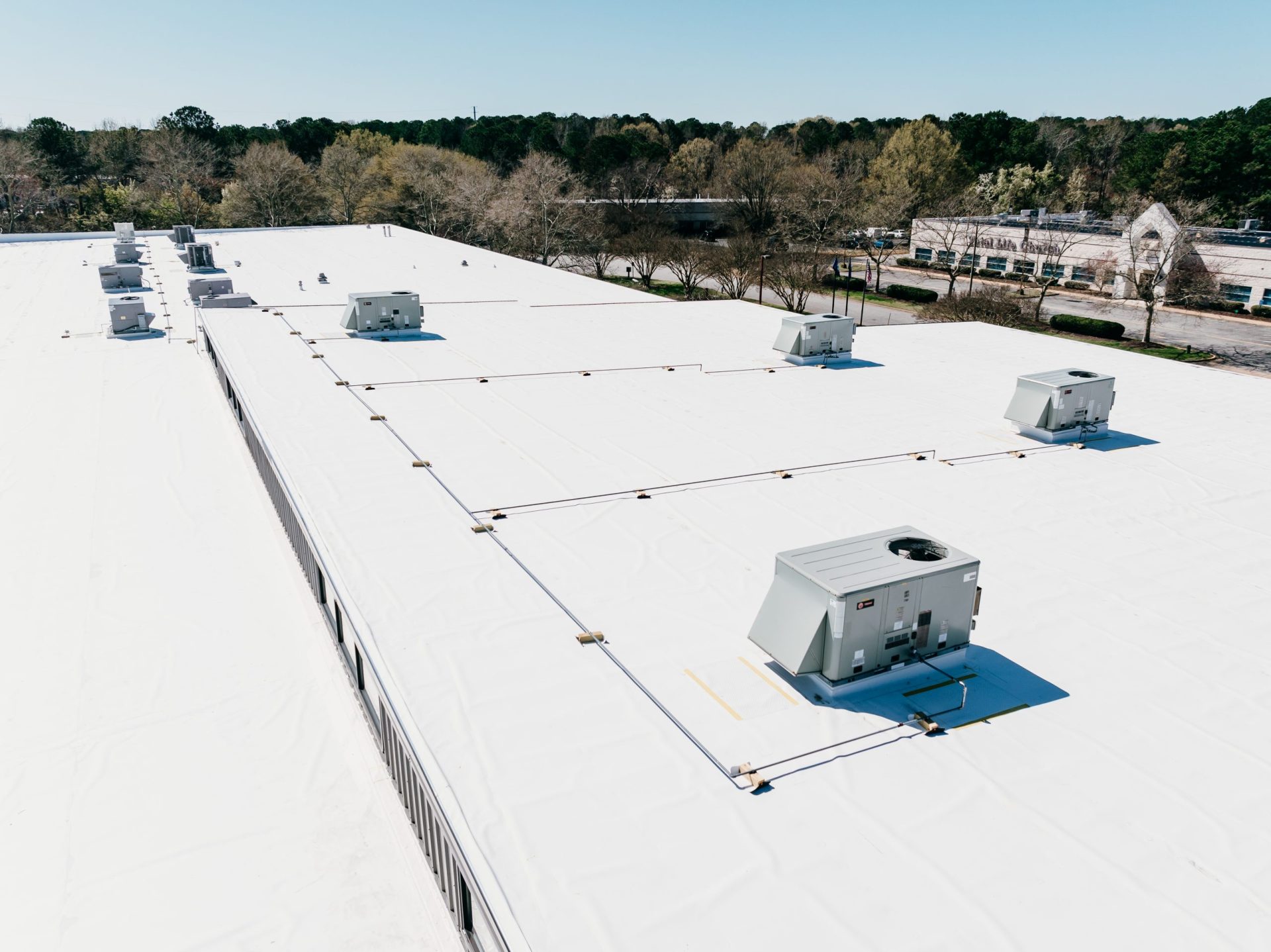
Replacing a commercial roof is one of the most expensive decisions a building owner or facilities manager will face, which is exactly why it deserves better than guesswork. Too many projects begin only after leaks disrupt operations and emergency repairs stop working. This guide covers the warning signs, the planning decisions, and the cost factors that let you move forward on your schedule instead of a leak’s.
What Are the Warning Signs That a Commercial Roof Needs Replacement?
Most commercial roofs do not fail overnight. They degrade slowly, which means there is no single moment when replacement obviously becomes the smarter investment. The clearest way through that ambiguity is knowing what different failure patterns mean:
- Persistent or recurring leaks. Leaks that return after repeated repairs often indicate system-wide failure, especially on aging flat roofs where moisture has become trapped beneath the membrane or insulation.
- A roof older than 20 years. Most commercial systems are designed to last 20 to 30 years depending on materials and climate. As a roof approaches the end of that range, repair effectiveness drops quickly.
- Widespread surface deterioration. Cracking membranes, open seams, deteriorated flashing, and exposed insulation visible across the roof point to material fatigue, not isolated damage.
- Escalating repair costs. When repair spending rises year over year, the long-term total often exceeds the cost of a planned replacement.
At that stage, continuing to repair delays the inevitable while increasing risk. This quick comparison shows where the line falls:
| Condition | Repair Still Makes Sense | Replacement Likely Needed |
|---|---|---|
| Occasional isolated leaks | ✓ | |
| Recurring leaks in multiple areas | ✓ | |
| Roof under 20 years old | ✓ | |
| Roof near end of service life | ✓ | |
| Repair costs rising annually | ✓ |
For a deeper look at how membrane condition and warranty status shape this call, see our guide on whether to repair or replace your commercial roof.
What Should You Evaluate Before Committing to Replacement?
Replacement is a major investment, so confirm it is the right one before you commit. Three factors deserve a hard look:
- Drainage performance. Ponding water dramatically shortens the lifespan of the roof areas it affects. If your roof has chronic drainage problems, replacement is often the better fix, because a new roof can rebuild the slope and drainage design properly rather than treating symptoms.
- Energy and efficiency goals. Replacement is the natural moment to upgrade insulation or move to reflective materials that cut cooling costs. Capturing those gains during a planned replacement costs far less than retrofitting them later.
- Building use and operational demands. Different facilities put very different demands on a roof, and the replacement system should match how the building actually works:
| Building Type | Primary Roofing Demands |
|---|---|
| Warehouse | Load capacity, drainage, durability |
| Manufacturing | Equipment loads, safety, longevity |
| Healthcare | Leak sensitivity, infection control |
| Office | Energy efficiency, minimal disruption |
How Should You Plan a Commercial Roof Replacement?
A well-planned replacement prioritizes predictability. Align scope and budget before work begins by settling four things:
- Tear-off or overlay. Not every project requires full removal. Some flat roofs can accept an overlay if there is no significant moisture trapped in the existing assembly and the structure can carry the added weight. Where hidden damage or wet insulation exists, a full tear-off is the only honest option, and moisture scanning during the inspection is how you find out which situation you have.
- The right system for the building. Single-ply membranes, modified bitumen, and metal systems each serve different purposes. Choose based on building function, climate, rooftop foot traffic, and how long you plan to own the property. Our guide to commercial roof membrane types] walks through the options.
- Coordination around an occupied building. For active facilities, the plan should protect the people working below and minimize disruption to operations, with sequencing, safety controls, and communication settled before the first crew arrives. This matters most in industrial and mission-critical environments, where a distraction can become a danger.
- The maintenance plan that follows. A new roof performs best paired with a long-term maintenance program built around two inspections a year. Replacement is not the end of the roof lifecycle. It is the beginning of the next one.
How Much Does It Cost to Replace a Commercial Roof?
It is the most common question owners ask, and the honest answer is that it depends on roof size and complexity, the system being installed, how much tear-off is required, insulation and drainage upgrades, and local labor and code requirements.
As a general industry range, flat membrane replacements often fall between $8 and $15 per square foot, with premium systems and complex installations exceeding that. Here is how the common systems compare in relative cost:
| Roof System Type | Relative Cost Tier |
|---|---|
| TPO (thermoplastic polyolefin) | $$ |
| EPDM (rubber membrane) | $$ |
| PVC (polyvinyl chloride) | $$$ |
| Modified bitumen | $$$ |
| Built-up roofing (BUR) | $$$$ |
| Standing seam metal | $$$$$ |
| Exposed fastener metal | $$$ |
Treat these as orientation, not a quote. The only accurate number comes from a detailed inspection of your specific roof by a licensed contractor, because two buildings of identical size can carry very different replacement costs once deck condition, moisture, and code requirements enter the picture.
What Should You Expect From the Contractor?
When you replace a commercial roof, the contractor’s process matters as much as the materials. A reliable partner provides:
- Documented inspections, with photos and findings you can share with insurers, lenders, or stakeholders.
- Evidence-based recommendations that prevent unnecessary work, including telling you when replacement is not needed yet.
- Transparent pricing, so you understand costs and timeline before anything is signed.
- Guidance on warranties, codes, and maintenance planning, because a worthwhile contractor is an expert in all three.
Replacing a commercial roof should feel methodical and informed from the first walk-through to the final inspection. A contractor who cannot give you that clarity is telling you something about how the project will go.
Key Takeaways
- Replace when problems are systemic: recurring leaks, widespread deterioration, a roof past 20 years, or repair costs rising annually.
- Confirm before committing: drainage, efficiency goals, and how your building is actually used should all shape the decision.
- Plan the four big choices early: tear-off vs. overlay, system selection, occupied-building coordination, and the maintenance plan that follows.
- Budget with a general range, then get a real number from a detailed inspection of your specific roof.
- Judge the contractor by their process: documentation, honest recommendations, and transparent pricing.
Let’s Take the Guesswork Out of It
Replacing a commercial roof does not have to mean rushed decisions or unwelcome surprises. For more than 110 years, Baker Roofing Company has guided building owners across the Southeast and Mid-Atlantic through exactly this process, with employee-owner crews who self-perform the work and document every step. We will assess your roof honestly, tell you whether replacement is truly necessary, and give you a clear plan with pricing you can trust.
Schedule a commercial roof evaluation with your nearest Baker Roofing team, and let’s build a replacement plan that fits your building, your budget, and your timeline.
Related Insights
 Roofing Insights
Why Every Brick Wall Needs Weep Holes and Through-Wall Flashing

Moisture is your building’s silent enemy. When rainwater infiltrates your brickwork or condensation gets trapped behind a window, you risk mold and mildew growth,…
 Roofing Insights
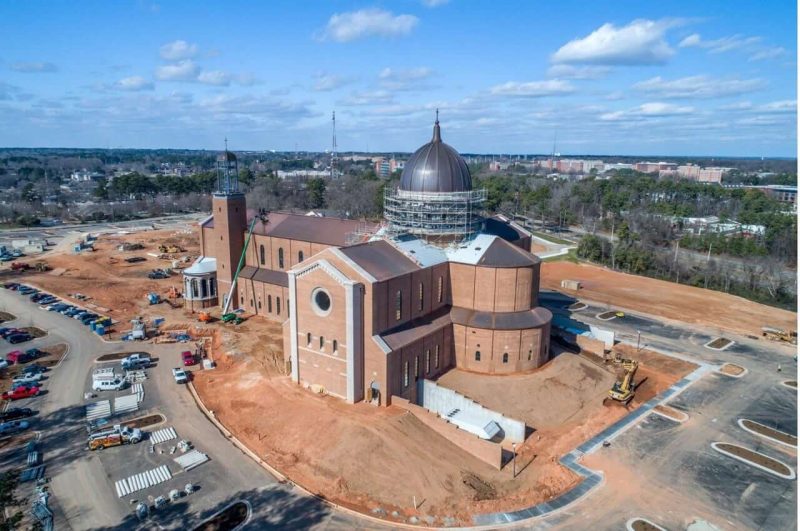
How Was the Copper Dome on Raleigh’s Holy Name of Jesus Cathedral Built?
The copper dome and roof on the Holy Name of Jesus Cathedral in West Raleigh were fabricated and installed by our crews, then the…
 Roofing Systems
Roof Coping: Everything You Need to Know
If your property has a flat roof (or even certain forms of sloped roof), a parapet wall probably sits atop it. Parapet walls are the short…