
 BACK TO BLOG
 Commercial Roof: Repair or Replace? Key Signs to Know
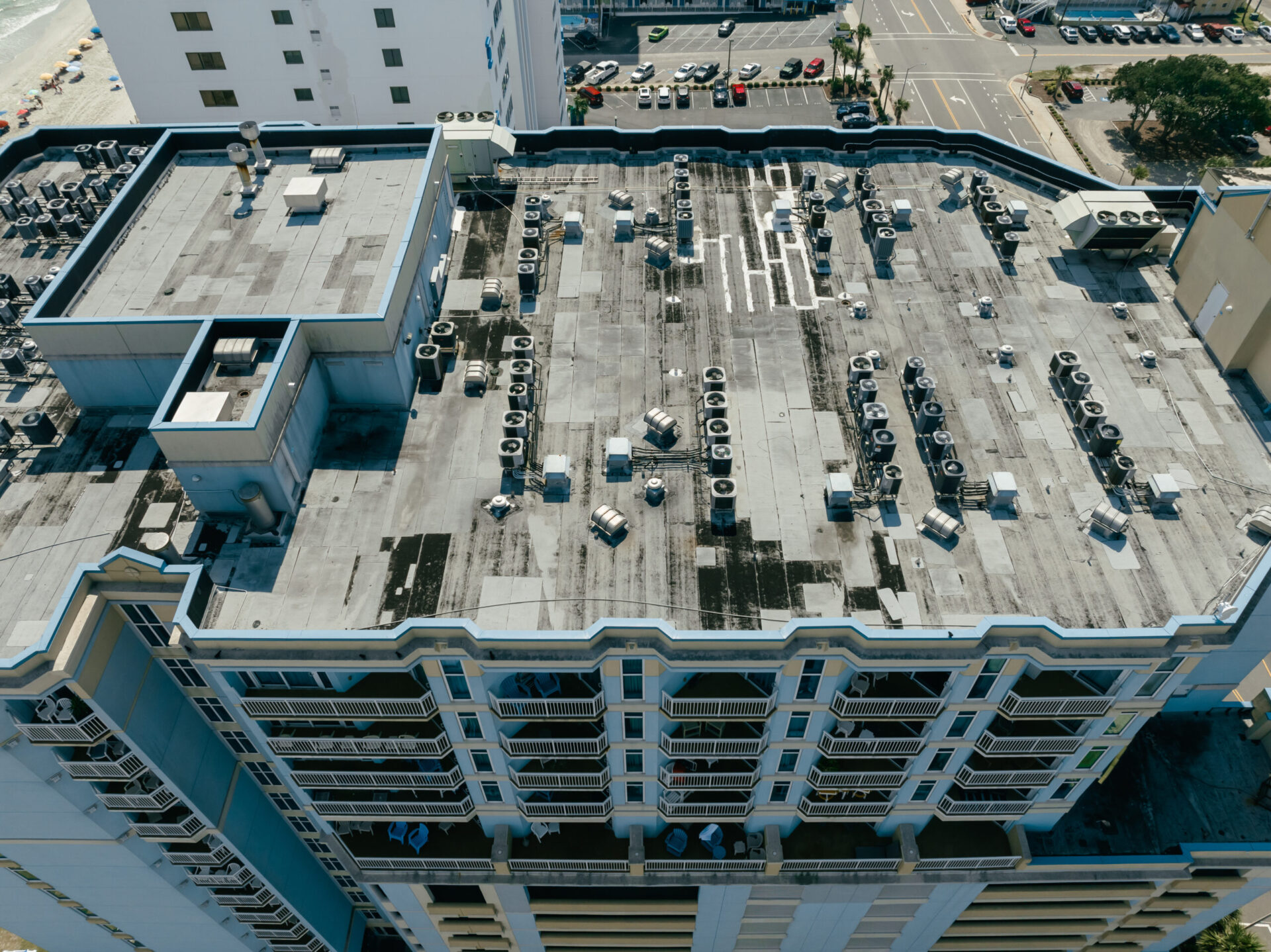
Whether your commercial roof needs repair or replacement generally comes down to three things: the roof’s age relative to its expected lifespan, how widespread the damage is, and whether problems are isolated or recurring across the roof. An isolated issue on a roof still within its expected service life usually points to repair. Recurring problems on an aging roof, or damage that has spread beneath the surface, usually points to replacement.
Neither answer is something to guess at from the ground. But knowing the signals ahead of an inspection helps you ask better questions and understand the recommendation you receive.
How Does Roof Age Factor Into the Decision?
Most low-slope commercial roofing systems are designed for a service life of roughly 15 to 30 years, depending on the material. Where your roof falls in that range shapes what makes sense.
- Early in expected life: repair is almost always the right call for isolated issues, since the underlying system still has years of performance ahead of it.
- Past the midpoint: repairs are still often appropriate, but it becomes worth tracking whether they are isolated events or a pattern.
- Near or past expected life: even a straightforward-looking repair may be treated differently, since fixing one area on an aging roof does not address wear happening elsewhere that has not surfaced yet.
Age alone does not decide the answer, but it changes how much weight to give the other signs.
Is the Damage Isolated or Widespread?
A single, well-defined issue reads very differently than damage appearing in multiple places.
- Isolated damage, like one seam failure or a single punctured area, is a strong sign that a targeted repair will resolve the problem.
- Damage in multiple, unrelated areas suggests the roofing system itself may be reaching the end of its effective life, even if each individual spot looks minor.
- Damage that keeps returning to the same area after a repair often means the fix addressed a symptom, not the underlying cause, which is worth investigating further before repairing the same spot again.
This is one of the clearest reasons a roof’s inspection history matters. A pattern only becomes visible when someone is tracking it over time.
What Do Inspection Findings Actually Tell You?
A thorough inspection looks past the visible symptom to the roof’s underlying condition.
- Wet insulation found during an inspection often signals that water has been entering longer than the visible symptoms suggested, which can shift the recommendation toward a larger repair or replacement of that section.
- Membrane that has become brittle or is losing its flexibility is a sign of material breaking down broadly, not just at one point.
- Deck condition matters too. If moisture has reached the structural deck itself, that changes the scope of what needs to happen, regardless of how the roof looks from above.
This is why an accurate answer to “repair or replace” almost always requires someone getting on the roof, not just reviewing photos or a description of a leak.
When Does Repair Stop Making Financial Sense?
At a certain point, the cost of repeated repairs starts to rival the cost of replacement, without delivering the same long-term value. A few signals worth watching:
- Repair costs climbing over successive visits, even for what seem like separate issues.
- A roof requiring repairs in multiple areas within the same year or two.
- An aging roof where a single large repair would address only part of a broader problem.
At that stage, comparing the cost of continued repairs against a full replacement, with its own extended warranty and predictable performance, is worth doing directly rather than deferring the decision repair by repair.


Key Takeaways
- Roof age, the extent of the damage, and inspection findings together point toward repair or replacement.
- Isolated damage on a roof within its expected lifespan usually calls for a targeted repair.
- Recurring damage, wet insulation, or brittle membrane are signs the roof’s condition may be more widespread than it looks.
- Repair costs that climb over time or affect multiple areas are a signal to compare against replacement.
- An in-person inspection is the only reliable way to know which side of the decision your roof is on.
A Straight Answer, Not a Sales Pitch Either Way
We have been doing good work since 1915, and that means giving you an honest recommendation, whether that is a repair or a replacement, based on what your roof actually needs. As a 100% employee-owned company, our team has no incentive to recommend more work than necessary. We are personally invested in your trust lasting well beyond a single project.
We self-perform inspections, repairs, and replacements across [service area / states], so the same team assessing your roof today can support it through whichever path makes sense.
If you are not sure which side of this decision your roof is on, let’s take a look and give you a clear answer.
Related Insights
 Roofing Insights
Why Every Brick Wall Needs Weep Holes and Through-Wall Flashing

Moisture is your building’s silent enemy. When rainwater infiltrates your brickwork or condensation gets trapped behind a window, you risk mold and mildew growth,…
 Roofing Insights
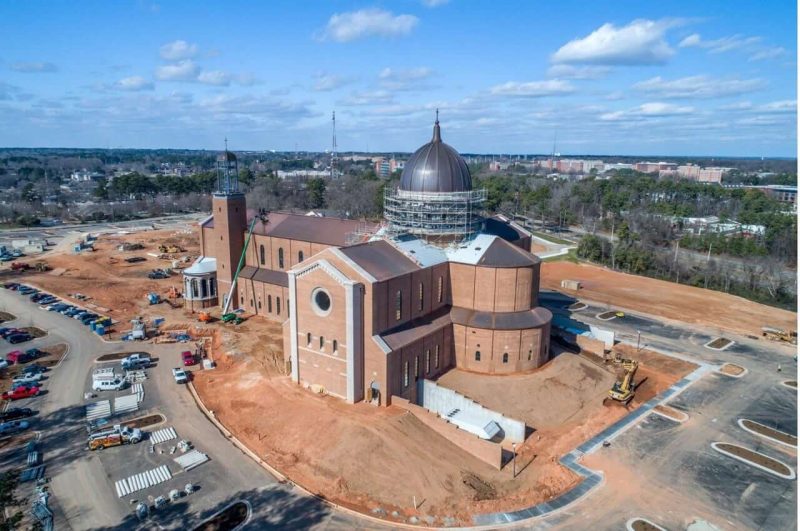
How Was the Copper Dome on Raleigh’s Holy Name of Jesus Cathedral Built?
The copper dome and roof on the Holy Name of Jesus Cathedral in West Raleigh were fabricated and installed by our crews, then the…
 Roofing Systems
Roof Coping: Everything You Need to Know
If your property has a flat roof (or even certain forms of sloped roof), a parapet wall probably sits atop it. Parapet walls are the short…