

 BACK TO BLOG
What Is Roof Flashing? Types, Materials, and Repairs
What Is Roof Flashing? Types, Materials, and Repairs
Roof flashing is the material that seals the joints and transitions on a roof, such as where the roof meets a wall, an HVAC curb, a pipe, or the roof edge. It directs water away from those seams so it cannot get into the building. Because these transitions are where most roof leaks begin, flashing is one of the most important parts of any commercial roof.
Our crews install and repair flashing on commercial roofs every day. Here is what building owners and facilities managers should know about it.
A Quick Note on Terms
Flashing is sometimes called roof flashing, metal flashing, or membrane flashing, depending on the material. On commercial roofs, you will also hear specific names like base flashing, counterflashing, edge metal, and pipe boots. Coping, the cap on top of a parapet wall, works alongside flashing but is a separate component.
What Are the Main Types of Commercial Roof Flashing?
The main types of commercial roof flashing are base flashing, counterflashing, edge flashing, penetration flashing, and curb flashing. Each protects a different kind of joint.
- Base flashing runs up the base of a wall or curb from the roof surface, usually made from the same membrane as the roof.
- Counterflashing covers the top edge of the base flashing, often in metal, so water cannot run behind it.
- Edge flashing, also called edge metal or drip edge, finishes the roof perimeter and directs water off the roof.
- Penetration flashing seals pipes, vents, and conduit that pass through the roof, using pipe boots, sleeves, or pitch pans.
- Curb flashing wraps the raised frames that support HVAC units, skylights, and roof hatches.
What Materials Is Roof Flashing Made From?
Roof flashing is most often made from sheet metal or from the same membrane used on the roof itself.
| Material | Where it is common | Strengths | Watch for |
|---|---|---|---|
| Roof membrane (TPO, EPDM, modified bitumen) | Base flashing and penetrations | Bonds directly to the roof system | Seam and adhesion failure over time |
| Galvanized or coated steel | Edge metal, counterflashing | Strong and cost-effective | Rust if the coating is damaged |
| Aluminum | Edge metal, counterflashing | Lightweight and corrosion-resistant | Can dent; not compatible with some metals |
| Stainless steel | Coastal and high-corrosion areas | Very durable and corrosion-resistant | Higher material cost |
| Copper | Historic and architectural buildings | Long-lasting with a distinctive look | Highest cost; can stain adjacent surfaces |
Why Does Roof Flashing Fail?
Roof flashing usually fails because of movement, age, or installation problems. Roofs expand and contract with temperature changes, which stresses flashing joints over time. Sealants dry out and crack, fasteners loosen, and metal can rust or pull away. Flashing installed too short, without proper overlap, or without counterflashing is especially likely to leak.
What Are the Signs of Flashing Damage?
The clearest signs of flashing damage are leaks near walls, curbs, or penetrations, along with visible gaps or loose metal. Other warning signs include:
- Cracked or missing sealant at the top of the flashing
- Base flashing pulling away from walls or wrinkling
- Rust, holes, or bent metal on counterflashing and edge metal
- Interior stains near exterior walls or rooftop units
Can Roof Flashing Be Repaired, or Does It Need Replacing?
Roof flashing can often be repaired when the damage is limited to a small section or to failed sealant. Flashing that is widely deteriorated, rusted through, or improperly installed usually needs to be replaced in that area. A trained roofer will also check whether the damage has let water into the insulation below.
Key Takeaways
- Roof flashing seals the joints where a roof meets walls, curbs, pipes, and edges.
- The main types are base flashing, counterflashing, edge flashing, penetration flashing, and curb flashing.
- Common materials include roof membrane, galvanized steel, aluminum, stainless steel, and copper.
- Flashing fails mainly from thermal movement, aging sealant, and installation shortcuts.
- Regular inspections catch flashing problems before they turn into interior leaks.
Frequently Asked Questions
What is the difference between flashing and coping? Flashing seals joints and transitions on the roof, while coping is a cap that covers the top of a parapet wall. Both keep water out, and they often work together.
How long does roof flashing last? Roof flashing often lasts as long as the roof itself when properly installed, but sealants and exposed joints may need attention every few years.
What is counterflashing? Counterflashing is a piece of flashing, usually metal, installed over the top of base flashing to keep water from running behind it.
Is flashing the most common cause of roof leaks? Flashing failures are among the most common causes of commercial roof leaks, because transitions and penetrations are the roof’s most vulnerable points.
Details Matter. So Do the People Who Handle Them.
Flashing is a small part of your roof that does a big job, and it only works when it is installed and maintained with care. Every flashing detail we install is handled by our own trained crews and checked through our quality assurance process.
As a 100% employee-owned company, we stand behind the details because we own the results. Let’s take a look at your roof and make sure every joint is protected.
Related Insights
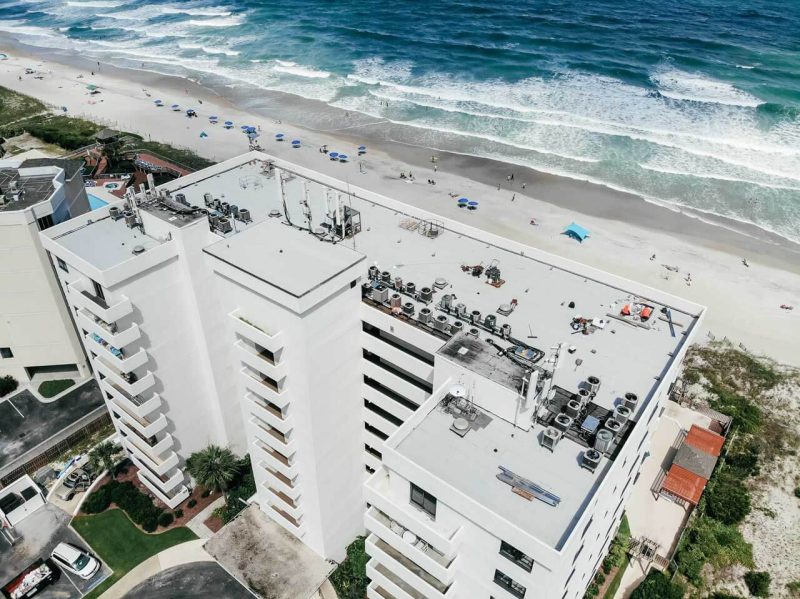 Roofing Systems
Roof Coping: Everything You Need to Know

If your property has a flat roof (or even certain forms of sloped roof), a parapet wall probably sits atop it. Parapet walls are the short…
 Roofing Insights
Metal Roof Decking: What It Is and How to Choose It
Metal roof decking is the corrugated, ribbed steel panel system installed as the structural base beneath a commercial roof system. The deck carries the…
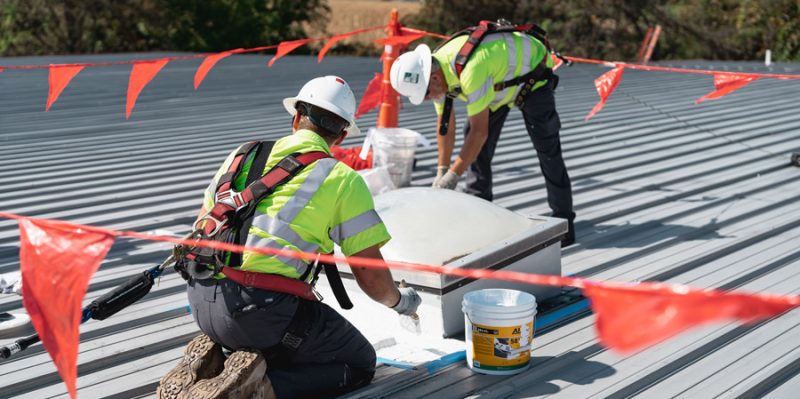 Industry Insights
Flat Roof Skylights: A Design and Maintenance Guide
A flat roof skylight is a roof window designed to bring natural light into buildings with flat or low slope roofing systems. Installed either…