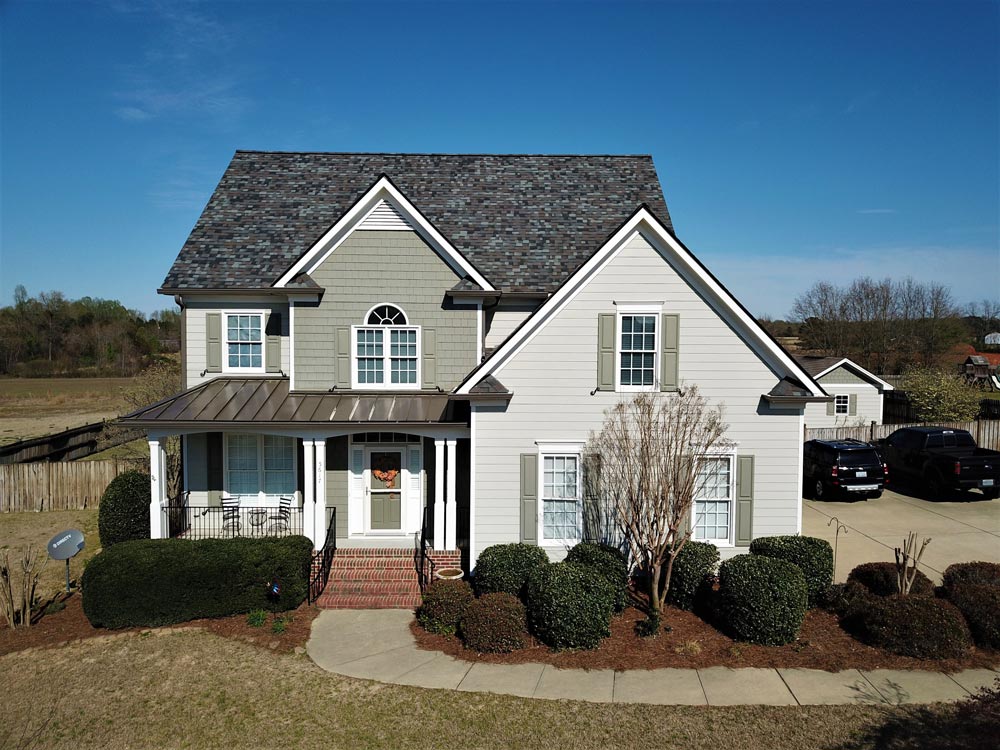
As 2023 comes to a close, it’s time to start making New Year’s resolutions – and what better goal is there than to improve your roof in 2024? Alright, fine, there are probably some better ideas, but we’re a roofing company, so as much as we love our customers, we don’t care too much about whether you actually use the gym membership your mom bought you for Christmas.
A new roof is the gift that keeps on giving, protecting your home or business from the elements while boosting its market value in case you ever decide to sell it – to put it simply, it’s an investment in your future, and because of that, it’s a worthwhile priority for the new year. But, how do you maximize what you’re getting out of your roof? To answer that question, we compiled a list of the top ten most likely trends in roofing for 2024, all so you can get ahead of the curve on creating the perfect home or business.
10. Foam Insulation Panels
Starting our list of roof trends, panels with foam insulation are gaining traction in the roofing industry. These panels offer top-notch insulation, a below-average weight, and excellent waterproofing, all while sitting beneath your shingles (read: they won’t ruin your roof’s aesthetic appeal). They’re especially beneficial in climates with extreme temperatures, keeping your interior comfortable no matter the weather. This will help you save big on your energy bill while allowing you to live and work in comfort.
9. Brighter Colors
Gone are the days of standard black or grey shingles. In recent years, we’ve seen a trend toward brighter, more vibrant roof colors that give your home or business a unique sense of character. Of course, these bold choices – bright blue, light red, and beyond – not only make your property stand out from your those around you but also reflect more sunlight, further contributing to energy savings.
8. Self-Healing Materials
With that said, 2024 will also bring with it a slew of new technological innovations in roofing, and self-healing materials sit at the top of that list. These innovative materials use solar heat to repair small cracks and damages on their own, prolonging your roof’s lifespan while helping you save money on maintenance. Plus, given that climate trends suggest that hail will pose more of a danger to your roof in coming years, self-healing materials may be a timely investment that will save you from costly future repairs.
7. Synthetic and Recycled Roofing Materials
In 2024, sustainability will be a key driver in roofing trends, and synthetic and recycled materials will become a hot commodity as a consequence. With cheaper and more environmentally-conscious manufacturing processes, these materials are not only eco-friendly but also durable and cost-effective, making them the perfect choice for property owners who want to protect the environment without compromising on quality and affordability.
6. Green Roofing
If you have a flat roof, you’ve no doubt heard about green roofs. By covering your roof in vegetation, this system allows you to enjoy a little piece of nature that’s safe from that neighbor who forgets to bring waste bags whenever they walk their dog. Plus, green roofs offer excellent insulation, improve air quality, and even reduce rainwater runoff by up to 65%, all while giving you extra outdoor space. Because of this, as green space becomes rarer and rarer, 2024 is the perfect time to invest in a green roof.
5. Metal Roofing
Metal roofing is hardly a new addition to the trends list, and that’s for good reason – with impressive durability, lasting longevity, and unparalleled energy efficiency, metal roofs are a quality choice that could save you up to 40% on your energy bill. Because of that, though they’re a bit more expensive than an asphalt roof up front, metal roofs have the potential to pay for themselves in energy savings over the years. And that doesn’t even consider the versatility of design and color they offer compared to other types of roofs, allowing you to create a cost effective and durable roof that doesn’t compromise on top-notch aesthetics.
4. Cool Roofing
Manufactured with reflective colors and materials, cool roofing is designed to reflect more sunlight and absorb less heat as temperatures continue to rise in the coming years. This trend is especially important in warmer climates, where it can significantly reduce air conditioning costs while making your indoor living and working spaces much more comfortable.
3. Resilient Roofing and Impact Resistance
As extreme inclement weather becomes more and more frequent, the demand for resilient roofing materials is beginning to skyrocket, and prices will likely adjust accordingly in the coming years. Because of that, 2024 is the perfect time to get the most bang for your buck when purchasing a resilient roof. Designed to withstand severe weather conditions like high winds, hail, and heavy rain, resilient roofing materials are the perfect way to protect your property over from all Mother Nature has to throw at it, especially if you live in storm-prone areas along the coast (we’re looking at you, North Carolina).
Of course, one of the best ways to evaluate your roof’s resilience is to check its impact resistance score, which we cover in this article.
2. Solar Roofing (And Not Just Panels)
Solar roofing – solar panel technology implemented into shingles – is the perfect way to combine energy efficiency with impressive aesthetics. By allowing your shingles themselves to generate renewable solar energy to power your home or business, this system can help you save big on your energy bill without ruining your property’s curb appeal, making this emerging technology the perfect option for cost-conscious and eco-friendly consumers.
1. Smart Roofing
Topping our list, smart roofs represent the pinnacle of roofing technology in 2024. These roofs are equipped with sensors that monitor the roof’s condition and exterior weather patterns, then use that knowledge to integrate with home automation systems and adjust ventilation as needed. As such, smart roofs not only allow you to live and work in comfort but also prevent humidity damage and lower your energy bill dramatically.